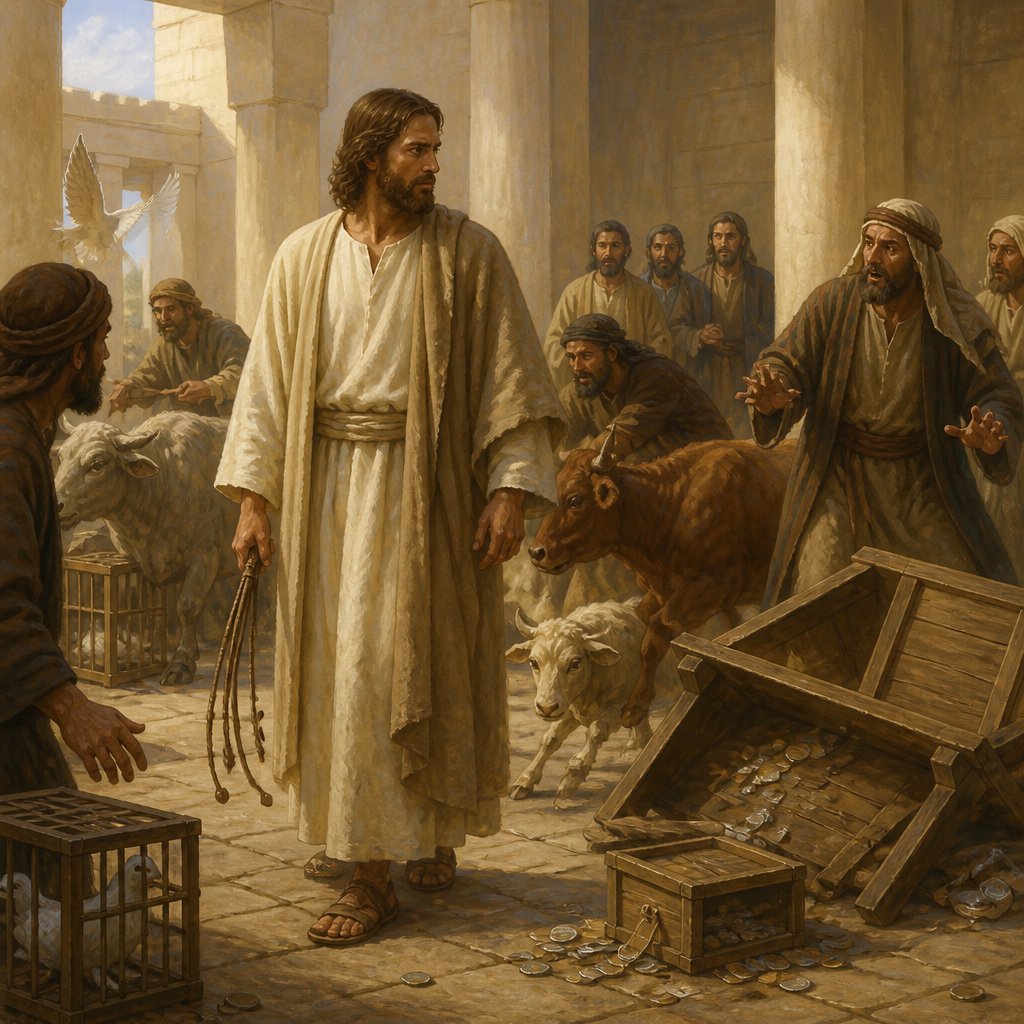
John 2:13-22 in the King James Version of the Bible reads, "And the Jews' passover was at hand, and Jesus went up to Jerusalem, and found in the temple those that sold oxen and sheep and doves, and the changers of money sitting: And when he had made a scourge of small cords, he drove them all out of the temple, and the sheep, and the oxen; and poured out the changers' money, and overthrew the tables; And said unto them that sold doves, Take these things hence; make not my Father's house an house of merchandise. And his disciples remembered that it was written, The zeal of thine house hath eaten me up. Then answered the Jews and said unto him, What sign shewest thou unto us, seeing that thou doest these things? Jesus answered and said unto them, Destroy this temple, and in three days I will raise it up. Then said the Jews, Forty and six years was this temple in building, and wilt thou rear it up in three days? But he spake of the temple of his body. When therefore he was risen from the dead, his disciples remembered that he had said this unto them; and they believed the scripture, and the word which Jesus had said."
This passage is a powerful and symbolic account of Jesus' cleansing of the temple in Jerusalem. It takes place during the time of the Jews' Passover, a holy festival that commemorates their liberation from slavery in Egypt. The setting is significant, as it symbolizes Jesus' role as the liberator and the fulfillment of the old covenant.
The passage begins with Jesus arriving in Jerusalem and finding merchants and money changers within the temple. These individuals were profiting from the worshipers who needed to purchase animals for sacrifices and exchange money for the temple tax. Jesus was deeply troubled by this desecration of the sacred space and proceeded to drive out the merchants, overturn their tables, and pour out their money.
This act of cleansing the temple is significant on multiple levels. First, it demonstrates Jesus' passion for the purity and sanctity of worship. He is clearly angered by the commercialization of religious practices and the exploitation of believers. By driving out the merchants, he is restoring the temple to its intended purpose as a house of prayer and worship.
Second, Jesus' actions serve as a prophetic sign of the coming judgment. Just as he physically cleansed the temple, he will also bring about a spiritual cleansing and restoration of the people. This foreshadows the ultimate sacrifice of Jesus on the cross, which will provide the means for humanity's reconciliation with God.
The exchange between Jesus and the Jews further highlights the significance of this event. When the Jews demand a sign of authority from Jesus, he responds cryptically, "Destroy this temple, and in three days I will raise it up." This statement perplexes them, as they interpret it literally in reference to the physical temple. However, Jesus is speaking metaphorically about his own body, which will be destroyed through his crucifixion and raised up through his resurrection after three days.
This interaction emphasizes the theme of Christ's divinity and the ultimate significance of his sacrifice. It also reveals the depth of misunderstanding and disbelief among the Jews, who fail to grasp the spiritual truths behind Jesus' words and actions.
The passage concludes with the disciples' reflection on these events after Jesus' resurrection. They finally understand the full meaning of his words and actions, and they come to believe in him as the fulfillment of Scripture and the spoken word of God.
In conclusion, John 2:13-22 is a rich and multi-layered passage that holds profound theological and symbolic significance. It depicts Jesus' passionate commitment to the purity of worship, his role as the ultimate sacrifice and liberator of humanity, and the fulfillment of prophecy through his death and resurrection. It serves as a powerful reminder of the importance of true reverence and devotion in our relationship with God and the transformative power of Christ's redemptive work.
Get our apps


Artwork for John 2:13-22

John 2:13-22 - "When it was almost time for the Jewish Passover, Jesus went up to Jerusalem. In the temple courts he found people selling cattle, sheep and doves, and others sitting at tables exchanging money. So he made a whip out of cords, and drove all from the temple courts, both sheep and cattle; he scattered the coins of the money changers and overturned their tables. To those who sold doves he said, “Get these out of here! Stop turning my Father’s house into a market!” His disciples remembered that it is written: “Zeal for your house will consume me.” The Jews then responded to him, “What sign can you show us to prove your authority to do all this?” Jesus answered them, “Destroy this temple, and I will raise it again in three days.” They replied, “It has taken forty-six years to build this temple, and you are going to raise it in three days?” But the temple he had spoken of was his body. After he was raised from the dead, his disciples recalled what he had said. Then they believed the scripture and the words that Jesus had spoken."
"When it was almost time for the Jewish Passover, Jesus went up to Jerusalem. In the temple courts he found people selling cattle, sheep and doves, and others sitting at tables exchanging money. So he made a whip out of cords, and drove all from the temple courts, both sheep and cattle; he scattered the coins of the money changers and overturned their tables. To those who sold doves he said, “Get these out of here! Stop turning my Father’s house into a market!” His disciples remembered that it is written: “Zeal for your house will consume me.” The Jews then responded to him, “What sign can you show us to prove your authority to do all this?” Jesus answered them, “Destroy this temple, and I will raise it again in three days.” They replied, “It has taken forty-six years to build this temple, and you are going to raise it in three days?” But the temple he had spoken of was his body. After he was raised from the dead, his disciples recalled what he had said. Then they believed the scripture and the words that Jesus had spoken." - John 2:13-22

John 13:22 - "Then the disciples looked one on another, doubting of whom he spake."

John 2:2 - "And both Jesus was called, and his disciples, to the marriage."

John 2:13 - "¶ And the Jews' passover was at hand, and Jesus went up to Jerusalem,"

"And both Jesus was called, and his disciples, to the marriage." - John 2:2
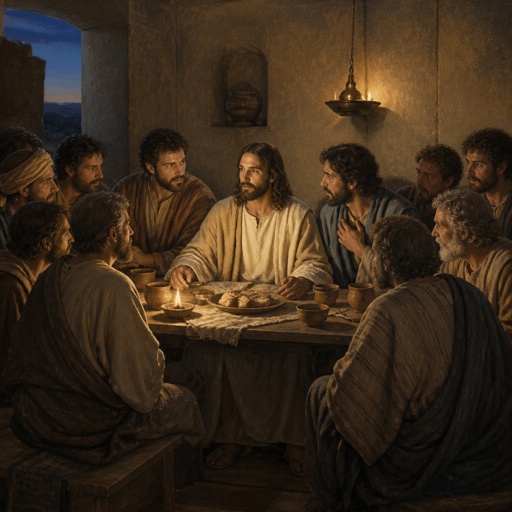
"Then the disciples looked one on another, doubting of whom he spake." - John 13:22
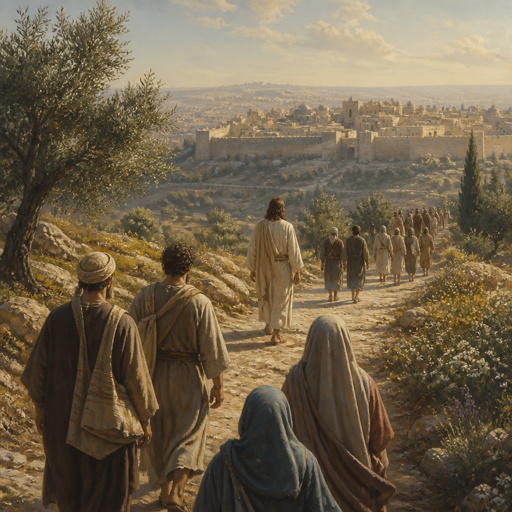
"¶ And the Jews' passover was at hand, and Jesus went up to Jerusalem," - John 2:13

1 John 2:2 - "And he is the propitiation for our sins: and not for our's only, but also for the sins of the whole world."

2 John 1:13 - "The children of thy elect sister greet thee. Amen."

1 John 2:22 - "Who is a liar but he that denieth that Jesus is the Christ? He is antichrist, that denieth the Father and the Son."

2 Kings 13:22 - "¶ But Hazael king of Syria oppressed Israel all the days of Jehoahaz."

2 Samuel 22:13 - "Through the brightness before him were coals of fire kindled."

2 Chronicles 13:22 - "And the rest of the acts of Abijah, and his ways, and his sayings, are written in the story of the prophet Iddo."

John 13:2 - "And supper being ended, the devil having now put into the heart of Judas Iscariot, Simon's son, to betray him;"

John 2:22 - "When therefore he was risen from the dead, his disciples remembered that he had said this unto them; and they believed the scripture, and the word which Jesus had said."

"The children of thy elect sister greet thee. Amen." - 2 John 1:13

John 13

1 John 2:13 - "I write unto you, fathers, because ye have known him that is from the beginning. I write unto you, young men, because ye have overcome the wicked one. I write unto you, little children, because ye have known the Father."

"And he is the propitiation for our sins: and not for our's only, but also for the sins of the whole world." - 1 John 2:2

John 10:22 - "¶ And it was at Jerusalem the feast of the dedication, and it was winter."

2 Samuel 13:22 - "And Absalom spake unto his brother Amnon neither good nor bad: for Absalom hated Amnon, because he had forced his sister Tamar."
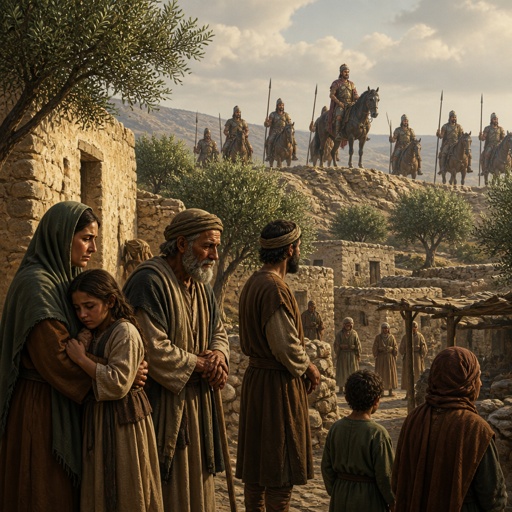
"¶ But Hazael king of Syria oppressed Israel all the days of Jehoahaz." - 2 Kings 13:22

"Through the brightness before him were coals of fire kindled." - 2 Samuel 22:13
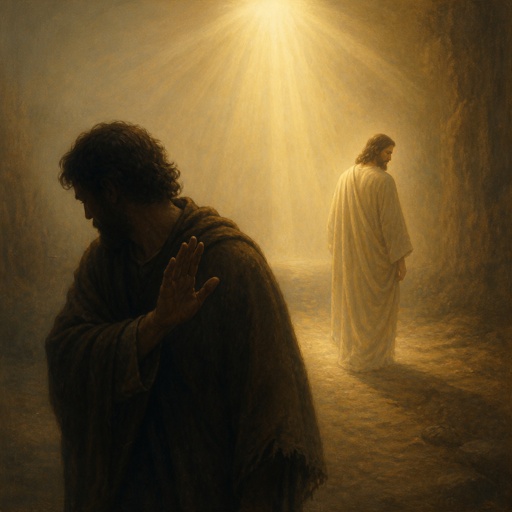
"Who is a liar but he that denieth that Jesus is the Christ? He is antichrist, that denieth the Father and the Son." - 1 John 2:22

Genesis 22-13

John 13:13 - "Ye call me Master and Lord: and ye say well; for so I am."
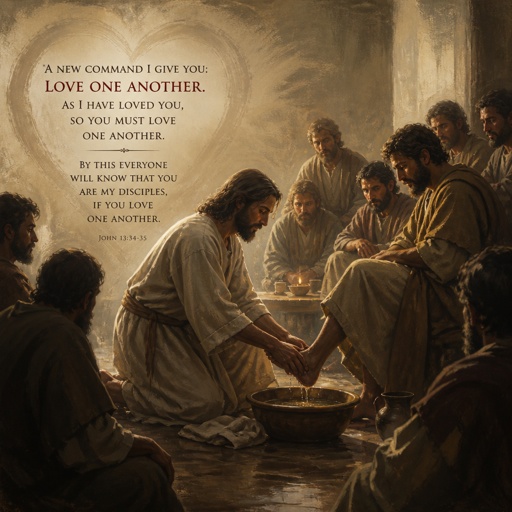
John 13: 34-35

John 13:4-9

JOHN 6:11-13