What does John 2:18 mean?
“Then answered the Jews and said unto him, What sign shewest thou unto us, seeing that thou doest these things?” — John 2:18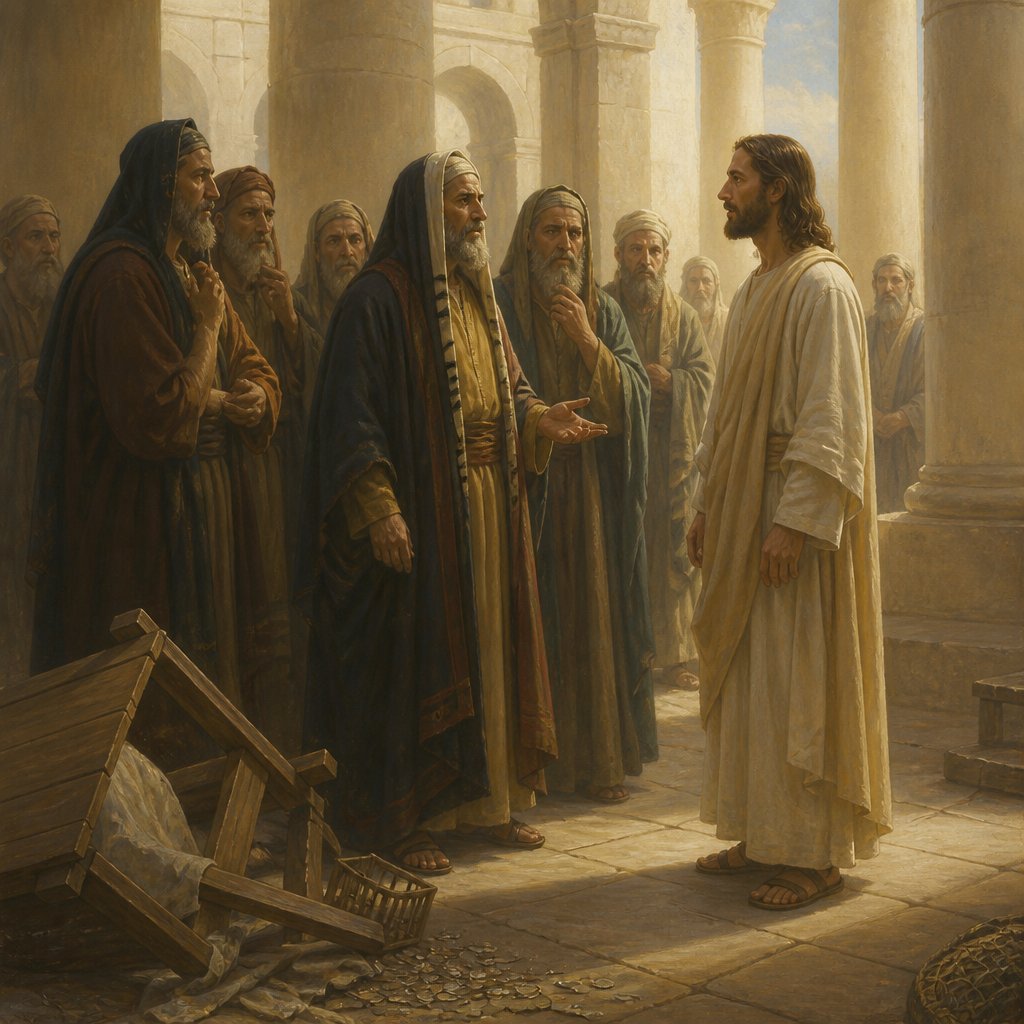
John 2:18 in the King James Version of the Bible reads, "Then answered the Jews and said unto him, What sign shewest thou unto us, seeing that thou doest these things?" This verse is part of a larger passage in the Gospel of John that recounts the story of Jesus cleansing the temple in Jerusalem.
The context of this verse is Jesus' arrival in Jerusalem during the Passover festival. When he entered the temple, he found merchants selling animals and moneychangers exchanging currency for the required temple tax. Angered by the commercialization of the sacred space, Jesus overturned the tables and drove out the merchants, exclaiming, "Take these things hence; make not my Father's house an house of merchandise" (John 2:16, KJV). It is in response to this action that the Jews inquired of Jesus, "What sign shewest thou unto us, seeing that thou doest these things?"
This verse provides an opportunity for reflection on several important themes within the Gospel of John, including the nature of Jesus' authority, the role of signs and miracles in his ministry, and the significance of the temple as a symbol of divine presence.
The question posed by the Jews reveals their skepticism regarding Jesus' actions in the temple. They are essentially asking Jesus to prove his authority or justify his disruptive behavior. Throughout the Gospel of John, Jesus is confronted by those who question his identity and legitimacy as a spiritual leader. By posing this question, the Jews illustrate the tension and disbelief that often accompanied Jesus' ministry. This skepticism sets the stage for Jesus to offer a deeper understanding of his mission and identity through subsequent teachings and miracles.
Additionally, the Jews' request for a sign reflects the recurring theme of "signs" in the Gospel of John. Throughout the narrative, Jesus performs various miracles or "signs" that point to his divine identity and purpose. In response to the Jews' request, Jesus goes on to speak of the temple of his body, foreshadowing his death and resurrection as the ultimate sign of his authority and divine nature (John 2:19-22). This dialogue sets the stage for a deeper exploration of the significance of Jesus' signs and the necessity of faith in understanding his true identity.
Furthermore, the temple itself serves as a powerful symbol throughout the Gospel of John. In the Old Testament, the temple was revered as the dwelling place of God, the center of Jewish worship, and a symbol of divine presence among the people. Jesus' actions in cleansing the temple reveal his authority to challenge and reform traditional religious practices. By confronting the commercialization of the temple, Jesus is asserting his authority as the ultimate mediator between God and humanity.
In conclusion, John 2:18 is a pivotal verse within the larger narrative of Jesus' ministry in the Gospel of John. This verse captures the skepticism and inquiry that Jesus faced from those who questioned his authority and mission. It also highlights important themes such as the role of signs and miracles in revealing Jesus' identity, and the symbolic significance of the temple as a representation of divine presence. This verse sets the stage for a deeper exploration of Jesus' authority and the transformative nature of his ministry.
Get our apps


Artwork for John 2:18

John 2:18 - "¶ Then answered the Jews and said unto him, What sign shewest thou unto us, seeing that thou doest these things?"

1 John 2:18 - "Little children, it is the last time: and as ye have heard that antichrist shall come, even now are there many antichrists; whereby we know that it is the last time."
"¶ Then answered the Jews and said unto him, What sign shewest thou unto us, seeing that thou doest these things?" - John 2:18
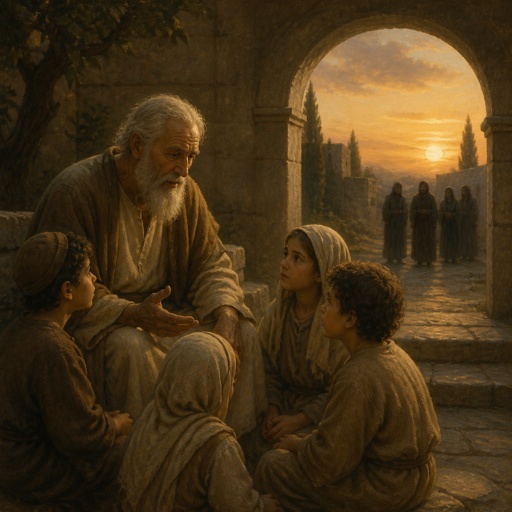
"Little children, it is the last time: and as ye have heard that antichrist shall come, even now are there many antichrists; whereby we know that it is the last time." - 1 John 2:18

Mark 2:18 - "And the disciples of John and of the Pharisees used to fast: and they come and say unto him, Why do the disciples of John and of the Pharisees fast, but thy disciples fast not?"

John 18:2 - "And Judas also, which betrayed him, knew the place: for Jesus ofttimes resorted thither with his disciples."

John 7:17-18

John 7:17-18

John 7:17-18

John 7:17-18

John 18:25

john 18:36
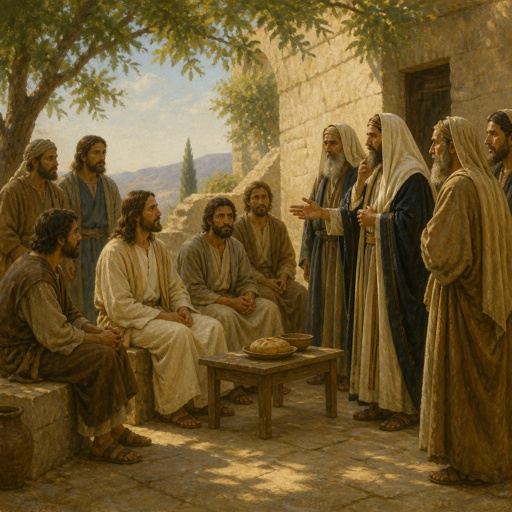
"And the disciples of John and of the Pharisees used to fast: and they come and say unto him, Why do the disciples of John and of the Pharisees fast, but thy disciples fast not?" - Mark 2:18

1 John 5:18

1 John 4:18

1 John 4:18

John 18:27 - "Peter then denied again: and immediately the cock crew."

John 6:18 - "And the sea arose by reason of a great wind that blew."
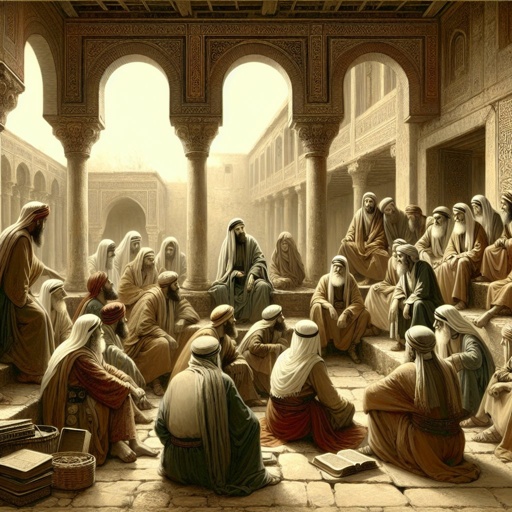
Luke 7:18 - "And the disciples of John shewed him of all these things."

John 18:18 - "And the servants and officers stood there, who had made a fire of coals; for it was cold: and they warmed themselves: and Peter stood with them, and warmed himself."
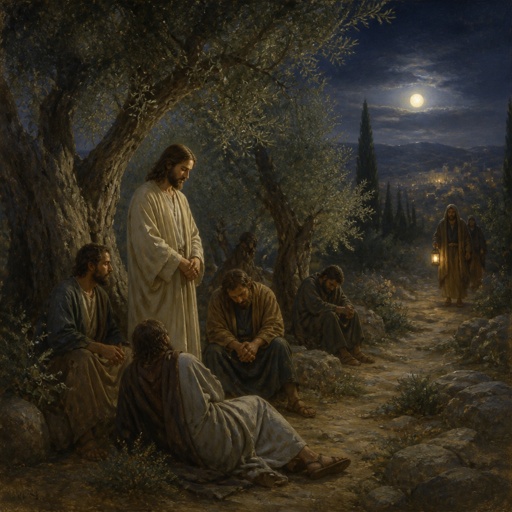
"And Judas also, which betrayed him, knew the place: for Jesus ofttimes resorted thither with his disciples." - John 18:2

John 18:12 - "Then the band and the captain and officers of the Jews took Jesus, and bound him,"

John 14:18 - "I will not leave you comfortless: I will come to you."

John 18:19 - "¶ The high priest then asked Jesus of his disciples, and of his doctrine."

John 18:7 - "Then asked he them again, Whom seek ye? And they said, Jesus of Nazareth."
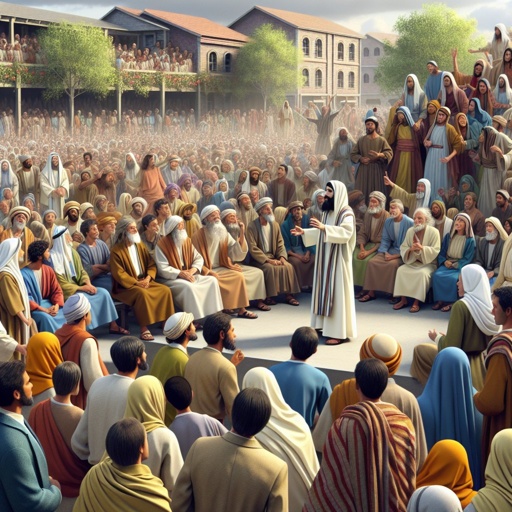
John 12:18 - "For this cause the people also met him, for that they heard that he had done this miracle."

John 18:40 - "Then cried they all again, saying, Not this man, but Barabbas. Now Barabbas was a robber."

John 11:18 - "Now Bethany was nigh unto Jerusalem, about fifteen furlongs off:"

Mark 6:18 - "For John had said unto Herod, It is not lawful for thee to have thy brother's wife."

John 15:18 - "If the world hate you, ye know that it hated me before it hated you."