What does John 20:7 mean?
“And the napkin, that was about his head, not lying with the linen clothes, but wrapped together in a place by itself.” — John 20:7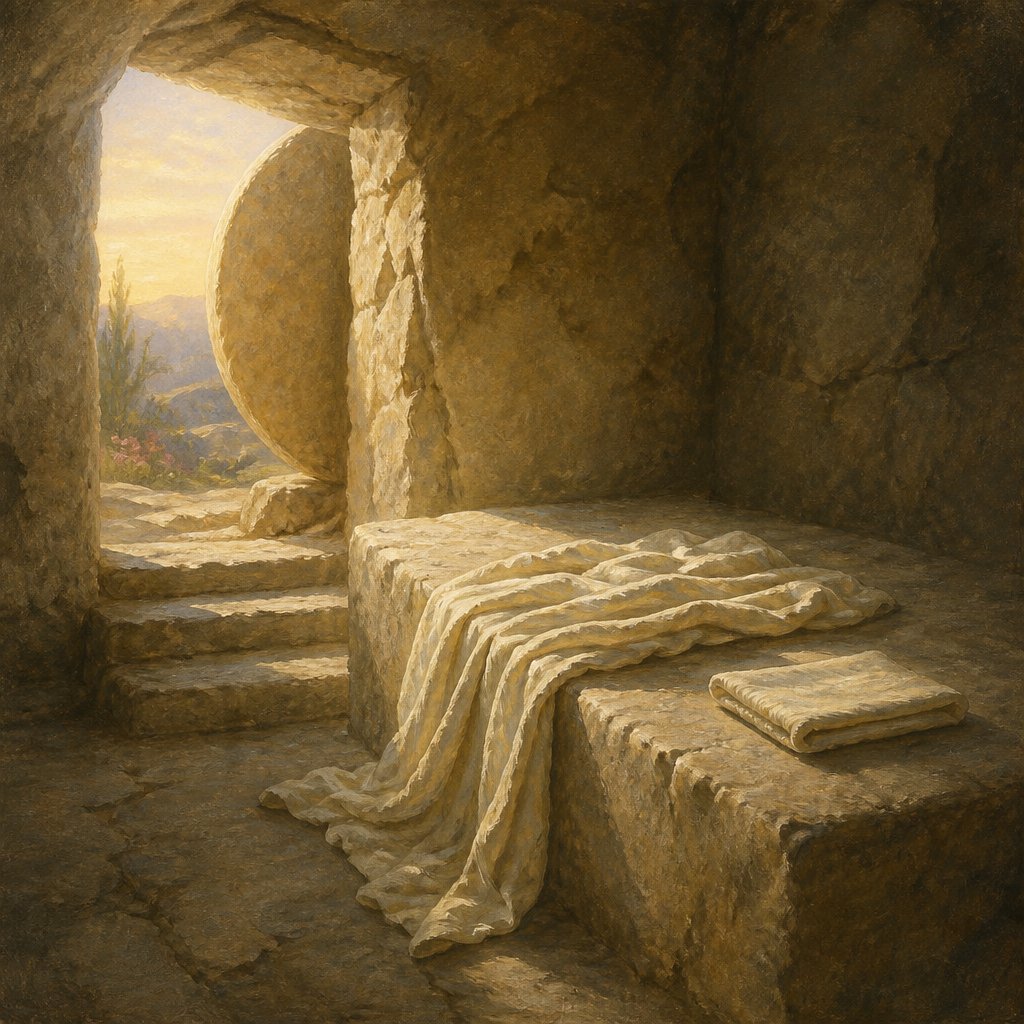
John 20:7 from the King James Version of the Bible reads, "And the napkin, that was about his head, not lying with the linen clothes, but wrapped together in a place by itself." This verse comes from the New Testament and is part of the story of Jesus' resurrection.
This verse is part of the larger story of Jesus' resurrection after his crucifixion. In John 20, Mary Magdalene comes to the tomb and finds the stone rolled away. She goes to Peter and the other disciple, who run to the tomb and see the linen clothes lying there, but Jesus is not there. This verse specifically refers to the napkin that was about Jesus' head, which was not lying with the linen clothes, but wrapped together in a place by itself.
The context of this verse is the discovery of Jesus' empty tomb. The fact that the napkin was wrapped together in a place by itself is significant and has been the subject of much interpretation and commentary over the centuries. In the cultural context of the time, the way the napkin was folded or wrapped had a particular significance, especially in relation to a meal or a guest in one's home.
Some interpretations suggest that the way the napkin was folded indicates that the Master (in this case, Jesus) was not done with his meal and would be returning. This could be seen as a symbolic gesture indicating that Jesus was not finished with his work on earth and would return again, as he had promised.
Another interpretation is that the napkin being folded in a particular way was a signal to the disciples that Jesus' resurrection was a deliberate and intentional act, rather than the result of theft or some other natural explanation. In this interpretation, the careful arrangement of the linen clothes and the napkin is seen as a sign of the divine nature of Jesus' resurrection.
Overall, this verse is rich with symbolism and meaning. It can be seen as a sign of hope and promise, indicating that Jesus' work on earth was not finished and that he would return again. It can also be interpreted as a sign of the intentional and deliberate nature of Jesus' resurrection, affirming his divine identity and purpose.
In terms of themes, this verse speaks to the themes of resurrection, hope, and the divine nature of Jesus. It reinforces the central Christian belief in the resurrection of Jesus and the promise of eternal life. It also emphasizes the intentional and deliberate nature of Jesus' actions, affirming his identity as the Son of God.
In conclusion, John 20:7 is a verse rich with symbolism and meaning, and it is an important part of the larger story of Jesus' resurrection. It offers hope and promise to Christians, affirming the central beliefs of the faith. It has been the subject of much interpretation and commentary over the centuries, and it continues to inspire and challenge believers today.
Get our apps


Artwork for John 20:7

John 20:7 - "And the napkin, that was about his head, not lying with the linen clothes, but wrapped together in a place by itself."
"And the napkin, that was about his head, not lying with the linen clothes, but wrapped together in a place by itself." - John 20:7
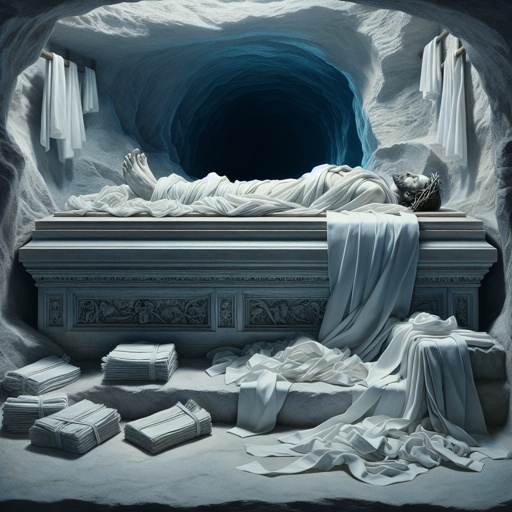
John 20:7 - Show inside the tomb - Nobody should be there - Show the strips of linen and the linen all in white - Show a folded white napkin next to the linen - A spiritual theme with a white and cold tone

John 20:7 - Show inside the tomb - Nobody should be there - Show the strips of linen and the linen all in white - Show only one folded white napkin next to the linen - A spiritual theme with a white and cold tone - No human body

Luke 7:20 - "When the men were come unto him, they said, John Baptist hath sent us unto thee, saying, Art thou he that should come? or look we for another?"
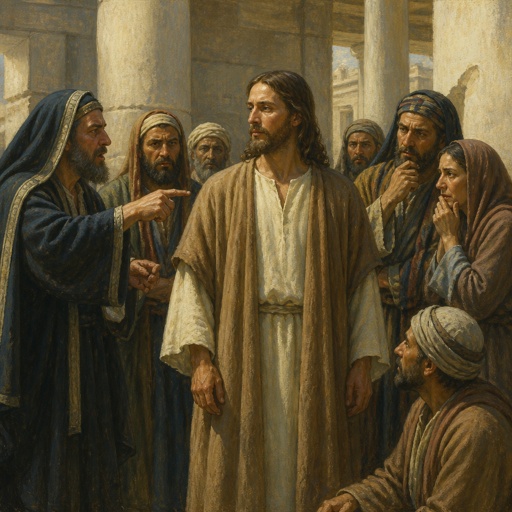
"The people answered and said, Thou hast a devil: who goeth about to kill thee?" - John 7:20

John 20:21

John 20:14

John 20:27

John 20:27

John 20:11-12

John 20:11-13

John 20:30-31
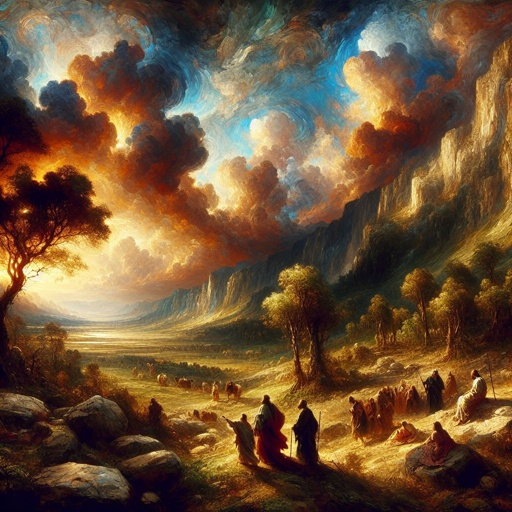
John 7:38

John 15:7

John 7:38

John 15:7

John 7:38

John 7:38
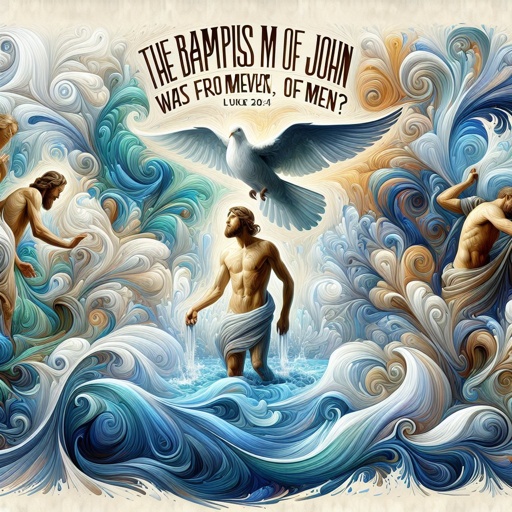
Luke 20:4 - "The baptism of John, was it from heaven, or of men?"

John 7:17-18

John 7:37-39

John 7:17-18

John 7:37-39

John 7:17-18

John 7:17-18

John 6:20 - "But he saith unto them, It is I; be not afraid."

John 7:38

John 1:20 - "And he confessed, and denied not; but confessed, I am not the Christ."

John 7:38