What does John 4:12 mean?
“Art thou greater than our father Jacob, which gave us the well, and drank thereof himself, and his children, and his cattle?” — John 4:12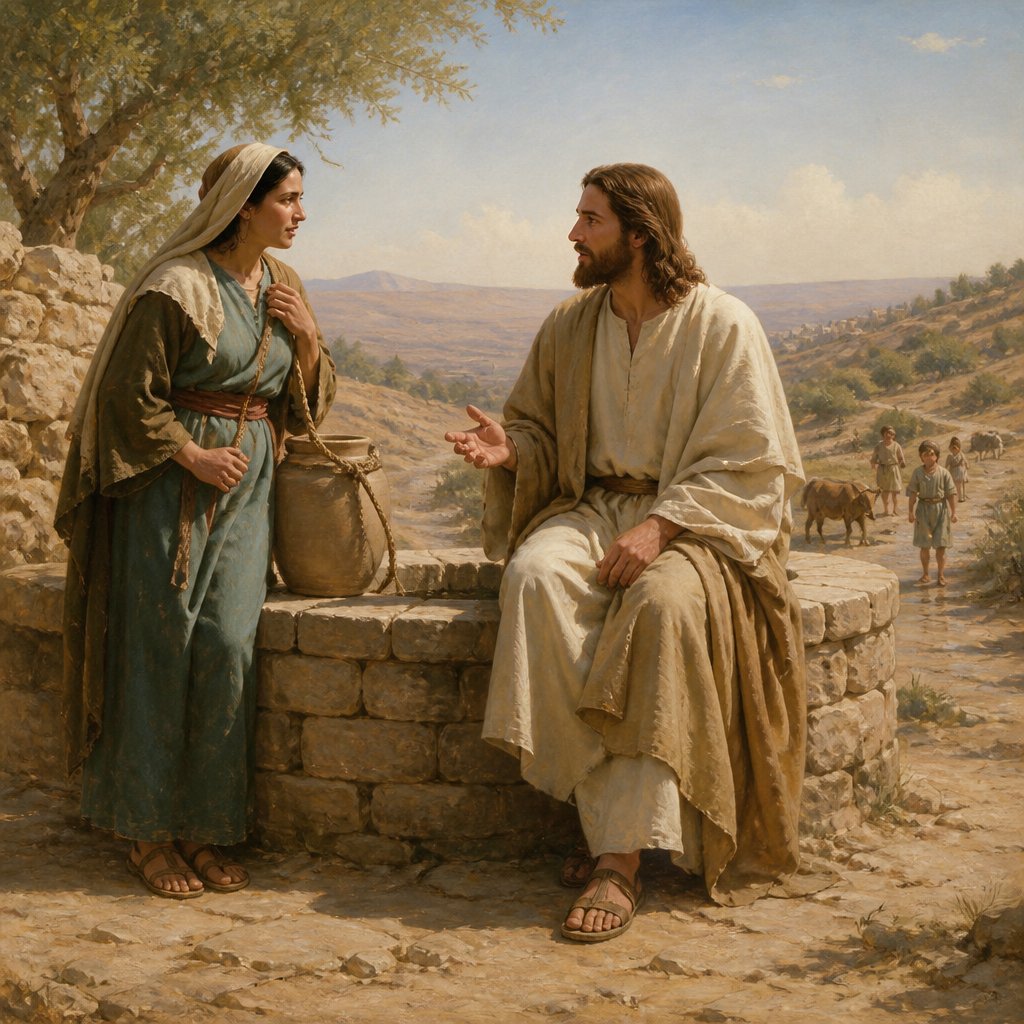
The verse John 4:12 in the King James Version of the Bible states, "Art thou greater than our father Jacob, which gave us the well, and drank thereof himself, and his children, and his cattle?" This verse is part of a larger passage that records a conversation between Jesus and a Samaritan woman at a well. In this conversation, the woman questions Jesus about his identity and his authority.
In order to understand the deeper meaning of this verse, it is important to first understand the context in which it is found. The passage takes place in the region of Samaria, where Jesus stops at a well and meets a Samaritan woman who has come to draw water. This encounter is significant because Jews were generally not on good terms with Samaritans, and it was unusual for a Jewish man to even speak to a Samaritan woman.
The woman is surprised that Jesus, a Jew, would even speak to her, and she questions him about his actions. In response, Jesus tells her about living water, which will quench her spiritual thirst forever. The woman then responds with the verse in question, asking if Jesus is greater than their ancestor Jacob who gave them the well.
The woman's question reveals the skepticism with which she views Jesus and his claims. She is looking at Jesus through the lens of her own cultural and religious background, which has led her to question whether Jesus could possibly be greater than the revered figure of Jacob.
The deeper theme of this verse is the contrast between physical and spiritual realities. The woman is focused on the physical well and the water it contains, while Jesus is speaking about spiritual water that brings eternal life. This contrast is a recurring theme in the Gospel of John, where physical things are used as symbols of spiritual truths.
The figure of Jacob, who is mentioned in the verse, is also significant. Jacob was the father of the Israelite people, and he was associated with the well at which the conversation takes place. By referencing Jacob, the woman is appealing to her own religious heritage and questioning whether Jesus can surpass the authority and importance of their shared ancestor.
In response to the woman's question, Jesus goes on to talk about the nature of true worship and the coming of the Messiah. He reveals that he is the long-awaited Messiah, and his true authority comes from God. This revelation challenges the woman's preconceived notions and eventually leads to her acceptance of Jesus as the Savior.
Symbolically, the well and the water take on a deeper meaning in this passage. The physical well represents earthly sustenance and the limitations of human understanding, while the living water that Jesus offers represents eternal life and spiritual fulfillment. The encounter at the well becomes a metaphor for the transformative power of Jesus' message, which transcends cultural and religious barriers.
In conclusion, John 4:12 is a pivotal verse in the larger passage of Jesus' encounter with the Samaritan woman. It highlights the contrast between physical and spiritual realities and the challenge of accepting Jesus' authority. Through this conversation, the woman's perspective is transformed, and she comes to recognize Jesus as the Messiah. This verse serves as a reminder to look beyond the surface of our earthly experiences and to seek the deeper spiritual truths that Jesus offers.
Get our apps


Artwork for John 4:12

John 4:12 - "Art thou greater than our father Jacob, which gave us the well, and drank thereof himself, and his children, and his cattle?"

1 John 4:12 - "No man hath seen God at any time. If we love one another, God dwelleth in us, and his love is perfected in us."
"Art thou greater than our father Jacob, which gave us the well, and drank thereof himself, and his children, and his cattle?" - John 4:12
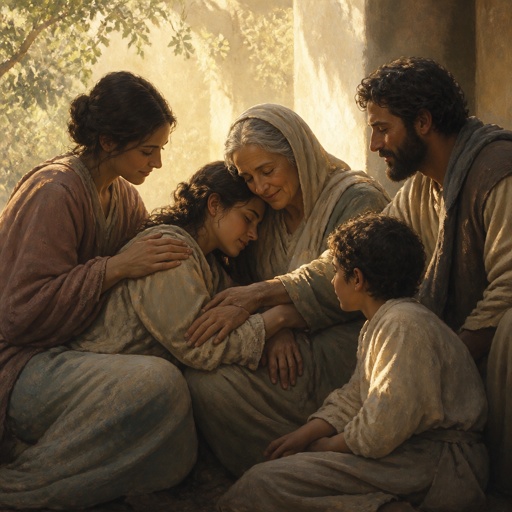
"No man hath seen God at any time. If we love one another, God dwelleth in us, and his love is perfected in us." - 1 John 4:12

Matthew 4:12 - "¶ Now when Jesus had heard that John was cast into prison, he departed into Galilee;"

John 12:4 - "Then saith one of his disciples, Judas Iscariot, Simon's son, which should betray him,"
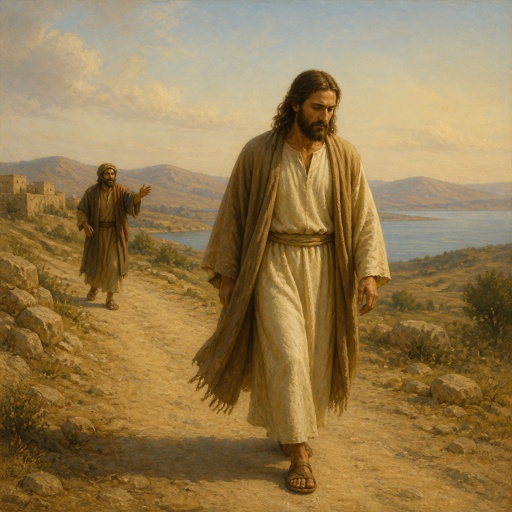
"¶ Now when Jesus had heard that John was cast into prison, he departed into Galilee;" - Matthew 4:12
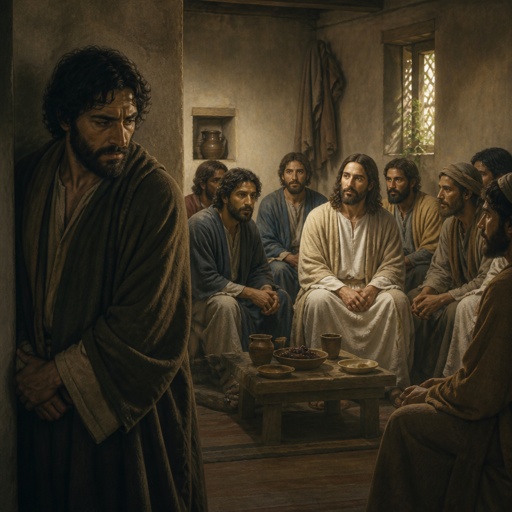
"Then saith one of his disciples, Judas Iscariot, Simon's son, which should betray him," - John 12:4
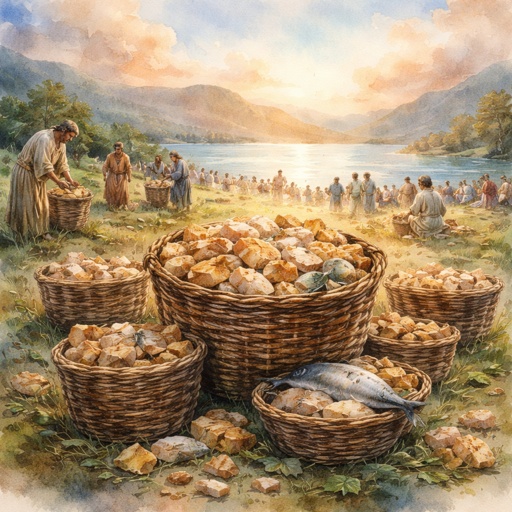
John 6:12

John 8:12

1 John 4:11-12 - "Beloved, if God so loved us, we also ought to love one another. No one has ever seen God; if we love one another, God abides in us and his love is perfected in us."

John 12:25
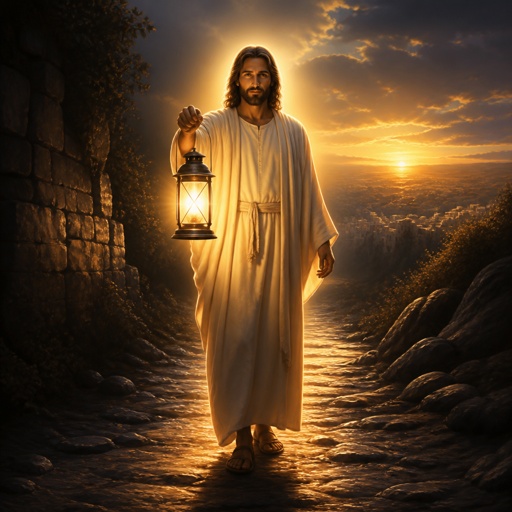
John 8:12

John 8:12

John 8:12
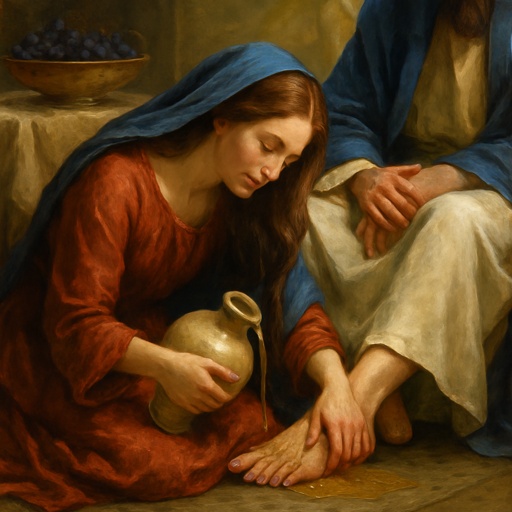
John 12:3

John 8:12

John 4:4 - "And he must needs go through Samaria."

John 20:11-12

John 12:12 - "¶ On the next day much people that were come to the feast, when they heard that Jesus was coming to Jerusalem,"

John 4:16

John 3:4

John 4:16

John 4:16

John 4:16

John 4:16

John 4:16

John 4:16

John 4:16

John 3:4