What does John 4:20 mean?
“Our fathers worshipped in this mountain; and ye say, that in Jerusalem is the place where men ought to worship.” — John 4:20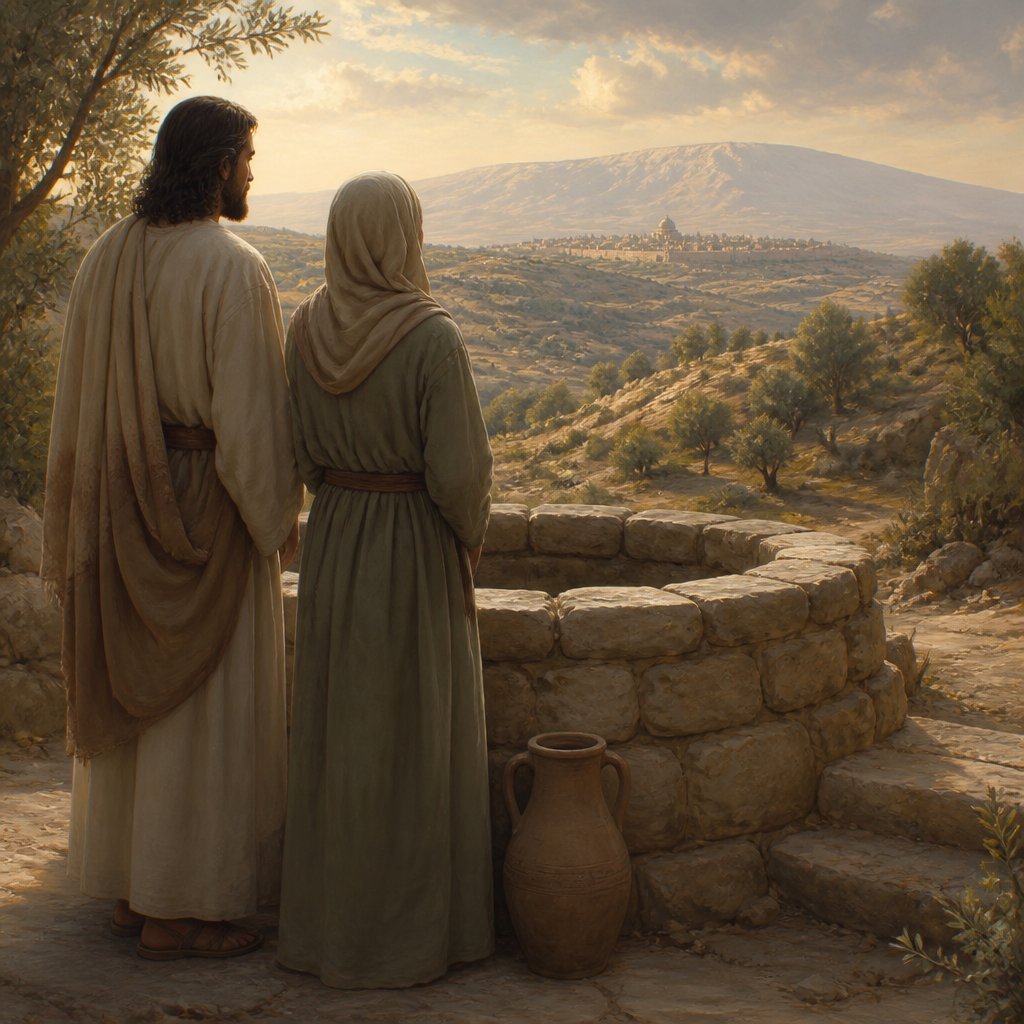
The Bible verse John 4:20 in the King James Version (KJV) reads: "Our fathers worshipped in this mountain; and ye say, that in Jerusalem is the place where men ought to worship."
This verse is a part of a larger passage that describes a conversation between Jesus and a Samaritan woman at a well. This encounter takes place at Jacob's Well in Samaria, between Jesus and a woman who has come to draw water. The woman is surprised that Jesus, a Jewish man, would speak to her, a Samaritan woman. Jesus, however, engages her in conversation and reveals to her that he is the Messiah.
In verse 20, the Samaritan woman brings up the topic of worship. She mentions the ancestral practice of worshiping on the mountain and the Jews' emphasis on Jerusalem as the proper place of worship. This discussion is significant in showing the cultural and religious divisions between the Jews and the Samaritans. The Samaritans were a mixed race of people who followed a form of Judaism, but their relationship with the Jews was strained, and they had their own temple and religious practices. The woman's statement reflects the ongoing tension and disagreement between the two groups about the appropriate place and manner of worship.
One of the themes that can be drawn from this verse is the importance of worship and the understanding of where and how to worship. Both the Samaritans and the Jews had strong beliefs about the proper location and method of worship, and this verse illustrates the cultural and religious differences between the two groups. However, Jesus uses this conversation to teach a more profound truth about worship that transcends physical locations and religious traditions.
In response to the woman's statement, Jesus goes on to explain that true worship is not about the physical location but about worshiping in spirit and truth. Jesus tells the woman that the time is coming when true worshipers will worship the Father in spirit and truth, regardless of location or religious customs. This signifies a shift from the physical to the spiritual aspect of worship and the inclusiveness of all believers, regardless of nationality or background.
The symbolism in this verse is significant. The mountain and Jerusalem represent the physical places of worship for the Samaritans and the Jews, respectively. However, Jesus introduces the concept of spiritual worship, which transcends these physical locations. This symbolizes the universal nature of true worship, which is not confined to any specific place but is based on a sincere and genuine connection with God. Jesus is emphasizing the deeper spiritual reality of worship and the importance of the heart and attitude in worship rather than external rituals or traditions.
The context of this verse also has broader implications for the relationship between Jews and Samaritans and for the message of salvation that Jesus is proclaiming. By engaging in this dialogue with the Samaritan woman, Jesus is breaking down cultural and religious barriers and demonstrating that his message is for all people, regardless of their background. This encounter serves as a precursor to the universal salvation that Jesus brings, which is available to all who believe in him, regardless of nationality or heritage.
In conclusion, John 4:20 in the King James Version conveys a rich and multi-layered message about worship, cultural differences, and the universal nature of salvation. It challenges traditional notions of worship and highlights the spiritual truth that transcends religious customs and physical locations. This verse serves as a powerful reminder of the inclusive nature of God's kingdom and the universal invitation to worship in spirit and truth.
Get our apps


Artwork for John 4:20
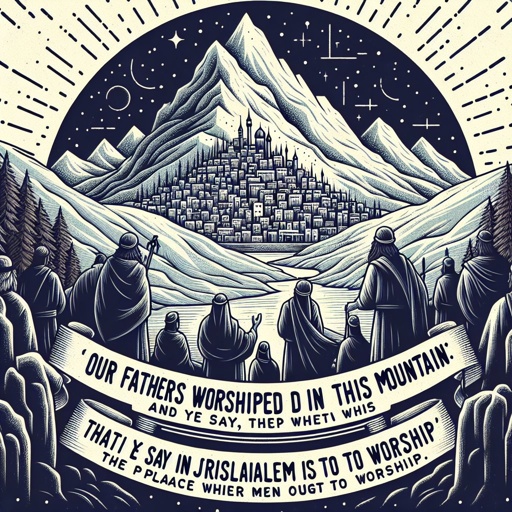
John 4:20 - "Our fathers worshipped in this mountain; and ye say, that in Jerusalem is the place where men ought to worship."

1 John 4:20 - "If a man say, I love God, and hateth his brother, he is a liar: for he that loveth not his brother whom he hath seen, how can he love God whom he hath not seen?"
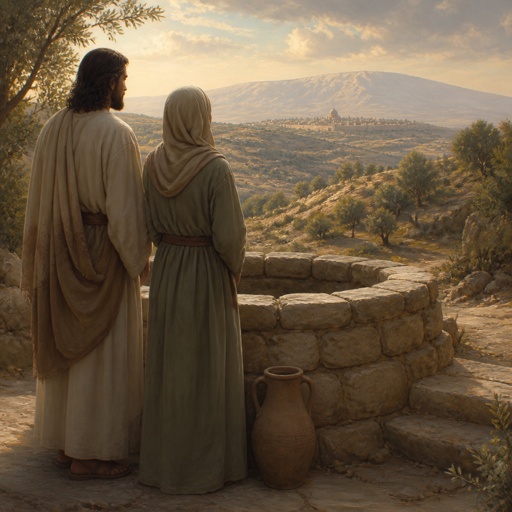
"Our fathers worshipped in this mountain; and ye say, that in Jerusalem is the place where men ought to worship." - John 4:20

1 John 4:20-21 - "If someone says, “I love God,” and hates his brother, he is a liar; for the one who does not love his brother whom he has seen, cannot love God whom he has not seen. And this commandment we have from Him, that the one who loves God should love his brother also."
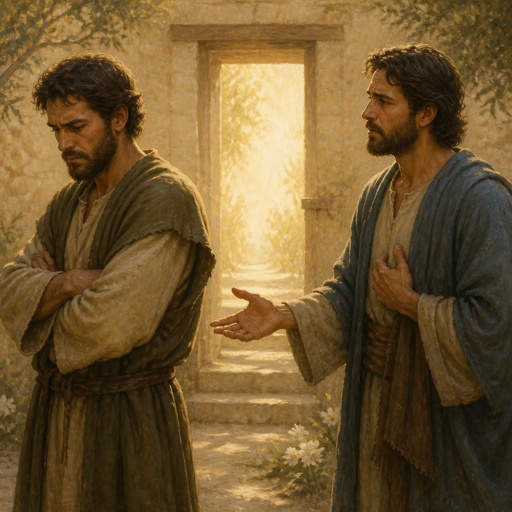
"If a man say, I love God, and hateth his brother, he is a liar: for he that loveth not his brother whom he hath seen, how can he love God whom he hath not seen?" - 1 John 4:20
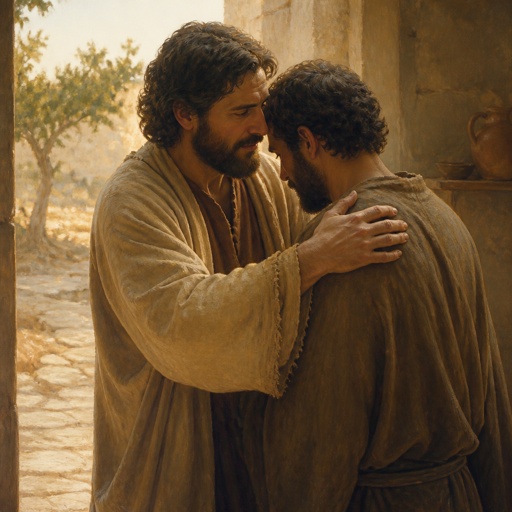
"If someone says, “I love God,” and hates his brother, he is a liar; for the one who does not love his brother whom he has seen, cannot love God whom he has not seen. And this commandment we have from Him, that the one who loves God should love his brother also." - 1 John 4:20-21
Luke 20:4 - "The baptism of John, was it from heaven, or of men?"
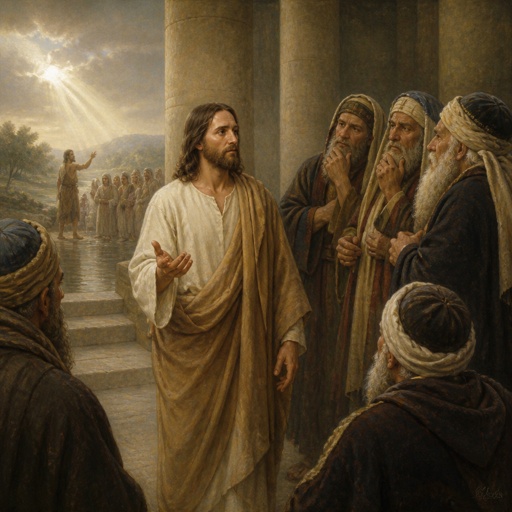
"The baptism of John, was it from heaven, or of men?" - Luke 20:4

John 20:4 - "So they ran both together: and the other disciple did outrun Peter, and came first to the sepulchre."
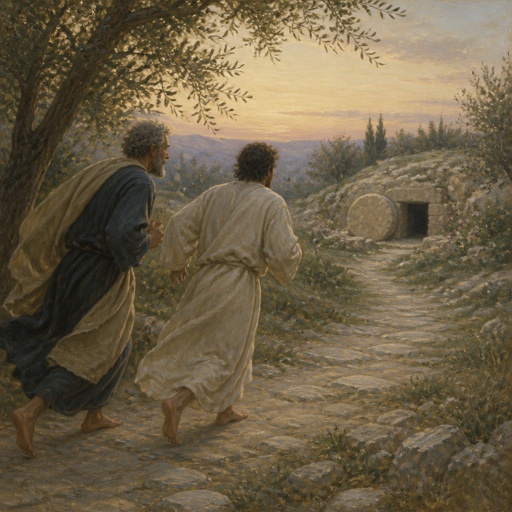
"So they ran both together: and the other disciple did outrun Peter, and came first to the sepulchre." - John 20:4

John 20:21

John 20:27

John 20:14

John 20:27

John 20:11-12

John 20:11-13

John 20:30-31

John 6:20 - "But he saith unto them, It is I; be not afraid."

John 4:4 - "And he must needs go through Samaria."
John 1:20 - "And he confessed, and denied not; but confessed, I am not the Christ."

John 20:10 - "Then the disciples went away again unto their own home."

John 4:16

John 3:4

John 4:16

John 4:16

John 4:16

John 4:16

John 20:20 - "And when he had so said, he shewed unto them his hands and his side. Then were the disciples glad, when they saw the Lord."

John 20:3 - "Peter therefore went forth, and that other disciple, and came to the sepulchre."

1 Corinthians 4:20