What does John 4:21 mean?
“Jesus saith unto her, Woman, believe me, the hour cometh, when ye shall neither in this mountain, nor yet at Jerusalem, worship the Father.” — John 4:21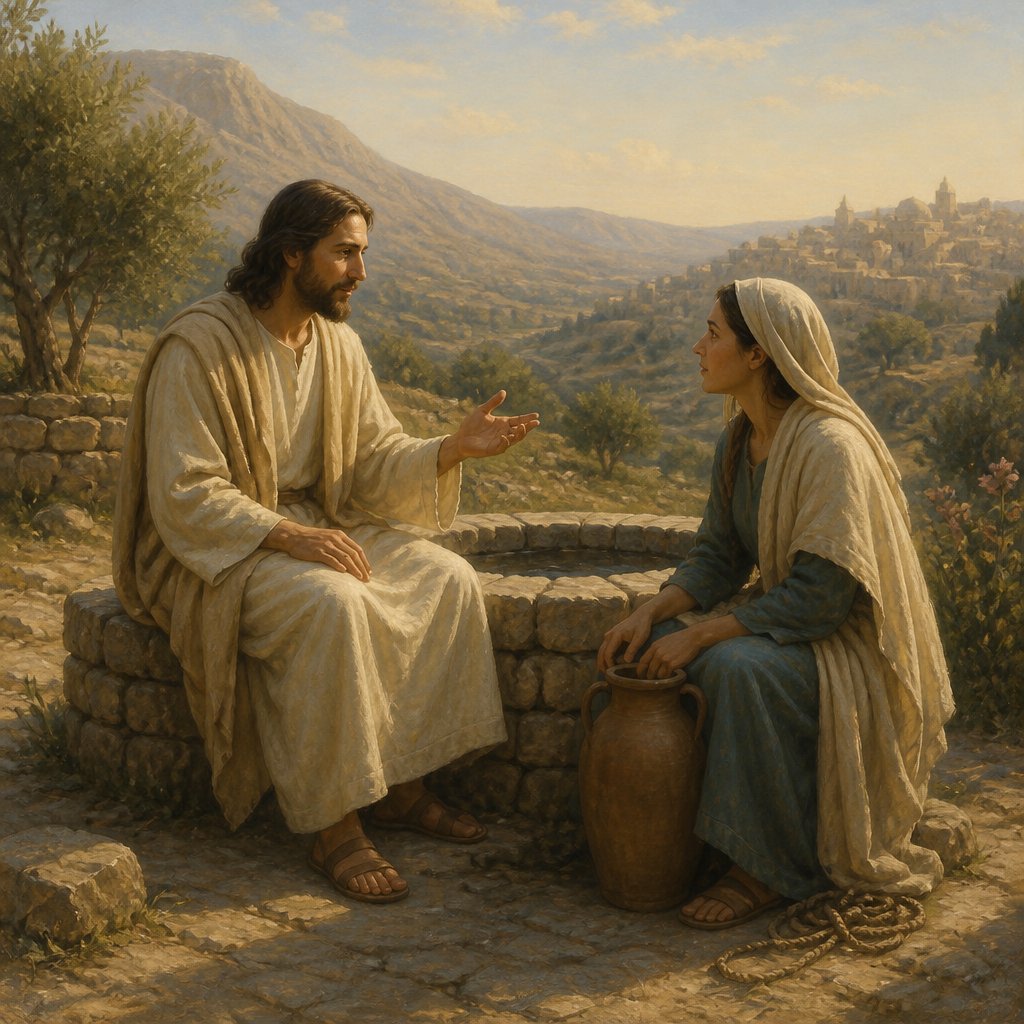
John 4:21 in the King James Version of the Bible reads, "Jesus saith unto her, Woman, believe me, the hour cometh, when ye shall neither in this mountain, nor yet at Jerusalem, worship the Father."
This verse is part of a larger passage in the Gospel of John that centers around Jesus' encounter with a Samaritan woman at a well. In this particular verse, Jesus is addressing the woman's question about the proper place of worship. This interaction serves as a pivotal moment in the narrative as Jesus challenges the traditional understandings of worship and begins to reveal his true identity as the Messiah.
The cultural and historical context of this verse is crucial to understanding its deeper meaning. The Samaritans and Jews had a long-standing animosity towards each other, stemming from a centuries-old religious and ethnic divide. The Samaritans were considered to be a mixed race and held different religious beliefs, which made them despised by the Jews. For Jesus to engage in conversation with a Samaritan woman was already breaking societal norms and challenging entrenched prejudices.
When Jesus tells the woman, "the hour cometh, when ye shall neither in this mountain, nor yet at Jerusalem, worship the Father," he is signaling a fundamental shift in the way people will relate to God. Up until that point, the Jews believed that true worship could only take place in the temple in Jerusalem, while the Samaritans worshiped on Mount Gerizim. Jesus's proclamation that a time is coming when worship will not be confined to a specific location challenges the traditional understanding of worship and opens the door for a more inclusive and universal approach to spirituality.
On a deeper spiritual level, this verse speaks to the idea that true worship is not dependent on external rituals or religious structures. Jesus is pointing to a new era where worship is about the condition of the heart and the sincerity of one's relationship with God. The emphasis is no longer on outward forms but on a personal and authentic connection to the divine.
The symbolism in this verse is profound. The mention of "this mountain" and "Jerusalem" represents the physical locations where worship was traditionally held. However, Jesus is moving the conversation beyond earthly geography to a spiritual reality that transcends boundaries. He is foreshadowing the time when worship will not be limited to physical spaces, but will be a matter of the spirit. This symbolic shift from the physical to the spiritual reflects Jesus's transformative mission to bring about a new way of relating to God.
The theme of inclusivity is also evident in this verse. By addressing a Samaritan woman and challenging the notion of exclusive worship, Jesus is signaling a broader vision of God's kingdom where all people are invited to come into relationship with him. This theme of inclusivity and universality is central to Jesus's ministry and is a recurring motif throughout the Gospel of John.
In conclusion, John 4:21 is a pivotal verse that captures the essence of Jesus's teaching on worship and spirituality. Through his conversation with the Samaritan woman, Jesus challenges traditional notions of worship and paves the way for a new understanding of what it means to connect with God. The verse speaks to the universal and inclusive nature of God's kingdom, where true worship is a matter of the heart and transcends physical boundaries. It invites us to reexamine our own understanding of worship and to seek a deeper, more authentic relationship with the divine.
Get our apps


Artwork for John 4:21

1 John 4:21 - "And this commandment have we from him, That he who loveth God love his brother also."

John 4:21 - "Jesus saith unto her, Woman, believe me, the hour cometh, when ye shall neither in this mountain, nor yet at Jerusalem, worship the Father."

"And this commandment have we from him, That he who loveth God love his brother also." - 1 John 4:21

"And this commandment have we from him, That he who loveth God love his brother also." - 1 John 4:21
"Jesus saith unto her, Woman, believe me, the hour cometh, when ye shall neither in this mountain, nor yet at Jerusalem, worship the Father." - John 4:21
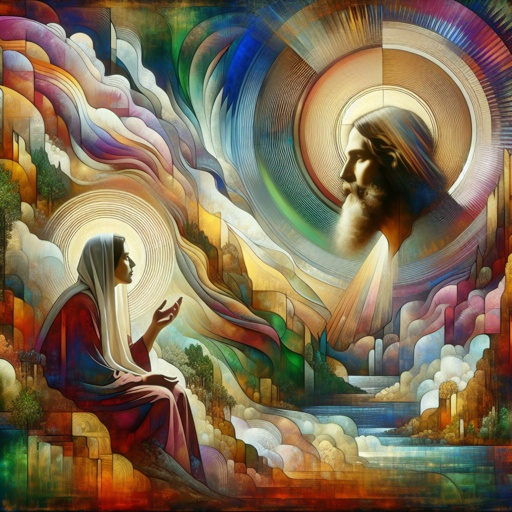
“Jesus replied, “Believe me, dear woman, the time is coming when it will no longer matter whether you worship the Father on this mountain or in Jerusalem. You Samaritans know very little about the one you worship, while we Jews know all about him, for salvation comes through the Jews. But the time is coming—indeed it’s here now—when true worshipers will worship the Father in spirit and in truth. The Father is looking for those who will worship him that way.” John 4:21-23 NLT https://bible.com/bible/116/jhn.4.21-22.NLT

John 21:4 - "But when the morning was now come, Jesus stood on the shore: but the disciples knew not that it was Jesus."

Matthew 4:21 - "And going on from thence, he saw other two brethren, James the son of Zebedee, and John his brother, in a ship with Zebedee their father, mending their nets; and he called them."
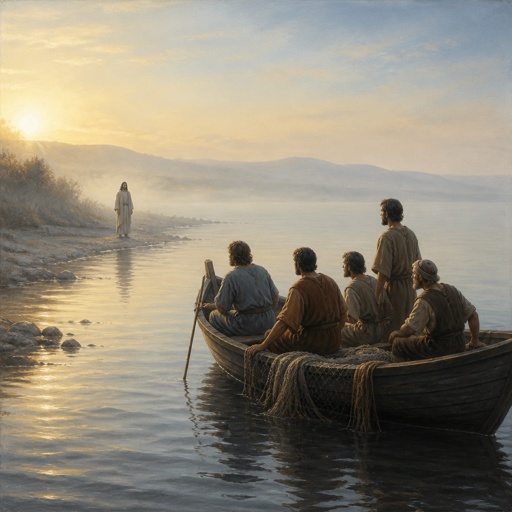
"But when the morning was now come, Jesus stood on the shore: but the disciples knew not that it was Jesus." - John 21:4

John 20:21

john 21:9

John 21:6

John 21:21 - "Peter seeing him saith to Jesus, Lord, and what shall this man do?"

John 21:6

John 21:17

John 21:25

John 21:6

John 21:6

John 14:15-21

"And going on from thence, he saw other two brethren, James the son of Zebedee, and John his brother, in a ship with Zebedee their father, mending their nets; and he called them." - Matthew 4:21

"And going on from thence, he saw other two brethren, James the son of Zebedee, and John his brother, in a ship with Zebedee their father, mending their nets; and he called them." - Matthew 4:21

John 21:15-19

John 2:21 - "But he spake of the temple of his body."

"And going on from thence, he saw other two brethren, James the son of Zebedee, and John his brother, in a ship with Zebedee their father, mending their nets; and he called them." - Matthew 4:21

"And going on from thence, he saw other two brethren, James the son of Zebedee, and John his brother, in a ship with Zebedee their father, mending their nets; and he called them." - Matthew 4:21

"And going on from thence, he saw other two brethren, James the son of Zebedee, and John his brother, in a ship with Zebedee their father, mending their nets; and he called them." - Matthew 4:21

"And going on from thence, he saw other two brethren, James the son of Zebedee, and John his brother, in a ship with Zebedee their father, mending their nets; and he called them." - Matthew 4:21

John 4:4 - "And he must needs go through Samaria."

John 21:13 - "Jesus then cometh, and taketh bread, and giveth them, and fish likewise."

John 4:16