What does John 5:18 mean?
“Therefore the Jews sought the more to kill him, because he not only had broken the sabbath, but said also that God was his Father, making himself equal with God.” — John 5:18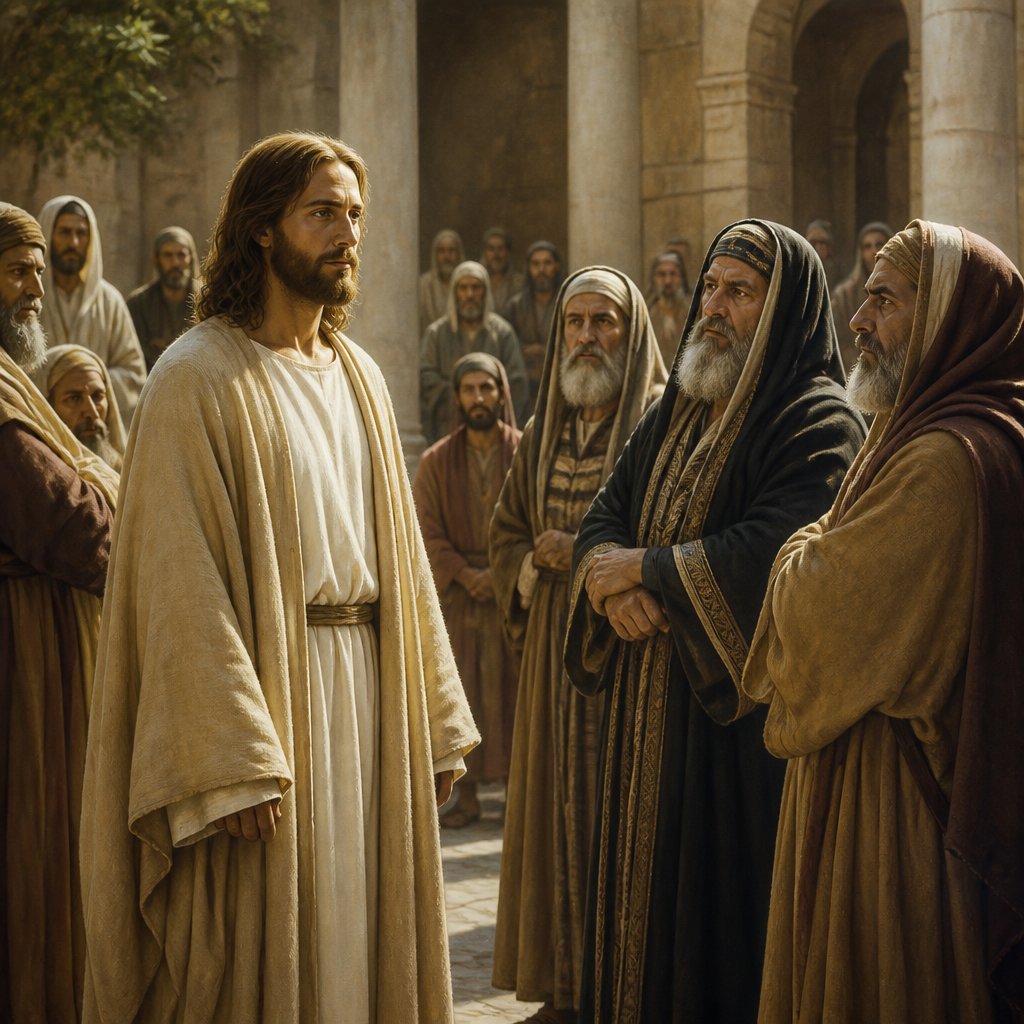
In John 5:18, the King James Version (KJV) of the Bible reads, "Therefore the Jews sought the more to kill him, because he not only had broken the sabbath, but said also that God was his Father, making himself equal with God." This verse is taken from the New Testament, specifically the Gospel of John, and it represents a pivotal moment in Jesus's ministry.
The context of this verse is crucial for understanding its significance. In the preceding verses, Jesus performs a miraculous healing on the Sabbath, which was considered a violation of Jewish law by the religious leaders of the time. In addition to this perceived transgression, Jesus also refers to God as his Father, claiming a special relationship with God and thereby suggesting his divinity. This assertion was highly controversial and provocative to the Jewish leaders, leading them to seek his death.
One of the central themes of this verse is the concept of Jesus's divinity and the ensuing controversy it creates. Here, the Jewish leaders accuse Jesus of blasphemy for claiming to be equal with God. This theme of Jesus's divinity is essential to the Gospel of John, as the book presents Jesus as the Son of God who has existed with God since the beginning of time. This verse serves as a direct challenge to the religious leaders' understanding of God and their authority.
Another significant theme in this verse is the tension between the religious law and the message of Jesus. By healing on the Sabbath and proclaiming his divine status, Jesus challenges the traditional interpretation of the law and the authority of the religious leaders. Throughout the Gospels, Jesus frequently clashes with the Pharisees and other religious authorities over the interpretation of the law and the proper way to honor God. This verse highlights the radical nature of Jesus's teachings and his willingness to challenge the status quo for the sake of his message.
Additionally, the symbolism in this verse is profound. Through his actions and words, Jesus establishes himself as the fulfillment of the Old Testament prophecies and the ultimate revelation of God to humanity. By claiming equality with God, Jesus positions himself as the bridge between God and humanity, offering a new way of understanding and relating to the divine. This symbolic representation of Jesus as the divine Son of God is central to Christian theology and serves as a cornerstone of the Christian faith.
In conclusion, John 5:18 is a powerful and significant verse within the Gospel of John. It encapsulates the central themes of Jesus's divinity and the tension between his message and the traditional religious authorities. This verse challenges the established understanding of God and the law, presenting Jesus as the ultimate revelation of God to humanity. The symbolism within this verse reinforces the profound implications of Jesus's claims and actions. Overall, John 5:18 holds a crucial place within the larger narrative of Jesus's ministry, serving as a pivotal moment that both defines and challenges the religious and theological understanding of Jesus's identity.
Get our apps


Artwork for John 5:18

1 John 5:18

1 John 5:18 - "We know that whosoever is born of God sinneth not; but he that is begotten of God keepeth himself, and that wicked one toucheth him not."

John 5:18 - "Therefore the Jews sought the more to kill him, because he not only had broken the sabbath, but said also that God was his Father, making himself equal with God."

"We know that whosoever is born of God sinneth not; but he that is begotten of God keepeth himself, and that wicked one toucheth him not." - 1 John 5:18
"Therefore the Jews sought the more to kill him, because he not only had broken the sabbath, but said also that God was his Father, making himself equal with God." - John 5:18

John 18:5 - "They answered him, Jesus of Nazareth. Jesus saith unto them, I am he. And Judas also, which betrayed him, stood with them."

John 7:17-18

John 7:17-18

John 7:17-18

John 7:17-18

John 18:25

john 18:36

1 John 4:18

1 John 4:18

John 15:5

John 15:5

John 5:2

John 5:33 - "Ye sent unto John, and he bare witness unto the truth."

John 18:27 - "Peter then denied again: and immediately the cock crew."

John 6:18 - "And the sea arose by reason of a great wind that blew."

John 5:5 - "And a certain man was there, which had an infirmity thirty and eight years."

John 5:28

John 5:28

John 5:28

1 John 5:5 - "Who is he that overcometh the world, but he that believeth that Jesus is the Son of God?"

Mark 2:18 - "And the disciples of John and of the Pharisees used to fast: and they come and say unto him, Why do the disciples of John and of the Pharisees fast, but thy disciples fast not?"
Luke 7:18 - "And the disciples of John shewed him of all these things."

John 18:18 - "And the servants and officers stood there, who had made a fire of coals; for it was cold: and they warmed themselves: and Peter stood with them, and warmed himself."
John 1:1-5
John 3:5-8