What does John 5:21 mean?
“For as the Father raiseth up the dead, and quickeneth them; even so the Son quickeneth whom he will.” — John 5:21
John 5:21 (KJV) states, "For as the Father raiseth up the dead, and quickeneth them; even so the Son quickeneth whom he will."
This verse is part of a larger passage in the Gospel of John in which Jesus is explaining his relationship with God the Father and the authority given to him by the Father. In verse 19, Jesus says, "Verily, verily, I say unto you, The Son can do nothing of himself, but what he seeth the Father do: for what things soever he doeth, these also doeth the Son likewise." This sets the stage for verse 21, in which Jesus declares his power to raise the dead, a power that is parallel to the power of the Father.
The theme of the passage surrounding John 5:21 is the divine authority and power of Jesus as the Son of God. Throughout the Gospel of John, Jesus repeatedly asserts his connection to the Father and his divinity. This passage serves as a direct claim to equality with God and the ability to perform divine acts, such as raising the dead. This theme of divine authority is central to the Christian faith and is a foundational aspect of Jesus' identity as the Messiah.
The context of John 5:21 is important for understanding its significance. The chapter begins with the story of Jesus healing a man who had been disabled for thirty-eight years. This healing took place on the Sabbath, leading to a confrontation with the Jewish religious leaders, who were angered by Jesus' apparent disregard for their Sabbath laws. In response, Jesus defends his actions by claiming to be working in accordance with the Father's will and authority. This sets the stage for the subsequent teachings and declarations found in the rest of the chapter, including the verse in question.
The symbolism in John 5:21 is rich and meaningful. The act of raising the dead is a powerful symbol of divine power and authority. In the Bible, the ability to raise the dead is seen as a miraculous and awe-inspiring act that only God can perform. By claiming this ability for himself, Jesus is asserting his divine nature and his role as the agent of God's power on earth. This symbolism serves to emphasize the unique and exalted status of Jesus as the Son of God.
Furthermore, the concept of being "quickeneth" carries profound spiritual significance. In the original Greek, the word used here can also be translated as "to make alive" or "to give life." This goes beyond mere physical resurrection and speaks to the idea of spiritual regeneration and renewal. Jesus is not only claiming the power to bring the physically dead back to life but also to bring spiritual life to those who are spiritually dead in their sins. This aligns with other teachings in the New Testament about the transformative power of faith in Christ.
In conclusion, John 5:21 is a pivotal verse in the Gospel of John that highlights the divine authority and power of Jesus as the Son of God. It serves as a bold declaration of Jesus' ability to perform divine acts, including the resurrection of the dead. The themes, context, and symbolism of this verse all point to the central truth of Christianity: that Jesus is the Son of God and the source of spiritual life and renewal. This verse is a potent reminder of the unique and unparalleled nature of Jesus' identity and mission.
Get our apps


Artwork for John 5:21

1 John 5:21 - "Little children, keep yourselves from idols. Amen."

John 5:21 - "For as the Father raiseth up the dead, and quickeneth them; even so the Son quickeneth whom he will."

"Little children, keep yourselves from idols. Amen." - 1 John 5:21

"For as the Father raiseth up the dead, and quickeneth them; even so the Son quickeneth whom he will." - John 5:21

John 21:5 - "Then Jesus saith unto them, Children, have ye any meat? They answered him, No."
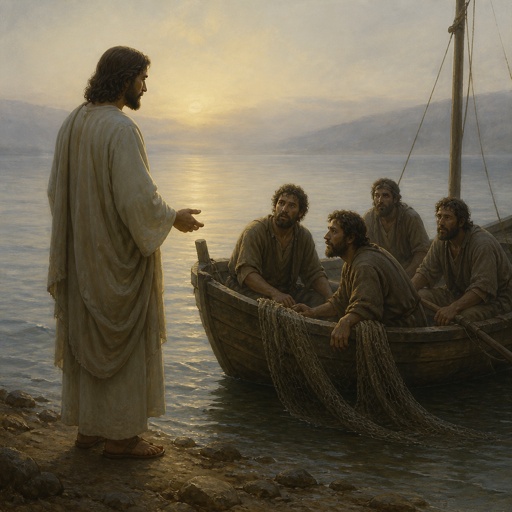
"Then Jesus saith unto them, Children, have ye any meat? They answered him, No." - John 21:5

John 20:21

john 21:9

John 21:6

John 21:21 - "Peter seeing him saith to Jesus, Lord, and what shall this man do?"

John 21:17

John 21:6

John 21:25

John 21:6

John 21:6

John 14:15-21

John 21:15-19

John 2:21 - "But he spake of the temple of his body."

Isaiah 5:21

Isaiah 5:21

John 15:5

John 5:2

John 15:5

John 5:33 - "Ye sent unto John, and he bare witness unto the truth."

John 5:5 - "And a certain man was there, which had an infirmity thirty and eight years."

John 5:28

John 5:28

John 5:28

Revelation 21:5

John 21:13 - "Jesus then cometh, and taketh bread, and giveth them, and fish likewise."