What does John 5:43 mean?
“I am come in my Father’s name, and ye receive me not: if another shall come in his own name, him ye will receive.” — John 5:43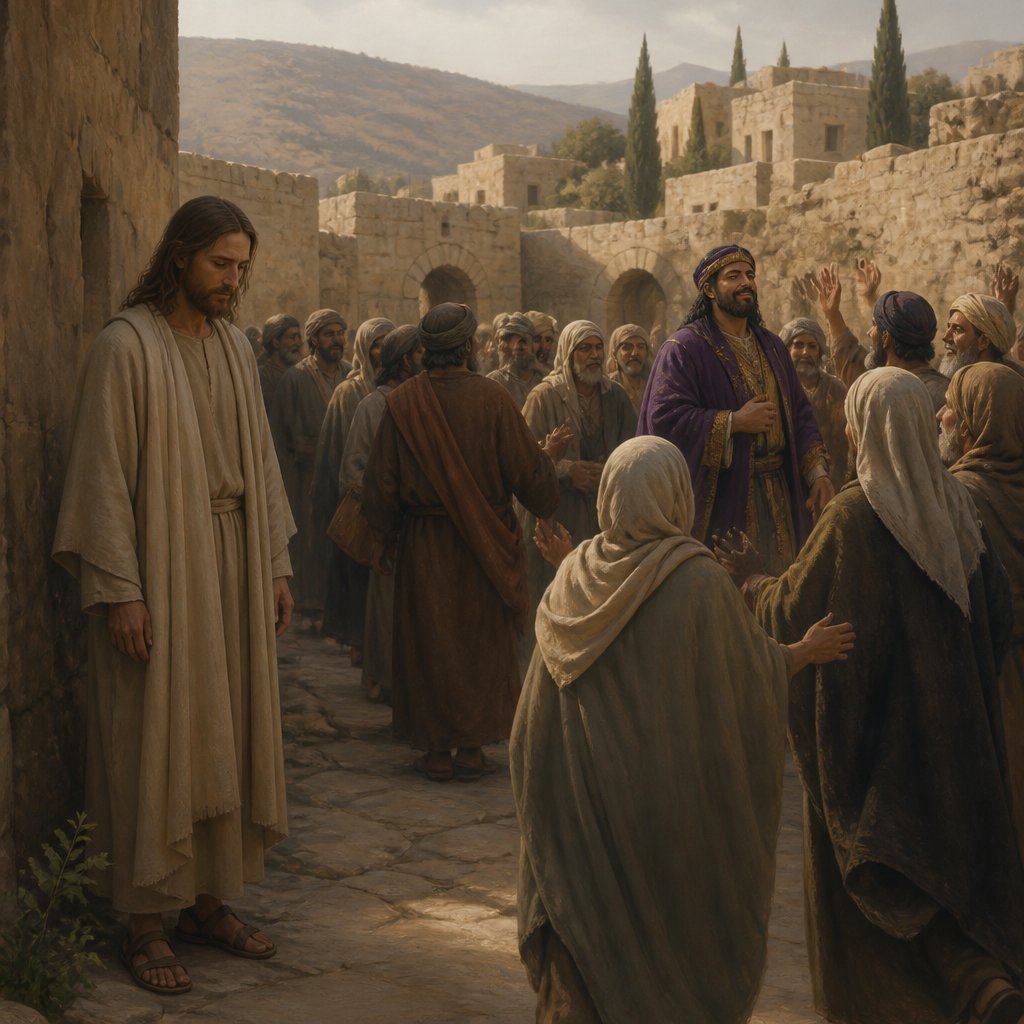
In John 5:43, Jesus says to the people, "I am come in my Father's name, and ye receive me not: if another shall come in his own name, him ye will receive." This verse is part of Jesus' discourse with the Jewish leaders, in which He is asserting His authority as the Son of God. By examining this verse in depth, we can gain insight into the themes of authority, belief, and identity, as well as the historical and cultural context surrounding this statement.
First, it's important to understand the context in which Jesus is speaking. In the Gospel of John, Jesus is often portrayed as establishing His divine authority and identity through His words and actions. In this specific passage, Jesus is confronting the Jewish leaders who are questioning His authority to perform miracles and declare Himself equal with God. He defends His authority by explaining that He comes in the name of His Father, and those who reject Him do so at their own peril.
One theme that becomes apparent in this verse is the theme of authority. Jesus is making a profound statement about His divine authority as the Son of God. By claiming to come in His Father's name, He is asserting that His actions and teachings are in accordance with the will of God. This challenges the Jewish leaders to recognize and accept His authority as the Messiah. However, the rejection of Jesus by the Jewish leaders highlights the resistance to His authority, a theme that is prevalent throughout the Gospels.
Another key theme in this verse is belief. Jesus is essentially telling the people that their rejection of Him is a reflection of their lack of faith. He is calling them to believe in Him as the Son of God and the Savior of the world. This theme of belief is central to the message of the Gospel, as it is through faith in Jesus that individuals can receive salvation and eternal life. By rejecting Jesus, the Jewish leaders are rejecting the very source of their redemption.
Furthermore, this verse raises the theme of identity. Jesus is making a bold declaration about His identity as the Son of God. By coming in His Father's name, He is aligning Himself with the divine authority and purpose of God. This assertion of identity is foundational to the Christian faith, as it establishes Jesus as the unique and only way to God. This exclusivity is a crucial aspect of Christian theology and is reflected in Jesus' statement about the rejection of those who come in their own name.
In addition to these themes, it's important to consider the cultural and historical context of this verse. The Jewish leaders were operating within a religious and political framework that was heavily influenced by the Old Testament scriptures and the expectation of a Messiah. Jesus' claim to be the Son of God would have been a radical and controversial assertion within this context. The Jewish leaders were looking for a Messiah who would fulfill their preconceived notions of a political and military ruler, not a humble and compassionate figure who came to bring spiritual salvation.
Finally, the symbolism in this verse is significant. By stating that He comes in His Father's name, Jesus is not only asserting His divine authority, but also reinforcing the intimate relationship between Himself and God. This relationship is symbolized by the imagery of the Father and Son, which embodies the unity and harmony within the Trinity. Furthermore, the contrasting rejection of those who come in their own name symbolizes the distinction between true authority and false claims to power.
In conclusion, John 5:43 is a powerful and thought-provoking statement by Jesus about His divine authority, the importance of belief, and His unique identity as the Son of God. By exploring the themes of authority, belief, and identity, as well as the historical and cultural context, we can gain a deeper understanding of the significance of this verse in the larger narrative of the Gospel of John. Jesus' words challenge us to consider our own belief in Him and to acknowledge His authority as the Savior and Lord.
Get our apps


Artwork for John 5:43

John 5:43 - "I am come in my Father's name, and ye receive me not: if another shall come in his own name, him ye will receive."
"I am come in my Father's name, and ye receive me not: if another shall come in his own name, him ye will receive." - John 5:43

John 7:43 - "So there was a division among the people because of him."

John 12:43 - "For they loved the praise of men more than the praise of God."

John 4:43 - "¶ Now after two days he departed thence, and went into Galilee."

John 6:43 - "Jesus therefore answered and said unto them, Murmur not among yourselves."

John 11:43-44 – "When he had said this, Jesus called in a loud voice, 'Lazarus, come out!'"

John 11:43 - "And when he thus had spoken, he cried with a loud voice, Lazarus, come forth."

John 8:43 - "Why do ye not understand my speech? even because ye cannot hear my word."

John 1:43 - "¶ The day following Jesus would go forth into Galilee, and findeth Philip, and saith unto him, Follow me."
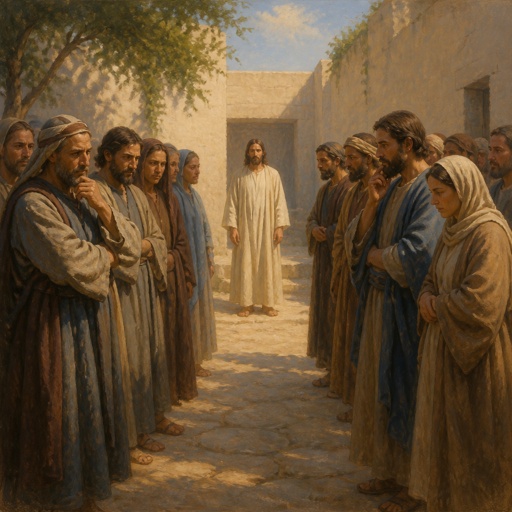
"So there was a division among the people because of him." - John 7:43

"For they loved the praise of men more than the praise of God." - John 12:43

Mark 5:43 - "And he charged them straitly that no man should know it; and commanded that something should be given her to eat."

Ezekiel 43:5 - "So the spirit took me up, and brought me into the inner court; and, behold, the glory of the LORD filled the house."

"¶ Now after two days he departed thence, and went into Galilee." - John 4:43
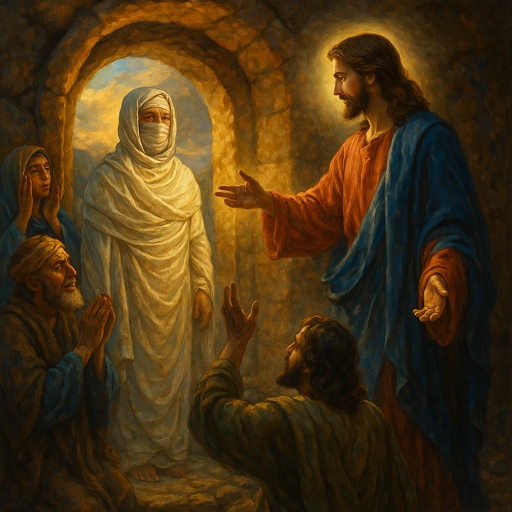
"And when he thus had spoken, he cried with a loud voice, Lazarus, come forth." - John 11:43
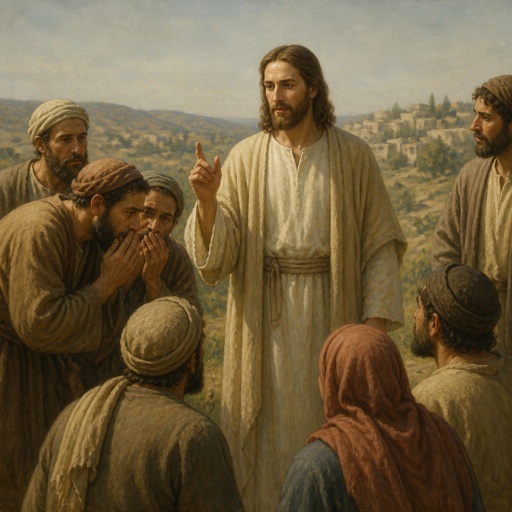
"Jesus therefore answered and said unto them, Murmur not among yourselves." - John 6:43

Matthew 5:43 - "¶ Ye have heard that it hath been said, Thou shalt love thy neighbour, and hate thine enemy."

Isaiah 43:5 - "Fear not: for I am with thee: I will bring thy seed from the east, and gather thee from the west;"

John 15:5

John 5:2

John 15:5

Genesis 43:5 - "But if thou wilt not send him, we will not go down: for the man said unto us, Ye shall not see my face, except your brother be with you."

John 5:33 - "Ye sent unto John, and he bare witness unto the truth."
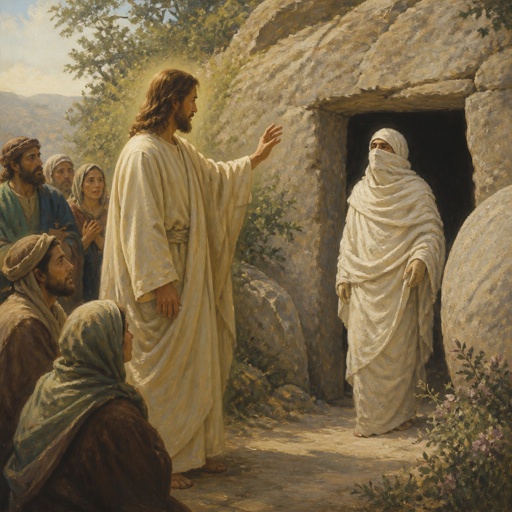
"And when he thus had spoken, he cried with a loud voice, Lazarus, come forth." - John 11:43

John 5:5 - "And a certain man was there, which had an infirmity thirty and eight years."

John 5:28

John 5:28

John 5:28

1 John 5:5 - "Who is he that overcometh the world, but he that believeth that Jesus is the Son of God?"