What does John 6:25 mean?
“And when they had found him on the other side of the sea, they said unto him, Rabbi, when camest thou hither?” — John 6:25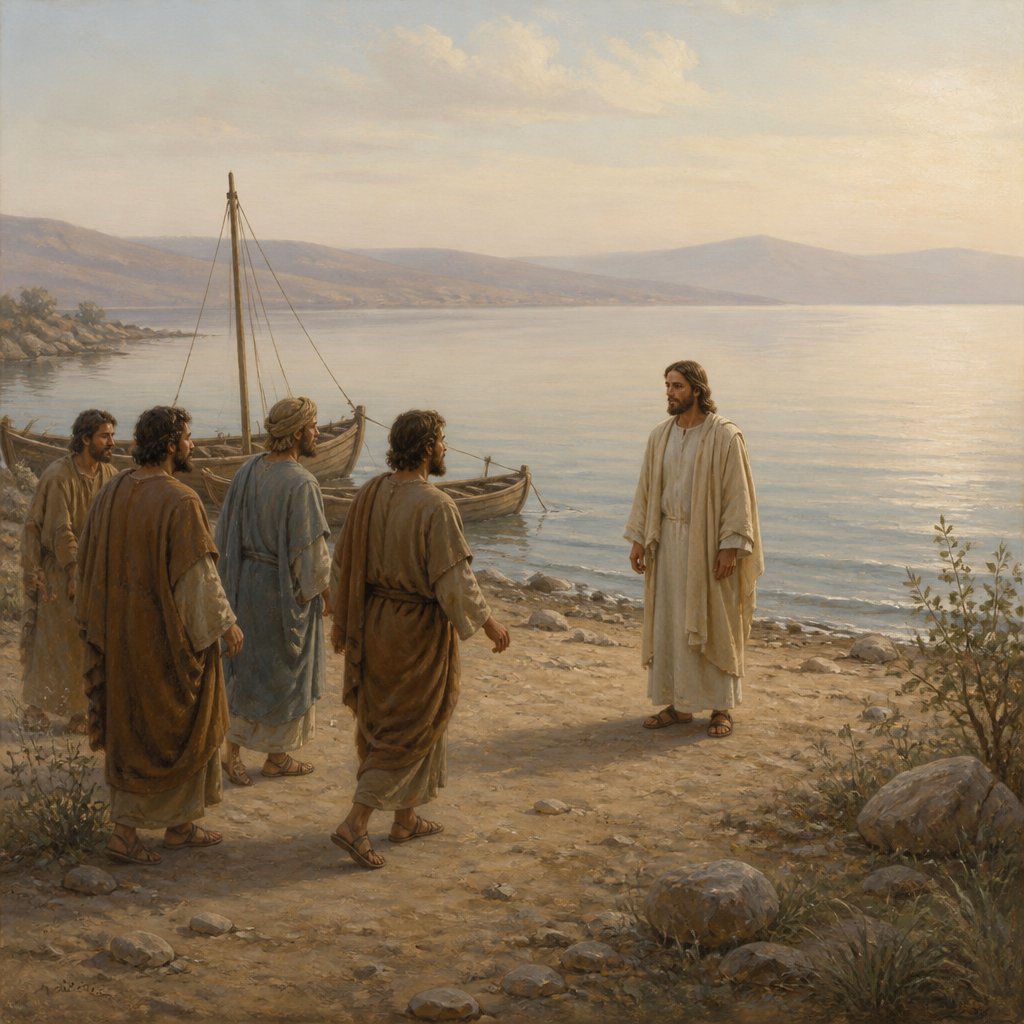
The Bible verse John 6:25, as it appears in the King James Version (KJV), reads: "And when they had found him on the other side of the sea, they said unto him, Rabbi, when camest thou hither?"
This verse is found in the New Testament of the Bible and is part of the larger narrative of Jesus' ministry and miracles. In this particular passage, Jesus has just performed the miracle of feeding 5,000 people with only five loaves of bread and two fish. After this incredible event, Jesus withdrew to a mountain by himself while his disciples got into a boat and crossed the Sea of Galilee.
When the crowd realized that Jesus and his disciples had gone, they themselves got into boats and went to look for him on the other side of the sea. When they found Jesus, they addressed him with the title "Rabbi," which means "teacher" or "master." This indicates their respect and recognition of Jesus as a religious authority.
The question they ask, "Rabbi, when camest thou hither?" reveals their curiosity and confusion about how Jesus had crossed the sea to meet them. This shows that the people were not aware of Jesus' ability to perform miracles, such as walking on water, which he later demonstrates in this same passage. The people were seeking an explanation for how Jesus had come to be on the other side of the sea when they knew he had not gone with his disciples.
This passage can be interpreted in various ways and has several important themes. One of the central themes is Jesus' divine nature and his power to perform miracles. The people's questioning of how Jesus had come to be on the other side of the sea highlights their lack of understanding of his divine abilities. It serves as a starting point for Jesus to further reveal his identity and purpose to the people.
Another theme in this passage is the concept of seeking and finding. The people actively searched for Jesus and eventually found him. This can be seen as a metaphor for the spiritual journey of seeking God and finding fulfillment in having a relationship with him. It also emphasizes the idea that those who seek God will find him, as Jesus did not hide from those who were searching for him.
In a broader context, this passage also speaks to the importance of recognizing Jesus as a spiritual teacher and leader. The people addressing him as "Rabbi" signifies their acknowledgment of Jesus as one who imparts spiritual wisdom and guidance. This aspect of the passage emphasizes the authority and wisdom of Jesus as a religious figure.
The symbolism present in this verse lies in the people's recognition of Jesus as a teacher and the concept of seeking and finding. Just as the crowd sought out Jesus and found him, so too can people seek spiritual truth and find it in Jesus. Additionally, the questioning of how Jesus had arrived on the other side of the sea can be seen as symbolic of the human tendency to question and seek understanding of the divine.
In conclusion, John 6:25 is a significant passage in the New Testament that reveals important aspects of Jesus' identity and power. It emphasizes the themes of Jesus' divine nature, the concept of seeking and finding, and the recognition of Jesus as a spiritual teacher. The passage also contains symbolism that can be interpreted in a broader spiritual context. Overall, this verse serves as a foundation for the further revelation of Jesus' teachings and miracles in the Gospel of John.
Get our apps


Artwork for John 6:25
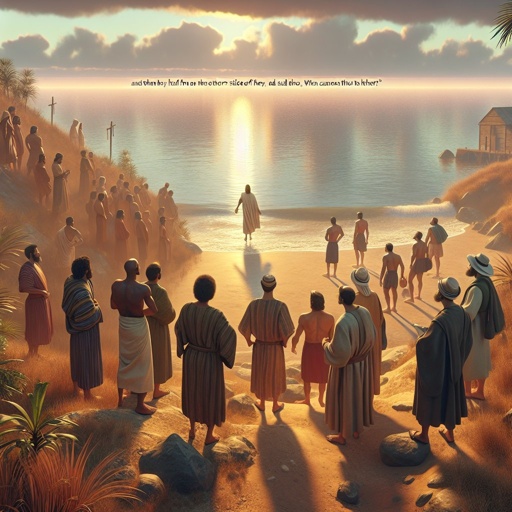
John 6:25 - "And when they had found him on the other side of the sea, they said unto him, Rabbi, when camest thou hither?"
"And when they had found him on the other side of the sea, they said unto him, Rabbi, when camest thou hither?" - John 6:25

Mark 6:25 - "And she came in straightway with haste unto the king, and asked, saying, I will that thou give me by and by in a charger the head of John the Baptist."

John 18:25

John 12:25

John 15.12-25

John 21:25

John 19:25-27

John 19:25-27
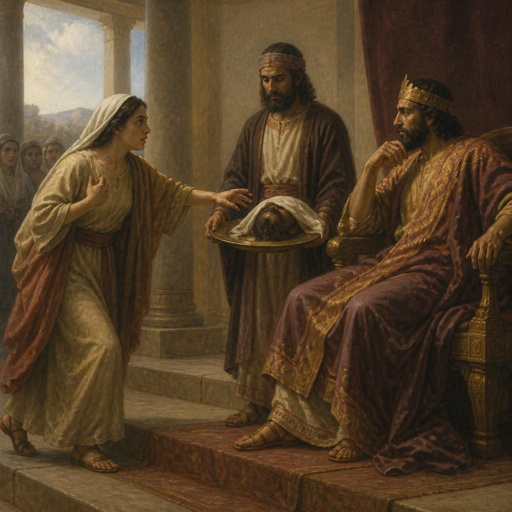
"And she came in straightway with haste unto the king, and asked, saying, I will that thou give me by and by in a charger the head of John the Baptist." - Mark 6:25

John 19:25-27 with emphasis on Mary
John 1:6 - "¶ There was a man sent from God, whose name was John."

John 6:63

John 6:63

John 7:25 - "Then said some of them of Jerusalem, Is not this he, whom they seek to kill?"

Genesis 25-6

John 6:63

John 6:63

John 3:25 - "¶ Then there arose a question between some of John's disciples and the Jews about purifying."

John 2:25 - "And needed not that any should testify of man: for he knew what was in man."

1 John 2:25 - "And this is the promise that he hath promised us, even eternal life."

John 13:25 - "He then lying on Jesus' breast saith unto him, Lord, who is it?"
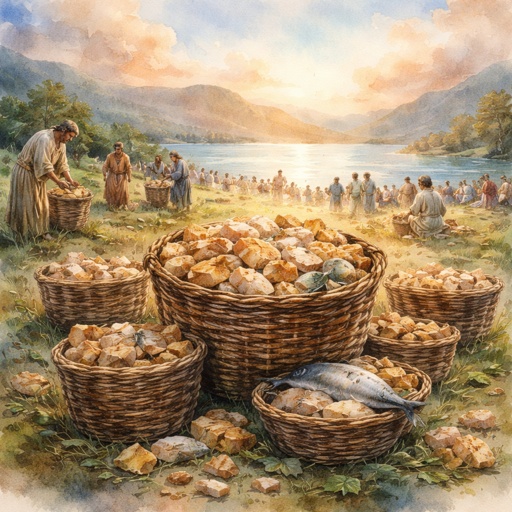
John 6:12

John 6:40

John 21:6

John 14:6

Joshua 6:17-25

John 14:25 - "These things have I spoken unto you, being yet present with you."

Matthew 6:25 – 34

John 21:6