What does John 6:35 mean?
“And Jesus said unto them, I am the bread of life: he that cometh to me shall never hunger; and he that believeth on me shall never thirst.” — John 6:35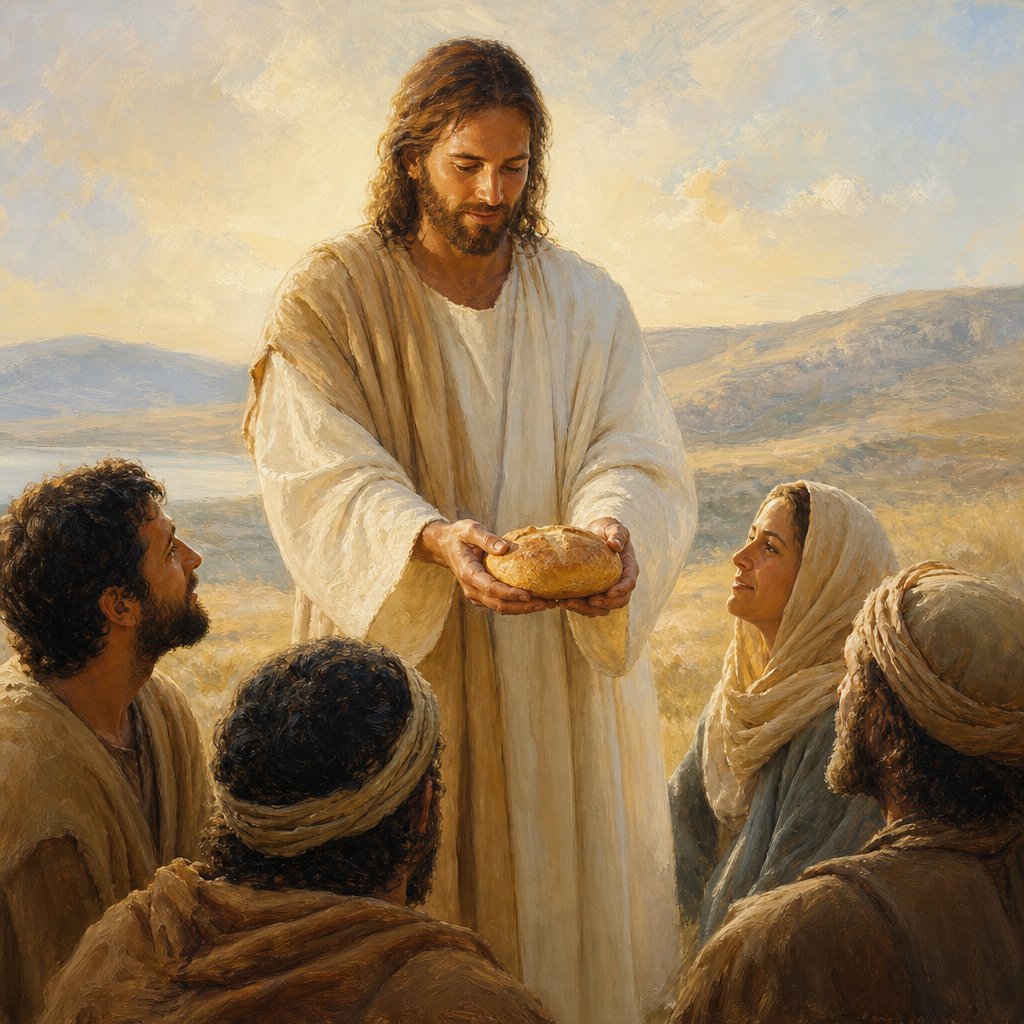
John 6:35 in the King James Version reads, “And Jesus said unto them, I am the bread of life: he that cometh to me shall never hunger; and he that believeth on me shall never thirst.” Its meaning turns on who is speaking, what has just happened, and what Jesus is claiming about himself when he calls himself “the bread of life.”
The immediate setting in John 6 is a public moment of need and provision. Earlier in the chapter Jesus feeds a great multitude with loaves and fishes, and the next day the crowd seeks him again. They have experienced full stomachs and are drawn to the one who can meet their physical lack. In that atmosphere Jesus moves the conversation from what is temporary to what is eternal. The verse stands as a pivot: the people are thinking in terms of food that perishes, while Jesus reveals that the deeper hunger of man is spiritual, and that God’s true provision is not merely bread in the hand but a person to be received. When Jesus says, “I am the bread of life,” he is not offering another gift alongside himself; he is presenting himself as God’s essential provision for human life before God.
The phrase “I am” carries the weight of divine self-disclosure throughout this Gospel. It is not only a way of identifying himself but a solemn form of speech that signals authority and identity. Jesus does not say, “I will give you bread,” but, “I am the bread.” Bread is ordinary, necessary, and daily; it is not a luxury but a staple. By choosing this image, Jesus speaks of himself as necessary for life in the deepest sense. Bread sustains life; without it there is weakness and death. In the same way, Jesus declares that true life is sustained by him. “Of life” does not merely mean bread that supports physical existence, but bread that belongs to life in its fullest sense, life as God intends it, life that endures.
The symbolism of bread also reaches back into Israel’s history. God fed Israel with manna in the wilderness, bread given from heaven, and the people lived by God’s provision day by day. Jesus’ words in John 6 come in that shadow. The crowd, still impressed by the miracle of loaves, is prepared to think of another manna-like supply. But Jesus directs them beyond the sign to the reality the sign points toward. In effect, the old wilderness bread kept bodies alive for a time; the bread Jesus speaks of meets the need of the soul and belongs to an unending life. Thus the verse carries a quiet contrast between provisional provision and final provision, between what can be gathered today and what must be received as God’s lasting gift.
Jesus then explains what it means to partake of this bread by using two parallel expressions: “he that cometh to me” and “he that believeth on me.” The promise is the same in two images: “shall never hunger” and “shall never thirst.” Coming and believing interpret each other. To come to Christ is not merely to approach him physically, as the crowds did, but to come in the sense of turning toward him with trust, dependence, and surrender. To “believeth on me” is more than agreeing with facts; it is reliance placed upon him. In John’s language, belief is personal and directional, faith resting “on” Christ. The verse therefore defines the way this bread is received: not by purchase, not by labor, not by merit, but by coming and believing.
The promises “shall never hunger” and “shall never thirst” do not mean that a believer will never feel desires, needs, or longings in ordinary life. The language is about ultimate satisfaction and the end of spiritual famine. Hunger and thirst in Scripture often point to the inward lack that no created thing can finally fill: the need for God, forgiveness, righteousness, and life. Jesus claims to meet that lack at its root. The one who comes to him will not be left in the state of spiritual emptiness, always searching and never finding. There is a fullness in Christ that answers the deepest necessity of the heart. The promise is absolute in its scope because the provision is Christ himself, and he is sufficient. It is also lasting: bread must be eaten again tomorrow, but the life Christ gives is not a fragile supply that runs out. The satisfaction is secure because it rests on who he is, not on the changing abundance of outward circumstances.
The pairing of hunger and thirst deepens the theme. Bread answers hunger; drink answers thirst; together they describe the whole spectrum of need. Jesus claims to be the complete answer. In the same chapter he speaks repeatedly of what is “from heaven,” which highlights that the remedy for man’s deepest need does not rise from the earth. Human effort, religious performance, and worldly abundance can distract hunger for a moment, but they cannot cure it. Christ presents himself as the heaven-sent provision that truly reaches the soul. The physical miracle of feeding the multitude becomes a living parable: as bread multiplied in their hands, so life is offered in his person.
John 6:35 is therefore significant not only as comfort but as revelation and invitation. It reveals Jesus’ identity as God’s provision for life, it exposes the difference between seeking Christ for temporary benefits and seeking him as the soul’s true food, and it invites a response defined by “cometh” and “believeth.” The verse presses the question that the whole chapter develops: will one come to Christ for loaves, or come to Christ for Christ? In KJV language, the meaning rests in the simplicity of the claim and the grandeur of the promise: Jesus is the bread; to come is to be fed; to believe is to drink; and the result is a satisfaction that the world cannot give and cannot take away.
Get our apps


Artwork for John 6:35
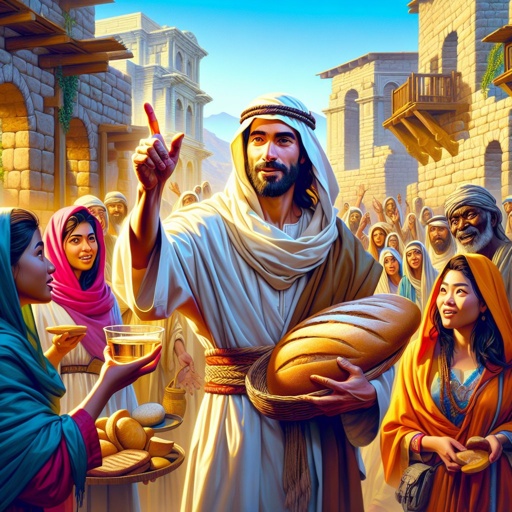
John 6:35 - "And Jesus said unto them, I am the bread of life: he that cometh to me shall never hunger; and he that believeth on me shall never thirst."
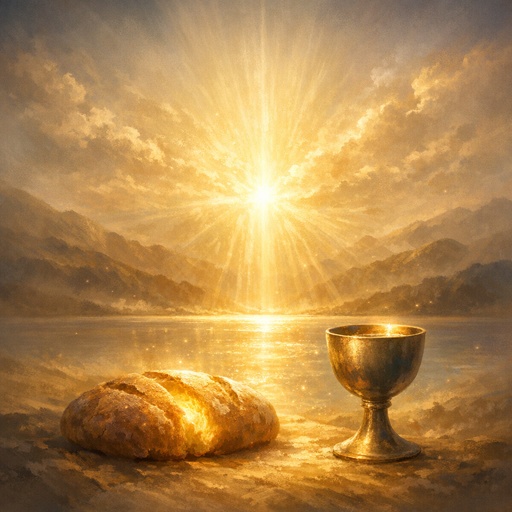
"And Jesus said unto them, I am the bread of life: he that cometh to me shall never hunger; and he that believeth on me shall never thirst." - John 6:35
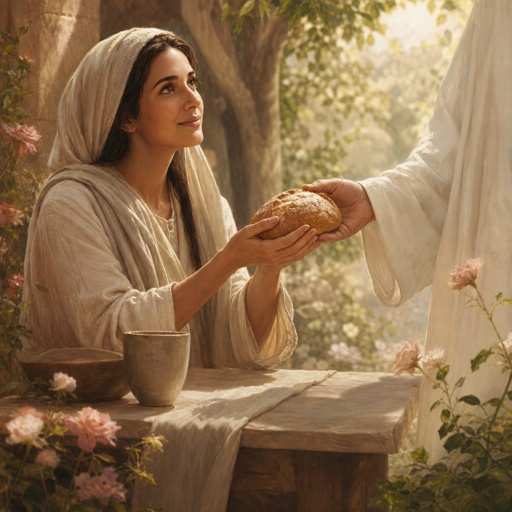
"And Jesus said unto them, I am the bread of life: he that cometh to me shall never hunger; and he that believeth on me shall never thirst." - John 6:35
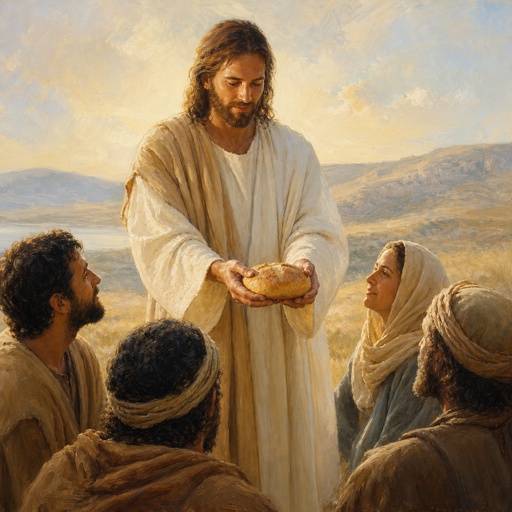
"And Jesus said unto them, I am the bread of life: he that cometh to me shall never hunger; and he that believeth on me shall never thirst." - John 6:35

John (11:35) Jesus wept.

John (11:35) Jesus wept.

John (11:35) Jesus wept.

John (11:35) Jesus wept.
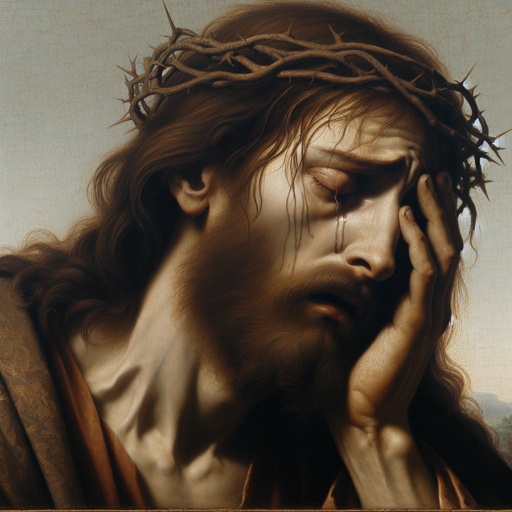
John (11:35) Jesus wept.

John (11:35) Jesus wept.

John 11:35

John 11:35
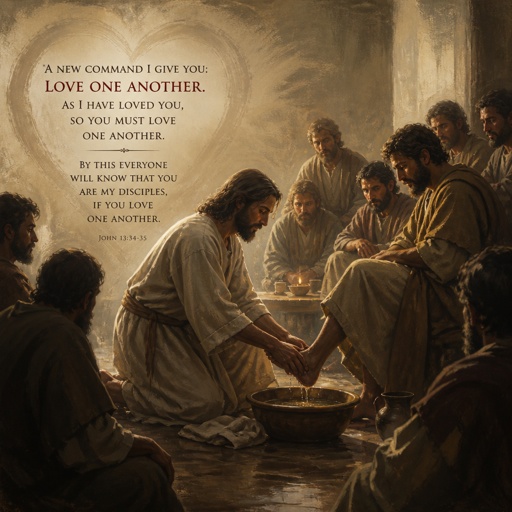
John 13: 34-35

John 1:35 - "¶ Again the next day after John stood, and two of his disciples;"

John (11:35) Jesus wept.

John (11:35) Jesus wept.

John (11:35) Jesus wept.
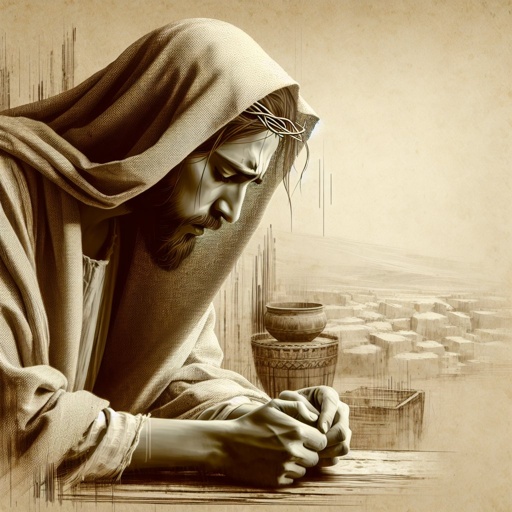
John 11:35 - "Jesus wept."

John (11:35) Jesus wept.

John (11:35) Jesus wept.

John (11:35) Jesus wept.

John (11:35) Jesus wept.
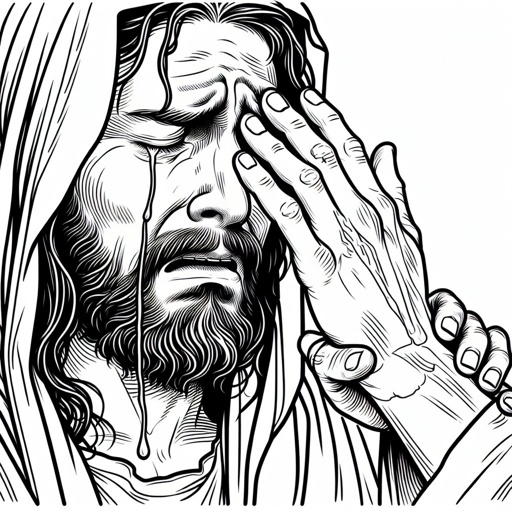
John (11:35) Jesus wept.

John 13:31-35

"Jesus wept." - John 11:35

John 8:35 - "And the servant abideth not in the house for ever: but the Son abideth ever."

John 3:35 - "The Father loveth the Son, and hath given all things into his hand."

"¶ Again the next day after John stood, and two of his disciples;" - John 1:35

John 10:35 - "If he called them gods, unto whom the word of God came, and the scripture cannot be broken;"

John 5:35 - "He was a burning and a shining light: and ye were willing for a season to rejoice in his light."