What does John 6:9 mean?
“There is a lad here, which hath five barley loaves, and two small fishes: but what are they among so many?” — John 6:9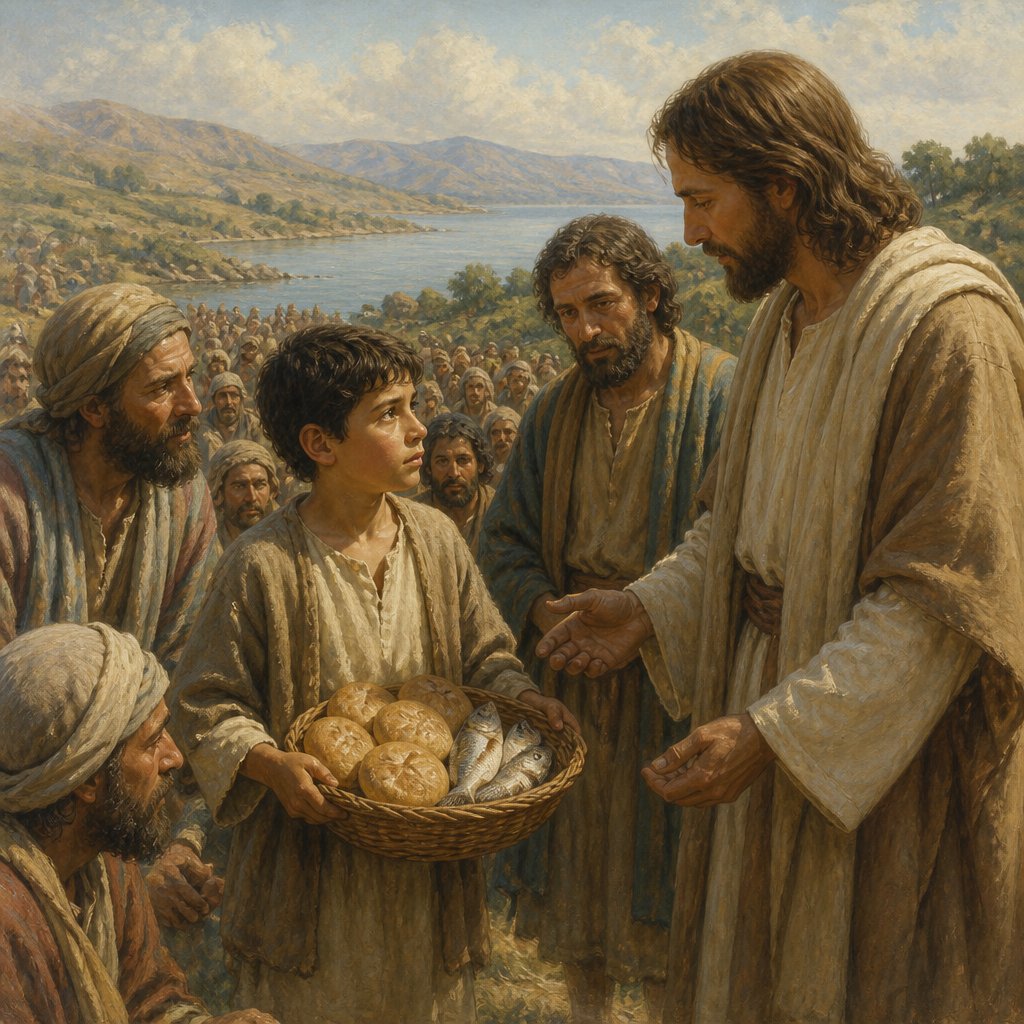
John 6:9 in the King James Version (KJV) of the Bible reads, "There is a lad here, which hath five barley loaves, and two small fishes: but what are they among so many?"
This verse is a part of the story of Jesus feeding the five thousand, which is found in the sixth chapter of the Gospel of John. This particular verse occurs at a crucial moment in the narrative, as the disciples are faced with the problem of how to feed a large crowd with very little food. This verse serves as a precursor to the miraculous multiplication of the loaves and fishes, and it highlights the theme of faith and trust in God's providence.
The context of John 6:9 is important in understanding its significance. In the previous verses, Jesus had retreated to the mountainside with his disciples after a large crowd had gathered to see him perform miracles. As the day was coming to a close, Jesus asked Philip, one of his disciples, where they could buy bread to feed the multitude. Philip responded that it would take a large amount of money to buy enough bread to feed such a large crowd. Andrew, another disciple, then spoke up and mentioned that there was a boy present who had five barley loaves and two small fish, but he expressed doubt as to whether this would be sufficient.
The theme of faith and trust in God's providence is central to the meaning of John 6:9. The disciples were faced with a seemingly insurmountable problem - how to feed a crowd of five thousand with only a small amount of food. The mention of the boy with the loaves and fishes serves as a reminder that even in the face of scarcity, God is able to provide abundantly. The lad's willingness to offer what little he had demonstrates a simple yet profound faith in God's ability to work miracles. This theme is echoed throughout the Bible, reminding believers to trust in God's provision and to offer what they have, no matter how small, knowing that God can multiply their offerings and use them for his glory.
The symbolic significance of the five barley loaves and two small fishes has also been a point of theological reflection for many scholars. The number five often represents God's grace and kindness in the Bible, and barley was considered to be a humble, inexpensive food in ancient times. The two small fishes also represent the meager resources available to the boy. In this way, the loaves and fishes symbolize human weakness and inadequacy in contrast to God's strength and abundance. The miraculous multiplication of the loaves and fishes highlights the power and sovereignty of God, as well as his ability to bring forth abundance from scarcity.
Furthermore, the verse raises questions about the nature of miracles and the role of human agency in God's work. The fact that there was a boy present who was willing to offer his meager provisions enabled Jesus to perform the miraculous feeding. This suggests that God often chooses to work through the actions and offerings of ordinary people, using their small acts of faith to bring about his purposes. It also emphasizes the importance of being willing to offer what we have to God, regardless of how insignificant it may seem. This theme of human cooperation with divine action is a recurring motif throughout the Bible, underscoring the idea that God often chooses to work in and through the lives of those who are willing to trust and obey him.
In conclusion, John 6:9 is a verse that holds deep theological and spiritual significance. It serves as a reminder of the power of God to provide abundantly in the face of scarcity, and it highlights the importance of faith and trust in God's providence. The verse also symbolically represents the themes of human weakness and inadequacy in contrast to God's strength and abundance, as well as the role of human cooperation with divine action. Ultimately, John 6:9 invites believers to trust in God's provision, to offer what they have in faith, and to be open to the miraculous ways in which God can work in and through their lives.
Get our apps


Artwork for John 6:9

John 6:9 - "There is a lad here, which hath five barley loaves, and two small fishes: but what are they among so many?"
"There is a lad here, which hath five barley loaves, and two small fishes: but what are they among so many?" - John 6:9

John 6:8-9

John 9:6 - "When he had thus spoken, he spat on the ground, and made clay of the spittle, and he anointed the eyes of the blind man with the clay,"
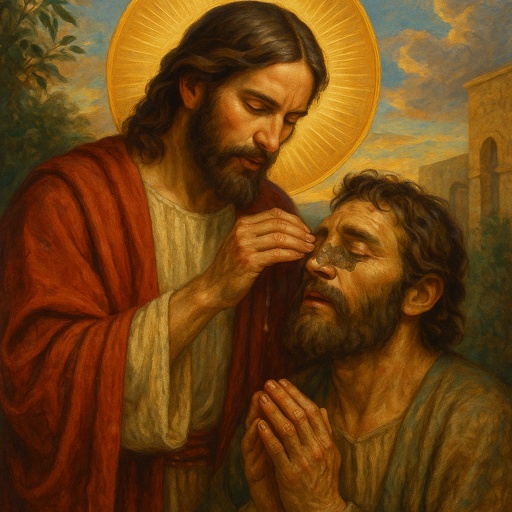
"When he had thus spoken, he spat on the ground, and made clay of the spittle, and he anointed the eyes of the blind man with the clay," - John 9:6

John 1:6 - "¶ There was a man sent from God, whose name was John."

John 6:63

John 6:63

John 9:6-7 - "After saying this, he spit on the ground, made some mud with the saliva, and put it on the man’s eyes. "Go," he told him, "wash in the Pool of Siloam" (this word means "Sent"). So the man went and washed, and came home seeing."

John 6:63

John 6:63

john 21:9
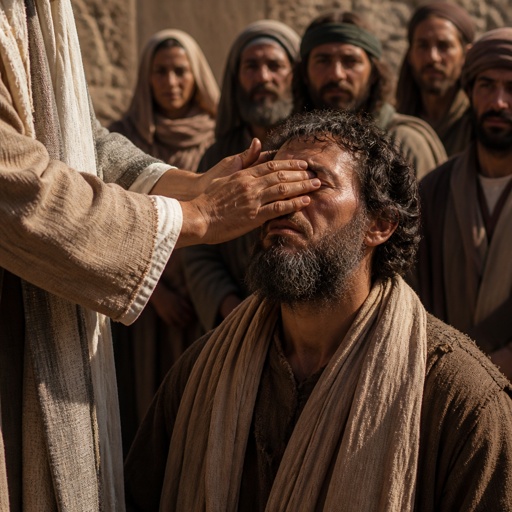
John 9:10

John 10:9

John 10:9

John 10:9
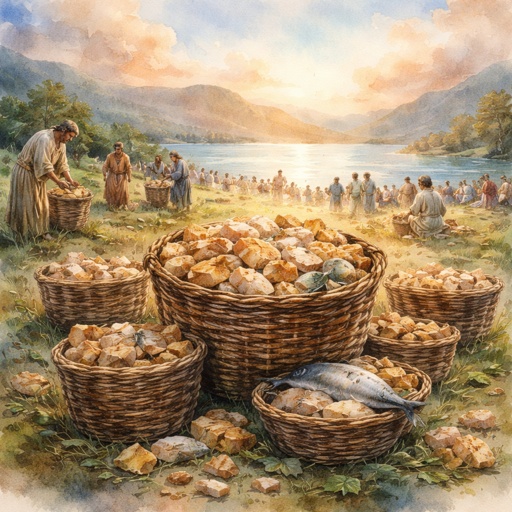
John 6:12

John 6:40

John 21:6

John 14:6

John 6:16

John 21:6

John 6:37

John 21:6

John 21:6

John 6:40

John 9:1-3

John 13:4-9

John 9:1-41

1 John 1:9