What does John 6:42 mean?
“And they said, Is not this Jesus, the son of Joseph, whose father and mother we know? how is it then that he saith, I came down from heaven?” — John 6:42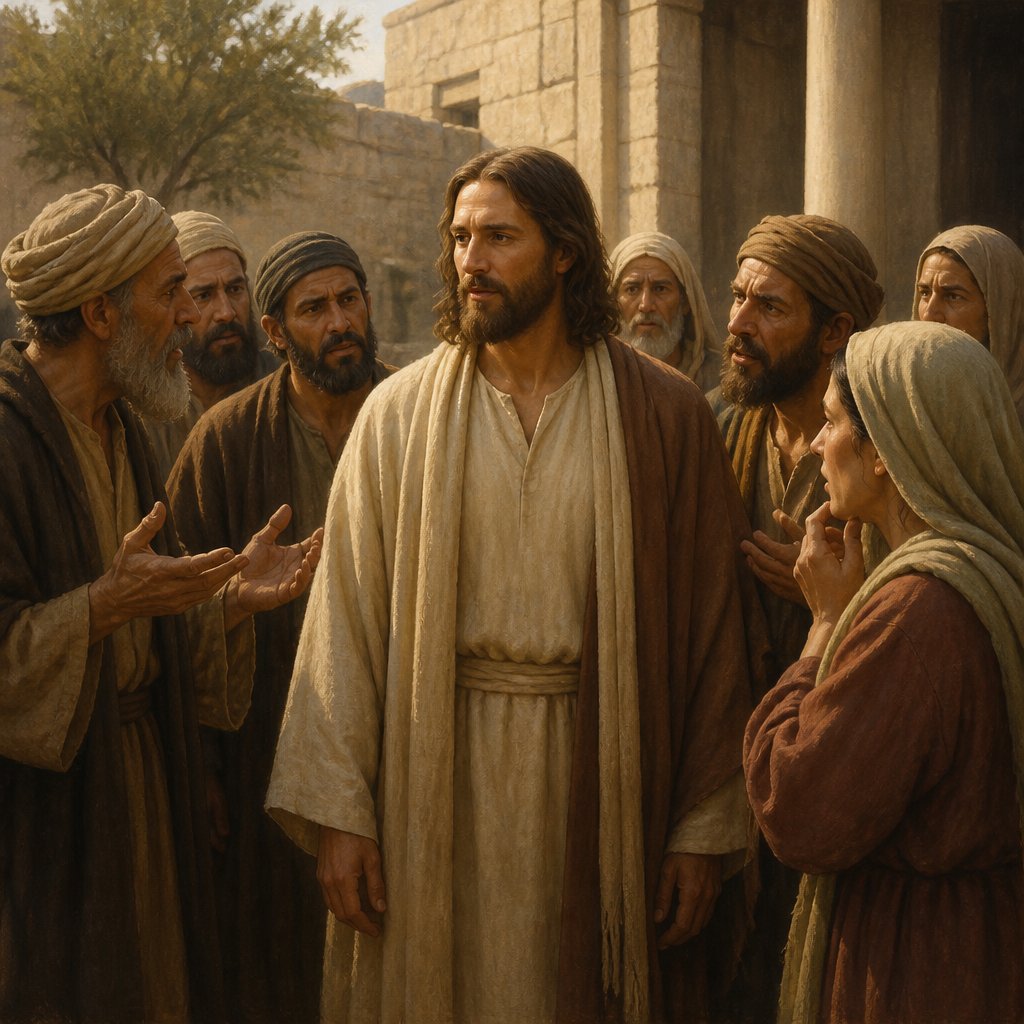
John 6:42 from the King James Version (KJV) of the Bible reads: "And they said, Is not this Jesus, the son of Joseph, whose father and mother we know? how is it then that he saith, I came down from heaven?" This verse occurs within the broader context of Jesus' discourse on the bread of life, in which he addresses a crowd of followers who had been miraculously fed by him with loaves and fishes. In this verse, the crowd expresses confusion and doubt about Jesus' claims to have come down from heaven, questioning how a man they knew as the son of Joseph could make such bold assertions.
The themes present in this verse include doubt, disbelief, the identity of Jesus, and the tension between the physical and spiritual aspects of Jesus' being. The crowd's skepticism towards Jesus' divine origin reflects a common response to his teachings and actions throughout the gospels. Despite witnessing his miracles and hearing his words, many people struggled to accept Jesus as the Son of God, especially because of his humble origins as the son of a carpenter.
Contextually, the crowd's disbelief in Jesus' heavenly origin is part of a broader pattern of misunderstanding and rejection of his message. Throughout the book of John, we see Jesus repeatedly facing opposition and disbelief from various groups of people, including the religious leaders, his own family, and even his disciples. This verse is a microcosm of the larger struggle Jesus faced in convincing people of his divinity and the true nature of his mission.
Symbolism is also present in this verse, as it highlights the tension between the earthly and heavenly realms. Jesus' claim to have come down from heaven challenges the crowd's understanding of his identity and purpose. The reference to Joseph as Jesus' father serves as a reminder of his human lineage, while the assertion of his heavenly origin points to his divine nature. This tension between Jesus' earthly and heavenly identities is a central theme in the New Testament, and this verse serves as a poignant example of the challenges people faced in reconciling these two aspects of Jesus' being.
In interpreting this verse, it is important to consider the broader theological implications of Jesus' claims about his heavenly origin. For Christians, Jesus' assertion of divine origin is fundamental to their belief in his identity as the Son of God and the Savior of humanity. This verse presents an opportunity for reflection on the nature of faith and the obstacles that can prevent people from fully accepting Jesus' message. It also challenges readers to consider their own preconceptions and biases when it comes to understanding and accepting the truth of Jesus' identity.
In conclusion, John 6:42 offers a compelling glimpse into the challenges Jesus faced in convincing people of his divine nature. The theme of doubt and disbelief, the context of opposition to Jesus' teachings, and the symbolism of his earthly and heavenly identities all contribute to a rich and complex understanding of this verse. It invites readers to grapple with the profound theological implications of Jesus' claims and consider the ways in which their own faith may be tested in similar ways.
Get our apps


Artwork for John 6:42

John 6:42 - "And they said, Is not this Jesus, the son of Joseph, whose father and mother we know? how is it then that he saith, I came down from heaven?"
"And they said, Is not this Jesus, the son of Joseph, whose father and mother we know? how is it then that he saith, I came down from heaven?" - John 6:42

John 1 29-42

John 1 29-42

John 10:42 - "And many believed on him there."

John 1 29-42

John 1 29-42

"And many believed on him there." - John 10:42

John 5:42 - "But I know you, that ye have not the love of God in you."

John 19:42 - "There laid they Jesus therefore because of the Jews' preparation day; for the sepulchre was nigh at hand."

Mark 6:42 - "And they did all eat, and were filled."

John 7:42 - "Hath not the scripture said, That Christ cometh of the seed of David, and out of the town of Bethlehem, where David was?"

1 Chronicles 6:42 - "The son of Ethan, the son of Zimmah, the son of Shimei,"

Job 42:6 - "Wherefore I abhor myself, and repent in dust and ashes."

John 11:42 - "And I knew that thou hearest me always: but because of the people which stand by I said it, that they may believe that thou hast sent me."

"And they did all eat, and were filled." - Mark 6:42
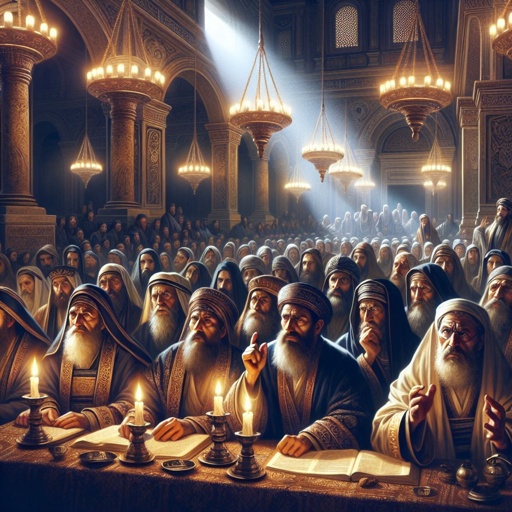
John 12:42 - "¶ Nevertheless among the chief rulers also many believed on him; but because of the Pharisees they did not confess him, lest they should be put out of the synagogue:"

"But I know you, that ye have not the love of God in you." - John 5:42

John 4:42 - "And said unto the woman, Now we believe, not because of thy saying: for we have heard him ourselves, and know that this is indeed the Christ, the Saviour of the world."

2 Chronicles 6:42 - "O LORD God, turn not away the face of thine anointed: remember the mercies of David thy servant."

John 7:42 Has not the Scripture said that the Christ comes from the seed of David and from the town of Bethlehem, where David was?”
John 1:6 - "¶ There was a man sent from God, whose name was John."

"There laid they Jesus therefore because of the Jews' preparation day; for the sepulchre was nigh at hand." - John 19:42

John 6:63

John 6:63

John 1:42 - "And he brought him to Jesus. And when Jesus beheld him, he said, Thou art Simon the son of Jona: thou shalt be called Cephas, which is by interpretation, A stone."

"Wherefore I abhor myself, and repent in dust and ashes." - Job 42:6

"The son of Ethan, the son of Zimmah, the son of Shimei," - 1 Chronicles 6:42

Ezekiel 42:6 - "For they were in three stories, but had not pillars as the pillars of the courts: therefore the building was straitened more than the lowest and the middlemost from the ground."

John 6:63