What does John 7:41 mean?
“Others said, This is the Christ. But some said, Shall Christ come out of Galilee?” — John 7:41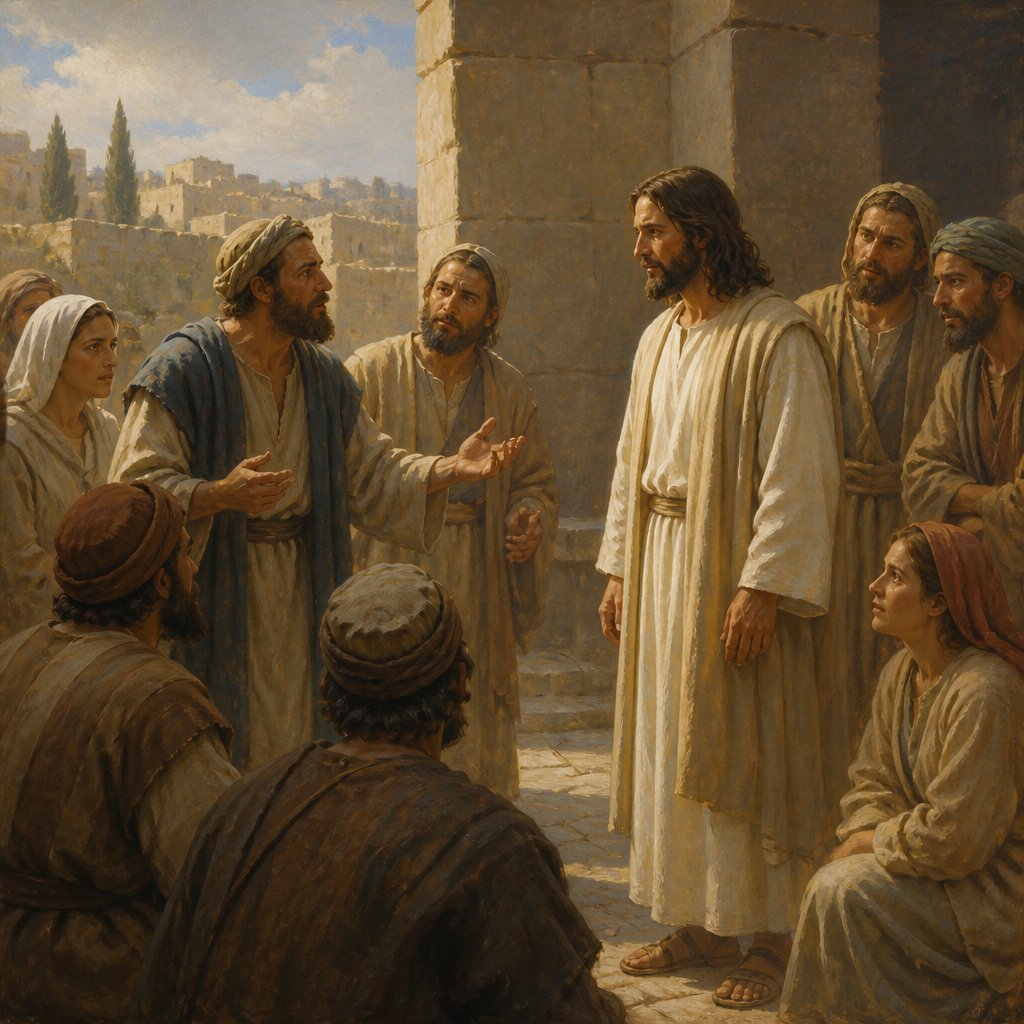
John 7:41 (KJV) "Others said, This is the Christ. But some said, Shall Christ come out of Galilee?"
In this verse from the Gospel of John, we see a debate among the people regarding the identity of Jesus. Some believe that he is the Christ, the long-awaited Messiah, while others question this belief based on his hometown of Galilee. This verse reflects the ongoing confusion and controversy surrounding Jesus' identity and the fulfillment of Messianic prophecies.
The theme of identity and belief is central to this verse. The people are grappling with a fundamental question: who is Jesus? Is he the promised Messiah, the Savior of the world, or is he just a man from a humble and insignificant town? This debate underscores the tension between faith and doubt, between belief and skepticism. It is a timeless struggle that continues to be relevant in the modern world, as people grapple with questions of faith and the search for meaning and purpose in their lives.
The context of this verse is important for understanding the significance of the debate. At this point in the Gospel of John, Jesus has been performing miracles and teaching with authority, drawing crowds and sparking curiosity and controversy. The Jewish leaders are divided over his claims and teachings, and the people are also divided in their opinions about him. The debate over Jesus' identity is a recurring theme in the Gospels, reflecting the diverse reactions and responses to his ministry and message.
The use of the term "Christ" in this verse is significant. The title "Christ" is derived from the Greek word "Christos," which means "anointed one." It is a reference to the Jewish expectation of a Messiah who would be anointed by God to deliver His people. The belief in a coming Messiah was deeply rooted in Jewish religious and cultural traditions, and it was a source of hope and longing for liberation and salvation. The debate over whether Jesus could be the Christ reflects the profound significance of this title and the Messianic expectations of the people.
The mention of Galilee in this verse is also significant. Galilee was a region in the northern part of Israel, known for its rural and provincial character. It was not a place associated with political power or religious authority. The fact that Jesus hailed from Galilee was a stumbling block for some people, as they struggled to reconcile their expectations of a royal and triumphant Messiah with the humble origins of Jesus. This debate over the significance of Jesus' hometown points to the tension between the earthly and divine aspects of Jesus' identity, as well as the challenge of recognizing God's presence in unexpected and ordinary circumstances.
The symbolism in this verse can be interpreted in several ways. On one level, the debate over Jesus' identity can be seen as a reflection of the human tendency to impose our own expectations and limitations on God. The people who questioned Jesus' identity based on his hometown were unable to see beyond their preconceived notions and prejudices, and they missed the opportunity to recognize the divine presence in their midst. This serves as a cautionary tale about the danger of allowing our biases and assumptions to hinder our ability to perceive God's work in the world.
On a deeper level, the debate over Jesus' identity can be seen as a call to examine our own beliefs and assumptions about God. It challenges us to confront the ways in which we may limit God's power and presence based on our own expectations and desires. It invites us to open our hearts and minds to the possibility that God may be at work in unexpected and unconventional ways, and that the true identity of Jesus may surpass our human understanding and categories.
In conclusion, John 7:41 presents a profound and thought-provoking exploration of the themes of identity, belief, and Messianic expectations. It invites us to consider the ways in which we may limit our understanding of God and his work in the world, and it challenges us to open our hearts and minds to the possibility of encountering the divine in unexpected and extraordinary ways. This verse continues to inspire reflection and contemplation, as we seek to deepen our understanding of Jesus and his significance in our lives.
Get our apps


Artwork for John 7:41

John 7:41 - "Others said, This is the Christ. But some said, Shall Christ come out of Galilee?"
"Others said, This is the Christ. But some said, Shall Christ come out of Galilee?" - John 7:41

John 10:41 - "And many resorted unto him, and said, John did no miracle: but all things that John spake of this man were true."

John 9:1-41

John 5:41 - "I receive not honour from men."

John 4:41 - "And many more believed because of his own word;"

Mark 10:41 - "And when the ten heard it, they began to be much displeased with James and John."

Luke 7:41-47

John 12:41 - "These things said Esaias, when he saw his glory, and spake of him."
"I receive not honour from men." - John 5:41

Nehemiah 7:41 - "The children of Pashur, a thousand two hundred forty and seven."

John 6:41 - "The Jews then murmured at him, because he said, I am the bread which came down from heaven."

John 19:41 - "Now in the place where he was crucified there was a garden; and in the garden a new sepulchre, wherein was never man yet laid."

"And many resorted unto him, and said, John did no miracle: but all things that John spake of this man were true." - John 10:41
"And many more believed because of his own word;" - John 4:41

John 8:41 - "Ye do the deeds of your father. Then said they to him, We be not born of fornication; we have one Father, even God."

Job 41:7 - "Canst thou fill his skin with barbed irons? or his head with fish spears?"

"And when the ten heard it, they began to be much displeased with James and John." - Mark 10:41

John 1:41 - "He first findeth his own brother Simon, and saith unto him, We have found the Messias, which is, being interpreted, the Christ."

Psalms 41:7 - "All that hate me whisper together against me: against me do they devise my hurt."

Acts 7:41 - "And they made a calf in those days, and offered sacrifice unto the idol, and rejoiced in the works of their own hands."

Genesis 41:7 - "And the seven thin ears devoured the seven rank and full ears. And Pharaoh awoke, and, behold, it was a dream."

John 9:41 - "Jesus said unto them, If ye were blind, ye should have no sin: but now ye say, We see; therefore your sin remaineth."
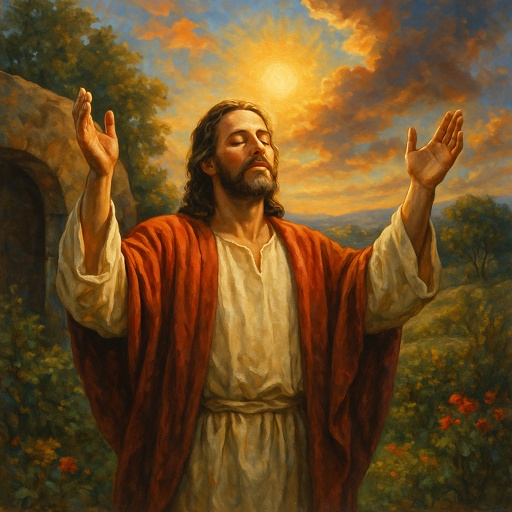
"Then they took away the stone from the place where the dead was laid. And Jesus lifted up his eyes, and said, Father, I thank thee that thou hast heard me." - John 11:41
John 7:38

John 15:7

John 7:38

Luke 7:41 - "There was a certain creditor which had two debtors: the one owed five hundred pence, and the other fifty."

John 7:38

John 15:7