
John 7:53 in the King James Version of the Bible reads: "And every man went unto his own house."
This verse is the conclusion of the seventh chapter of the Gospel of John, which narrates the events of the Feast of Tabernacles in Jerusalem. This chapter depicts Jesus' public ministry and his conflict with the religious authorities of the time. The verse itself is short and appears to be a simple statement about people returning to their homes after the events of the feast. However, a closer examination reveals deeper meanings and contextual significance.
The Feast of Tabernacles was one of the three pilgrimage festivals in Judaism, and it commemorated the time when the Israelites wandered in the desert for 40 years, living in booths or tabernacles. It was a time of celebration and thanksgiving for the harvest, as well as a reminder of God's provision and protection. The feast was also a time of great expectation and longing for the coming of the Messiah, who would deliver the people and fulfill the promises of God.
In the context of John 7:53, the verse serves as a transition from the events of the feast to the following chapters, which continue to highlight Jesus' teachings, conflicts, and miracles. However, the placement of this verse in the narrative is significant. It follows the account of Jesus' powerful teaching in the temple, where he proclaimed himself as the living water and the light of the world. It also follows the confrontation with the religious authorities who sought to arrest him, highlighting the growing tension and division among the people regarding Jesus' identity and message.
The verse can also be seen as a reflection of the response of the people to Jesus' teachings and presence during the feast. While some believed in him and recognized him as the Messiah, others remained skeptical or hostile towards him. The statement "every man went unto his own house" can be interpreted as a metaphor for the spiritual response of the people to Jesus. It suggests that each person returned to their own beliefs, perspectives, and concerns, without a collective response to Jesus' message.
Symbolically, the verse may also carry a deeper meaning. The idea of returning to one's own house can symbolize the journey of self-reflection, introspection, and spiritual contemplation. It suggests that each person must confront their own beliefs, doubts, and questions about Jesus and his identity. It also implies a call to personal responsibility and decision-making regarding faith and discipleship.
Furthermore, the verse may also allude to the overarching theme of division and unity in the Gospel of John. Throughout the gospel, there is a tension between belief and unbelief, light and darkness, unity and division. The people's response to Jesus is a central theme, as some believe in him while others reject him. This verse serves as a reflection of this tension, highlighting the diversity of responses to Jesus' ministry and the challenge of personal faith and commitment.
In conclusion, John 7:53 in the King James Version of the Bible carries deeper meanings and significance within the context of the Gospel of John. It serves as a transitional statement in the narrative, reflecting the response of the people to Jesus' teachings and presence. Symbolically, it conveys a call to personal introspection and decision-making regarding faith, as well as the overarching theme of division and unity in the gospel. Overall, the verse invites readers to consider their own responses to Jesus and the implications of his message for their lives.
Get our apps


Artwork for John 7:53

John 7:53 - "And every man went unto his own house."

"And every man went unto his own house." - John 7:53

John 11:53 - "Then from that day forth they took counsel together for to put him to death."

Nehemiah 7:53 - "The children of Bakbuk, the children of Hakupha, the children of Harhur,"

Acts 7:53 - "Who have received the law by the disposition of angels, and have not kept it."
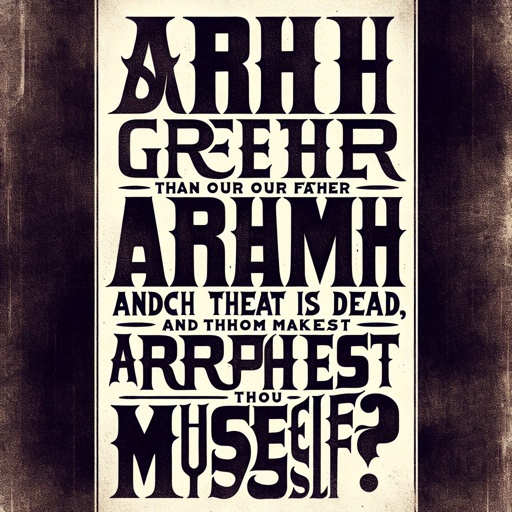
John 8:53 - "Art thou greater than our father Abraham, which is dead? and the prophets are dead: whom makest thou thyself?"

John 4:53 - "So the father knew that it was at the same hour, in the which Jesus said unto him, Thy son liveth: and himself believed, and his whole house."

"The children of Bakbuk, the children of Hakupha, the children of Harhur," - Nehemiah 7:53

"Then from that day forth they took counsel together for to put him to death." - John 11:53

Numbers 7:53 - "And for a sacrifice of peace offerings, two oxen, five rams, five he goats, five lambs of the first year: this was the offering of Elishama the son of Ammihud."
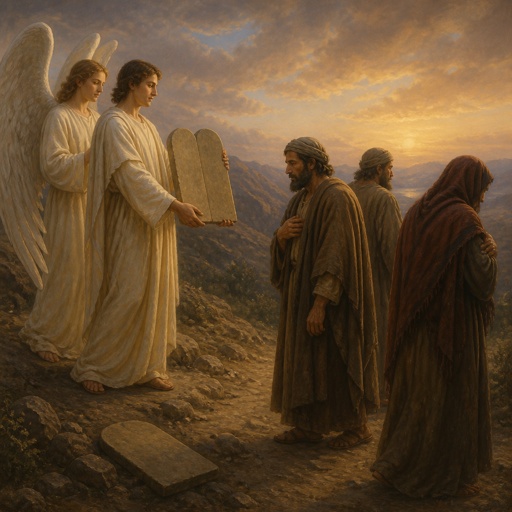
"Who have received the law by the disposition of angels, and have not kept it." - Acts 7:53

Isaiah 53:7 - "He was oppressed, and he was afflicted, yet he opened not his mouth: he is brought as a lamb to the slaughter, and as a sheep before her shearers is dumb, so he openeth not his mouth."
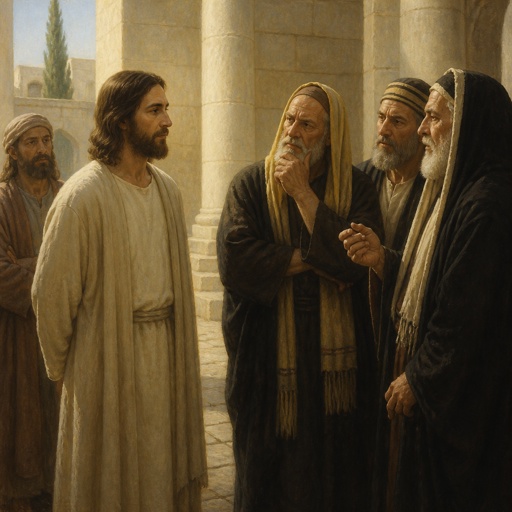
"Art thou greater than our father Abraham, which is dead? and the prophets are dead: whom makest thou thyself?" - John 8:53
John 7:38

John 15:7

John 7:38

Isaiah53:3-7

John 15:7

John 7:38

John 7:38

John 7:17-18

John 7:37-39

John 7:17-18

John 7:37-39

John 7:17-18

John 7:17-18

John 7:38
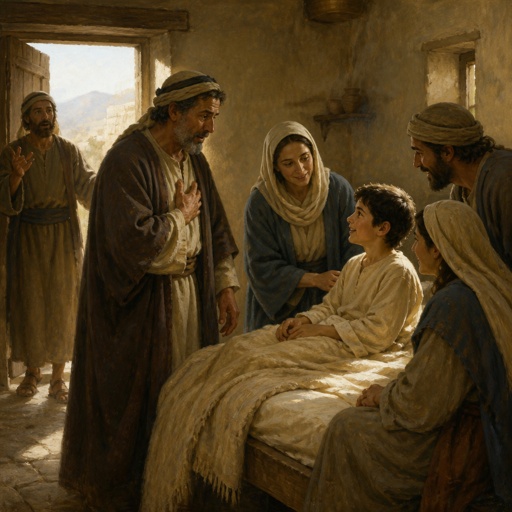
"So the father knew that it was at the same hour, in the which Jesus said unto him, Thy son liveth: and himself believed, and his whole house." - John 4:53

John 7:38

John 7:38