What does John 7:9 mean?
“When he had said these words unto them, he abode still in Galilee.” — John 7:9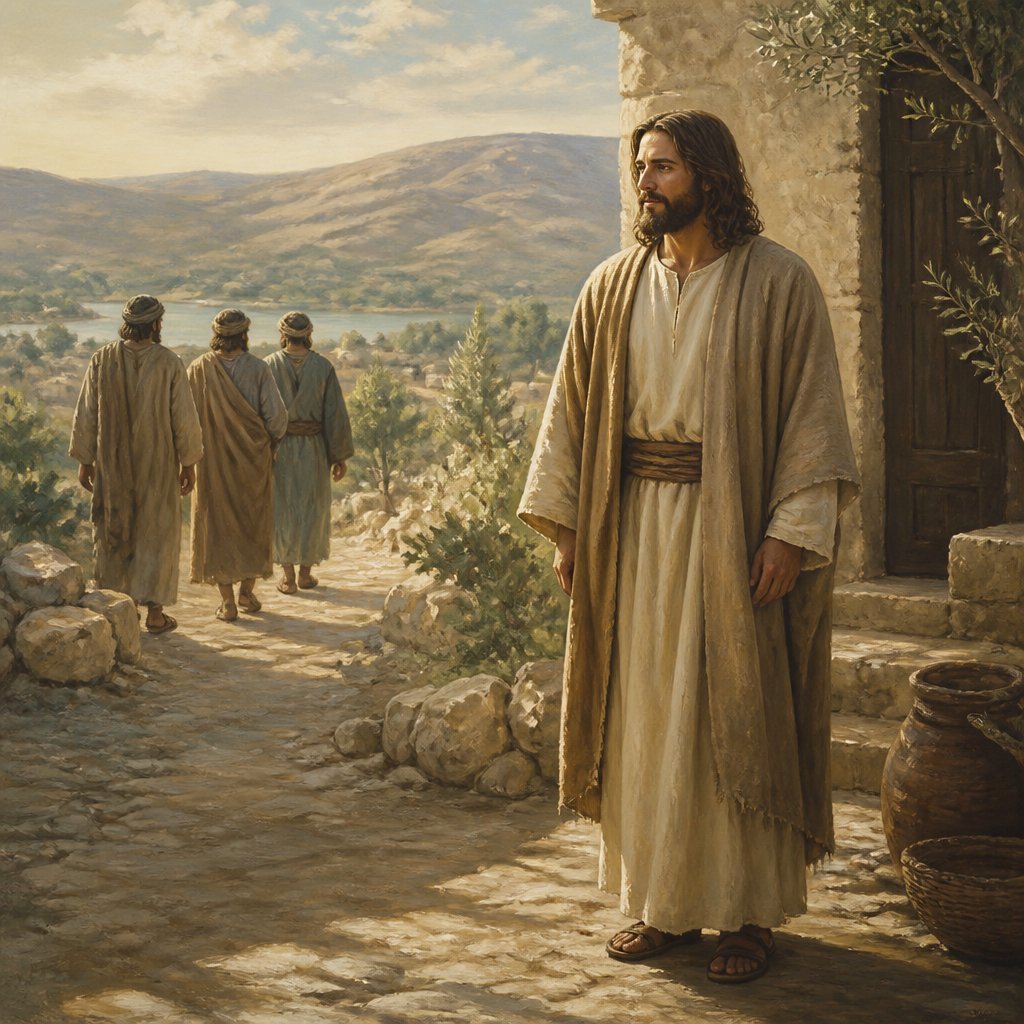
John 7:9 (KJV) - "When he had said these words unto them, he abode still in Galilee."
Context:
This verse takes place during the Feast of Tabernacles in Jerusalem. Jesus had been preaching and performing miracles throughout Galilee, gaining attention and followers due to his teachings and supernatural abilities. However, he knew that the religious leaders in Jerusalem were seeking to kill him, so he chose to remain in Galilee for the time being. In this verse, Jesus is speaking to his disciples about his plans to stay in Galilee for the time being.
Meaning and Commentary:
The choice of Jesus to remain in Galilee, despite the dangers in Jerusalem, reveals several important themes in the Gospel of John. Firstly, it demonstrates Jesus’ obedience to the will of God the Father. Throughout the book, Jesus repeatedly emphasizes that he only does what the Father instructs him to do (John 5:30). By staying in Galilee, Jesus is following the guidance of his Father, even if it means avoiding confrontation with the religious authorities at that particular time.
Secondly, this verse highlights the tensions between Jesus and the religious leaders of his time. The fact that Jesus chooses to remain in Galilee to avoid confrontation with the authorities in Jerusalem reflects the growing animosity and opposition to his teachings. The religious leaders were threatened by Jesus' popularity and the influence he had over the people, and this verse serves as a reminder of the political and religious context in which Jesus was operating.
Additionally, the verse emphasizes the divine timing of Jesus' actions. Jesus was aware of the dangers he faced in Jerusalem, yet he remained in Galilee until it was the right time for him to travel to Jerusalem for the Feast of Tabernacles. This highlights the overarching theme of divine timing and sovereignty in the Gospel of John. Jesus was always conscious of the purpose and timing of his actions, and he trusted in the providence of God to guide him.
Symbolism:
The geographical locations in this verse also hold symbolic significance. Galilee was Jesus' hometown and the region where he began his ministry. By choosing to stay in Galilee, Jesus is reaffirming his commitment to his mission of reaching out to the marginalized and the outcasts of society. It also symbolizes Jesus' desire to reach out to those who were open to his teachings and miracles, rather than getting entangled in the political and religious power struggles of Jerusalem.
On the other hand, Jerusalem symbolizes the religious and political center of Judaism, and it represents the stronghold of the religious establishment that would eventually lead to Jesus' crucifixion. By expressing his intention to stay in Galilee, Jesus is also foreshadowing his eventual journey to Jerusalem, where he will fulfill his ultimate purpose of sacrificial atonement for humanity's sins.
In conclusion, John 7:9 is a verse rich in meaning and symbolism. It reflects Jesus' obedience to the will of God, the growing opposition to his teachings, and the divine timing of his actions. It also uses the geographical locations of Galilee and Jerusalem to symbolize Jesus' commitment to his mission and his eventual sacrificial death. This verse is a key moment in the Gospel of John, setting the stage for the unfolding drama of Jesus' ministry and ultimately, his crucifixion and resurrection.
Get our apps


Artwork for John 7:9

John 7:9 - "When he had said these words unto them, he abode still in Galilee."
"When he had said these words unto them, he abode still in Galilee." - John 7:9

Luke 9:7 - "¶ Now Herod the tetrarch heard of all that was done by him: and he was perplexed, because that it was said of some, that John was risen from the dead;"

John 9:7 - "And said unto him, Go, wash in the pool of Siloam, (which is by interpretation, Sent.) He went his way therefore, and washed, and came seeing."
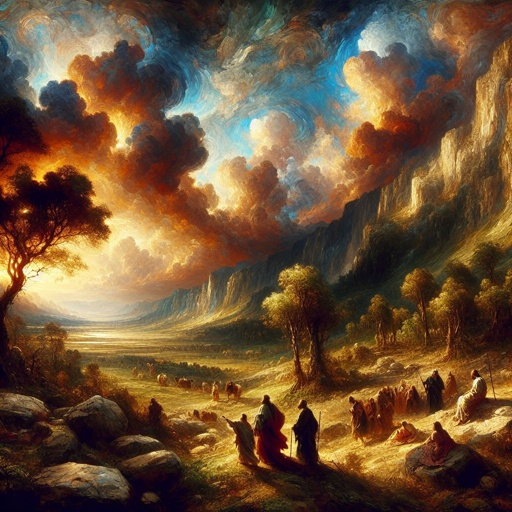
John 7:38

John 15:7

John 7:38

John 9:6-7 - "After saying this, he spit on the ground, made some mud with the saliva, and put it on the man’s eyes. "Go," he told him, "wash in the Pool of Siloam" (this word means "Sent"). So the man went and washed, and came home seeing."

John 7:38

John 15:7

John 7:38

John 7:17-18

John 7:37-39

John 7:17-18

John 7:37-39

john 21:9

John 7:17-18

John 7:17-18
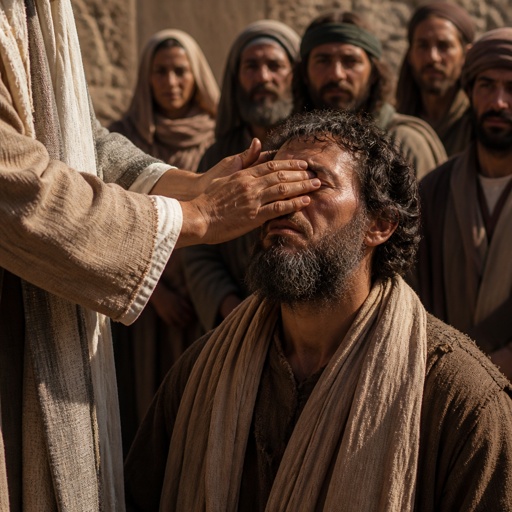
John 9:10

John 10:9

John 10:9

John 10:9

John 7:38

John 7:38

John 7:38

John 6:8-9

John 9:1-3

John 13:4-9

John 9:1-41

1 John 1:9