What does John 8:29 mean?
“And he that sent me is with me: the Father hath not left me alone; for I do always those things that please him.” — John 8:29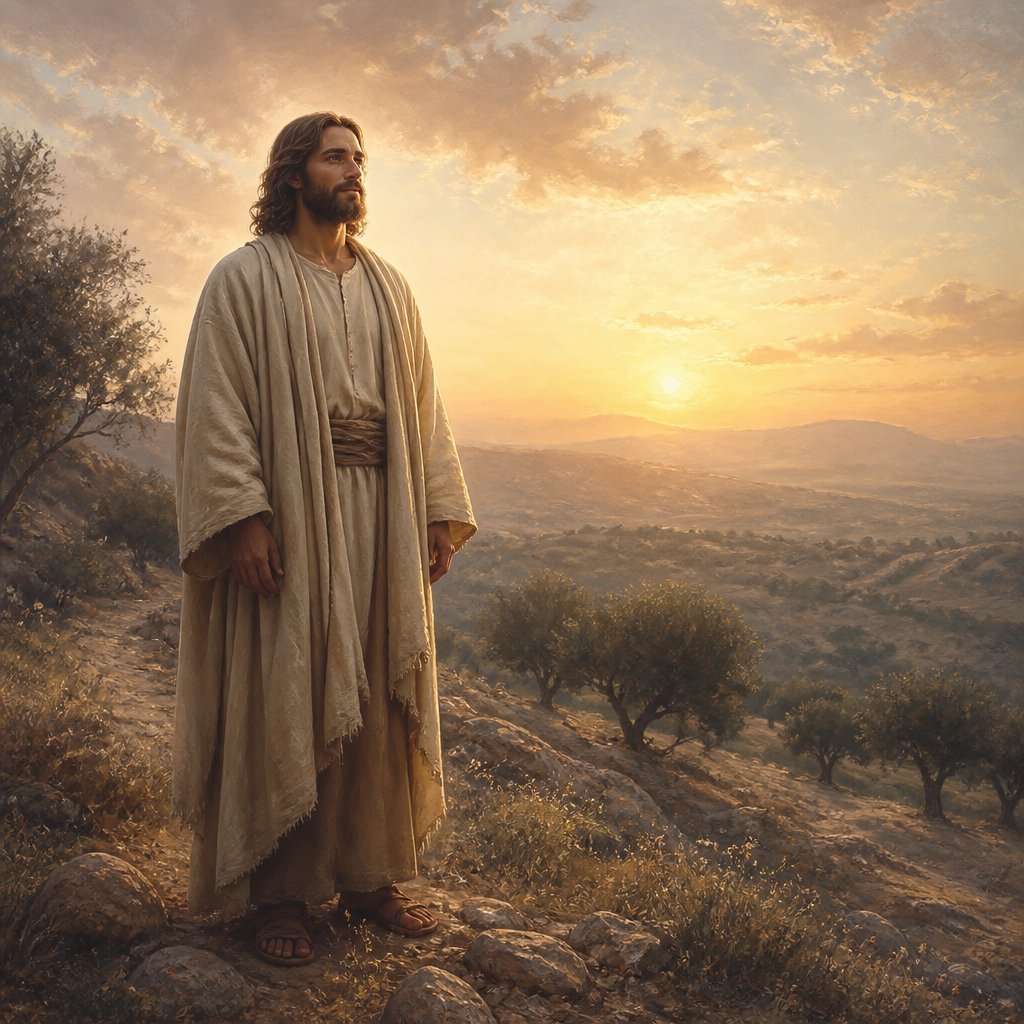
John 8:29 (KJV) - "And he that sent me is with me: the Father hath not left me alone; for I do always those things that please him."
This verse comes from the Gospel of John, one of the four canonical gospels in the New Testament of the Christian Bible. It is part of a larger discourse in which Jesus confronts the religious leaders and challenges their understanding of the law and their own spiritual condition. This particular verse is part of an ongoing dialogue between Jesus and the Pharisees, in which Jesus asserts his divine authority and relationship with God the Father.
In this verse, Jesus affirms the presence and support of God the Father in his life and ministry. He declares that the Father has not left him alone, indicating that God's presence and guidance are always with him. This statement not only reveals Jesus' close personal relationship with God but also underscores the trust and obedience Jesus has in fulfilling God's will. The key message here is that Jesus' actions are always in line with the will of God, and he strives to please God in everything he does.
The context of this verse is crucial for understanding its deeper meaning. At the time of this dialogue, the religious leaders were continuously questioning Jesus' authority and legitimacy as a teacher and healer. They were skeptical of his claims and were seeking ways to discredit him. In response, Jesus consistently points to his divine relationship with the Father and the supernatural power at work in his life. He emphasizes that his teachings and actions are not his own but are in perfect alignment with the will of God. This challenges the religious leaders' perception of Jesus and invites them to consider the possibility of his divine origin.
The themes in this verse revolve around Jesus' obedience to God, his intimate connection with the Father, and the divine support and affirmation he receives. Jesus's unwavering commitment to pleasing God serves as a model for his followers, emphasizing the importance of aligning one's actions with God's will. It also highlights the profound union and harmony within the Holy Trinity, with Jesus acknowledging the presence of the Father in all aspects of his ministry. This verse also addresses the question of Jesus' authority and legitimacy, as he boldly asserts his divine identity and mission in the face of opposition.
Symbolism plays a significant role in this verse, as it points to the deeper spiritual truths and realities. The Father's presence with Jesus symbolizes the divine partnership and unity within the Trinity. It signifies the close relationship between Jesus and God, highlighting their mutual love and commitment to fulfilling the divine plan of salvation. Furthermore, Jesus' statement reflects his role as the obedient Son who wholeheartedly submits to the Father's will, setting an example for believers to follow. This symbolism conveys the central message of the verse, emphasizing the divine nature of Jesus and his unwavering devotion to pleasing the Father.
In conclusion, John 8:29 (KJV) portrays Jesus as the obedient Son of God, who is intimately connected to the Father and faithfully carries out God's will. This verse highlights the themes of obedience, divine partnership, and Jesus' authority, challenging his opponents' perceptions of him. The symbolism of the Father's presence with Jesus reinforces the profound spiritual truths and the unity within the Holy Trinity. As believers reflect on this verse, they are called to emulate Jesus' example of obedience and seek to align their lives with the will of God, just as Jesus did.
Get our apps


Artwork for John 8:29

John 8:29 - "And he that sent me is with me: the Father hath not left me alone; for I do always those things that please him."
"And he that sent me is with me: the Father hath not left me alone; for I do always those things that please him." - John 8:29

John 14.23-29

John 14:23-29

John 1 29-42

John 1 29-42

John 14:23-29

John 14:23-29

John 1 29-42

John 1 29-42

John 1:29 - "¶ The next day John seeth Jesus coming unto him, and saith, Behold the Lamb of God, which taketh away the sin of the world."

Genesis 29-8

Romans 8:29

2 KINGS 8:29

John 11:29 - "As soon as she heard that, she arose quickly, and came unto him."

John 1:John 1:29 The Next Day John Saw Jesus Coming Toward Him, And Said, “Behold! The Lamb Of God Who Takes Away The Sin Of The World!

John 1:John 1:29 The Next Day John Saw Jesus Coming Toward Him, And Said, “Behold! The Lamb Of God Who Takes Away The Sin Of The World!

John 1:John 1:29 The Next Day John Saw Jesus Coming Toward Him, And Said, “Behold! The Lamb Of God Who Takes Away The Sin Of The World!

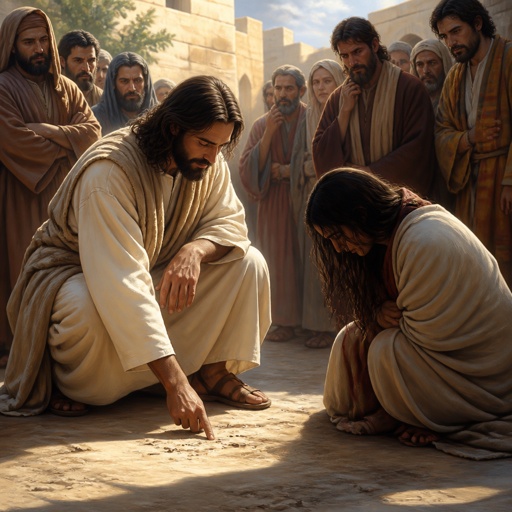
John 8
John 8

John 8:44

John 8:44

John 8:44

John 8:8 - "And again he stooped down, and wrote on the ground."

John 7:29 - "But I know him: for I am from him, and he hath sent me."

John 12:29 - "The people therefore, that stood by, and heard it, said that it thundered: others said, An angel spake to him."

Luke 7:29 - "And all the people that heard him, and the publicans, justified God, being baptized with the baptism of John."

Mark 1:29 - "And forthwith, when they were come out of the synagogue, they entered into the house of Simon and Andrew, with James and John."

John 18:29 - "Pilate then went out unto them, and said, What accusation bring ye against this man?"

John 8:12