What does John 8:48 mean?
“Then answered the Jews, and said unto him, Say we not well that thou art a Samaritan, and hast a devil?” — John 8:48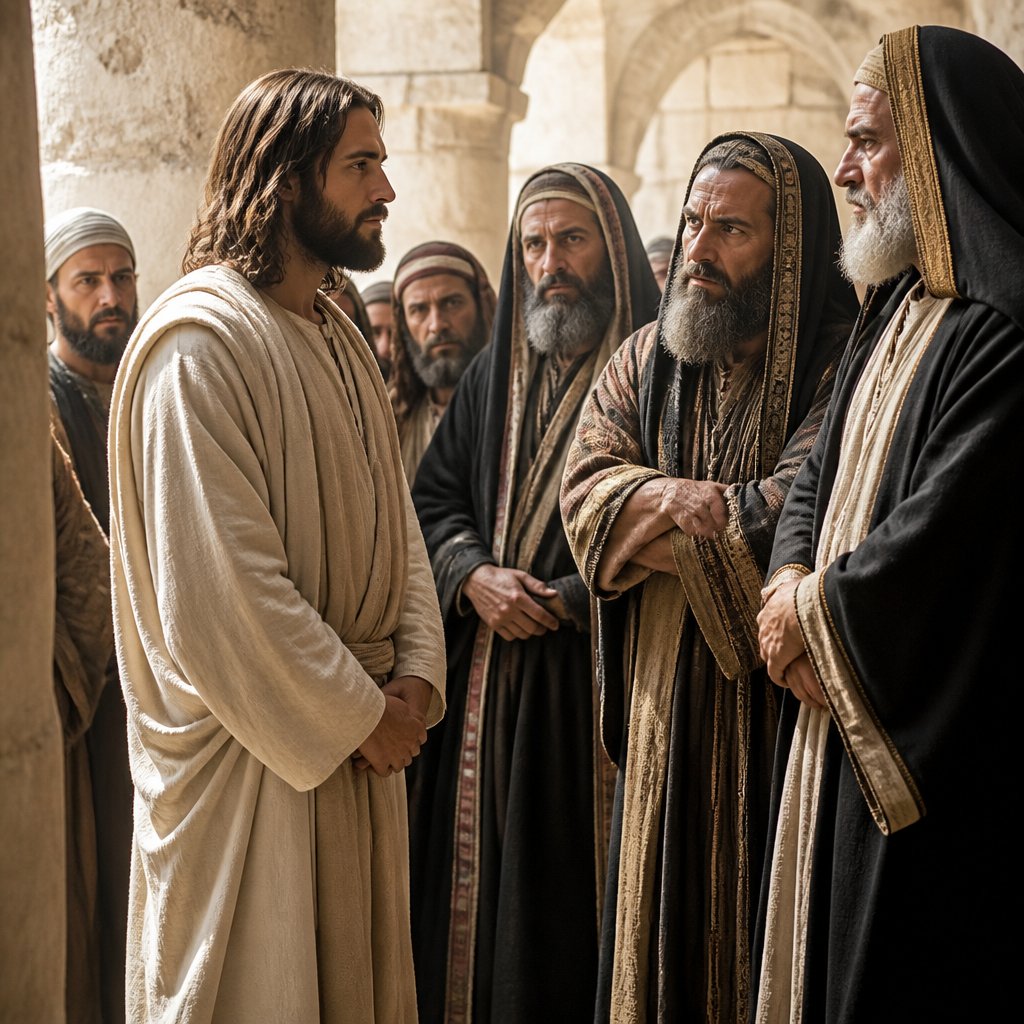
John 8:48 in the King James Version of the Bible reads, "Then answered the Jews, and said unto him, Say we not well that thou art a Samaritan, and hast a devil?"
This verse is part of a larger passage in the Gospel of John where Jesus is engaged in a heated debate with the Jewish religious leaders. Throughout this passage, we see Jesus confronting the religious authorities and asserting his divine authority. In this particular verse, the Jews are verbally attacking Jesus by accusing him of being a Samaritan and having a devil.
To truly understand the significance of this verse, it is important to consider the historical and cultural context in which it was written. Samaritans were a group of people who lived in the region of Samaria and were seen as outsiders by the Jews. They were a mixed race and had their own religious beliefs, which made them despised by the Jews. By accusing Jesus of being a Samaritan, the Jews were attempting to discredit and insult him.
Furthermore, the accusation that Jesus had a devil was a serious charge. In Jewish culture, demons were seen as the cause of mental illness and moral corruption. By accusing Jesus of having a devil, the Jews were insinuating that he was possessed and therefore untrustworthy.
In response to these accusations, Jesus does not directly defend himself, but instead continues to assert his divine identity. This passage serves as a powerful demonstration of Jesus' unwavering confidence in his role as the Son of God, despite the attempts of the religious leaders to undermine him.
This verse also speaks to the theme of division and conflict. Throughout the Gospels, we see Jesus clashing with the religious authorities, who are resistant to his teachings and threatened by his radical message. The accusation of being a Samaritan and having a devil exemplifies the hostility and animosity that Jesus faced from those in positions of power and authority. This theme of conflict is a pervasive one in the life of Jesus, as he challenges the status quo and exposes the hypocrisy of the religious leaders.
In a larger theological context, this verse also sheds light on the nature of Jesus' mission. By being accused of having a devil, Jesus is identifying himself with the outcasts and the oppressed. In the Gospel of Matthew, Jesus says, "I have not come to call the righteous, but sinners to repentance" (Matthew 9:13). This verse echoes that sentiment, as Jesus is being associated with those who are marginalized and misunderstood.
Symbolically, the accusation of being a Samaritan and having a devil also serves to highlight the paradox of Jesus' identity. On one hand, he is the Son of God, the Savior of the world. On the other hand, he is a man who associated with the lowly and the despised. This duality is a central aspect of Jesus' ministry, as he bridges the gap between the divine and the human, the holy and the unholy.
In conclusion, John 8:48 is a powerful and poignant verse that captures the tension and conflict surrounding Jesus' ministry. It reveals the hostility that Jesus faced from the religious authorities, as well as his unwavering confidence in his divine identity. It also speaks to the larger themes of division and the paradox of Jesus' nature. As we reflect on this verse, we are reminded of the profound depth of Jesus' mission and the radical nature of his message.
Get our apps


Artwork for John 8:48

John 8:48 - "Then answered the Jews, and said unto him, Say we not well that thou art a Samaritan, and hast a devil?"
"Then answered the Jews, and said unto him, Say we not well that thou art a Samaritan, and hast a devil?" - John 8:48

John 6:48 - "I am that bread of life."

John 7:48 - "Have any of the rulers or of the Pharisees believed on him?"
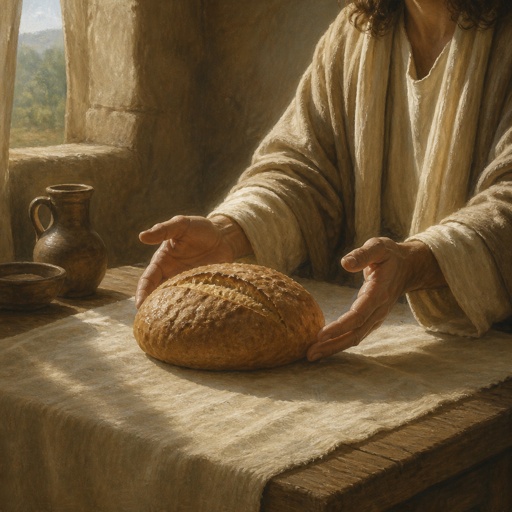
"I am that bread of life." - John 6:48

John 4:48 - "Then said Jesus unto him, Except ye see signs and wonders, ye will not believe."

Genesis 48:8 - "And Israel beheld Joseph's sons, and said, Who are these?"
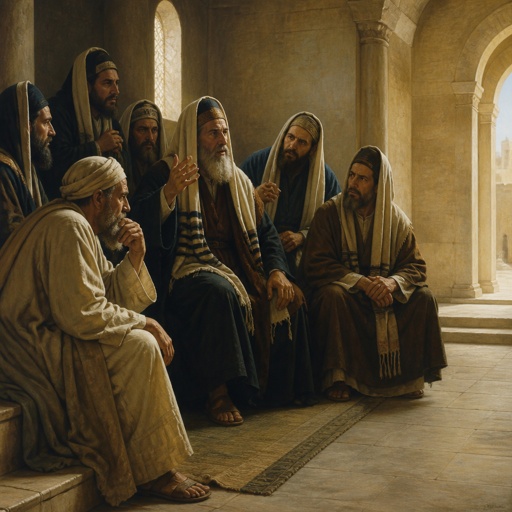
"Have any of the rulers or of the Pharisees believed on him?" - John 7:48

John 11:48 - "If we let him thus alone, all men will believe on him: and the Romans shall come and take away both our place and nation."
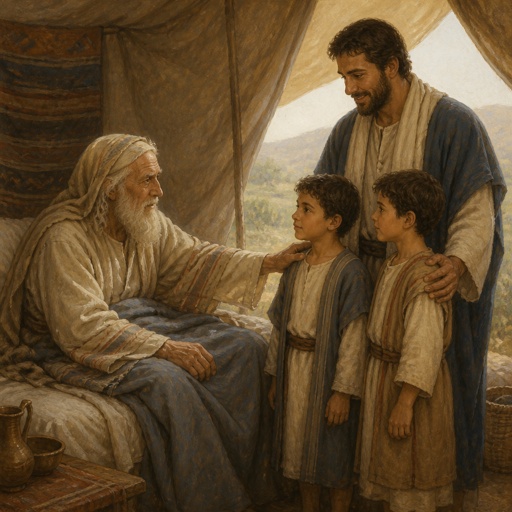
"And Israel beheld Joseph's sons, and said, Who are these?" - Genesis 48:8

John 12:48 - "He that rejecteth me, and receiveth not my words, hath one that judgeth him: the word that I have spoken, the same shall judge him in the last day."

Luke 8:48 - "And he said unto her, Daughter, be of good comfort: thy faith hath made thee whole; go in peace."

Psalms 48:8 - "As we have heard, so have we seen in the city of the LORD of hosts, in the city of our God: God will establish it for ever. Selah."
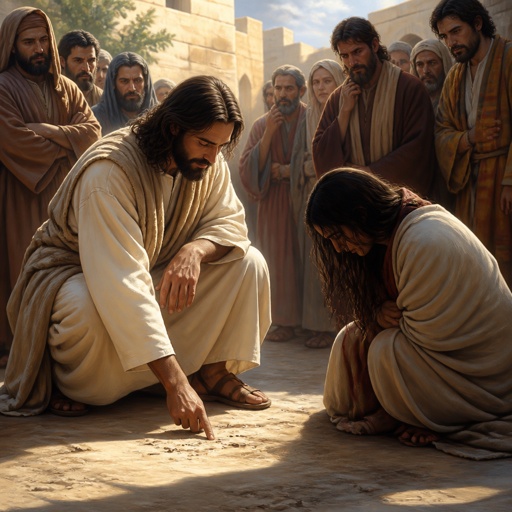
John 8

John 8

John 8:44

Jeremiah 48:8 - "And the spoiler shall come upon every city, and no city shall escape: the valley also shall perish, and the plain shall be destroyed, as the LORD hath spoken."

John 8:44

John 8:44
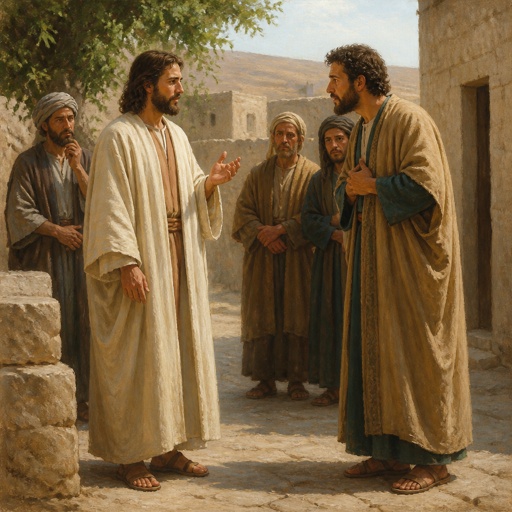
"Then said Jesus unto him, Except ye see signs and wonders, ye will not believe." - John 4:48

John 8:8 - "And again he stooped down, and wrote on the ground."

John 1:48 - "Nathanael saith unto him, Whence knowest thou me? Jesus answered and said unto him, Before that Philip called thee, when thou wast under the fig tree, I saw thee."

John 8:12

John 8:12

John 8:12

John 8:12

John 8:12

Isaiah 48:8 - "Yea, thou heardest not; yea, thou knewest not; yea, from that time that thine ear was not opened: for I knew that thou wouldest deal very treacherously, and wast called a transgressor from the womb."

John 3:5-8

John 6:8-9