What does John 8:16 mean?
“And yet if I judge, my judgment is true: for I am not alone, but I and the Father that sent me.” — John 8:16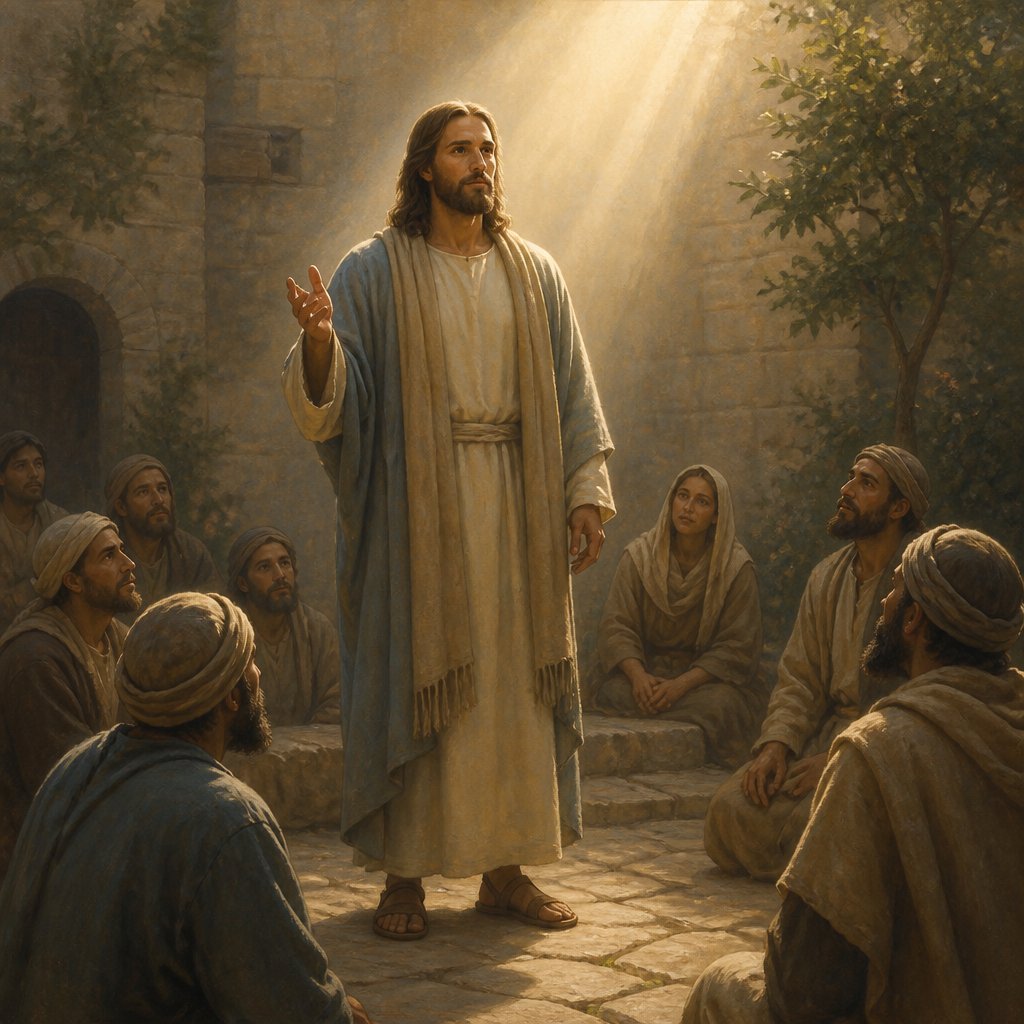
John 8:16, King James Version (KJV): "And yet if I judge, my judgment is true: for I am not alone, but I and the Father that sent me."
This verse is part of a larger conversation between Jesus and the Pharisees that takes place in the temple. The Pharisees are questioning Jesus about his authority and he responds by telling them about his relationship with the Father. In this particular verse, Jesus asserts that his judgment is true because he is not acting alone, but is in perfect unity with the Father who sent him.
One of the key themes in this verse is the idea of divine unity and authority. Jesus is clearly asserting his authority as the Son of God, and his close relationship with the Father. This theme is consistent throughout the book of John, as Jesus repeatedly emphasizes his unique relationship with the Father and his divine identity. This verse serves as a powerful declaration of Jesus' authority, as well as a reminder of the unity and harmony within the Godhead.
The context of this verse is also important for understanding its meaning. In the preceding verses, Jesus has been challenged by the Pharisees to justify his testimony about himself. He responds by telling them that his testimony is valid because he knows where he came from and where he is going, but they do not. He also reminds them that they judge by human standards, but that he does not judge anyone. Instead, he says, his judgment is true because he is not alone, but is in perfect unity with the Father.
This verse is rich in symbolism, as it provides a glimpse into the complex nature of the Trinity. The Trinity is the belief that there is one God who exists in three persons: the Father, the Son (Jesus), and the Holy Spirit. In this verse, Jesus is affirming his unity with the Father, and suggesting that their judgment is one and the same. This serves as a powerful expression of the deep, mysterious nature of the Trinity, and the perfect harmony that exists within it.
Furthermore, the verse also speaks to the authority of Jesus as the Son of God. By claiming that his judgment is true because of his unity with the Father, Jesus is making a bold statement about his divine authority. This theme of divine authority is central to the book of John, as Jesus repeatedly asserts his unique relationship with the Father, and performs miracles that demonstrate his power and authority. This verse serves as a reminder of Jesus' divine identity and his rightful place as the Son of God.
In conclusion, John 8:16 is a powerful and profound statement about the divine unity and authority of Jesus. It emphasizes Jesus' close relationship with the Father, and his claim to divine authority. The verse also provides insight into the complex nature of the Trinity, and serves as a reminder of the perfect unity and harmony that exists within the Godhead. Ultimately, this verse is a powerful declaration of Jesus' divine identity and authority, and a reminder of the deep, mysterious nature of the Trinity.
Get our apps


Artwork for John 8:16

John 8:16 - "And yet if I judge, my judgment is true: for I am not alone, but I and the Father that sent me."
"And yet if I judge, my judgment is true: for I am not alone, but I and the Father that sent me." - John 8:16
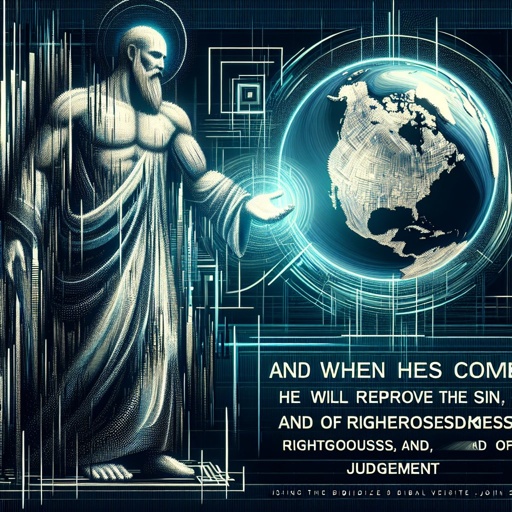
John 16:8 - "And when he is come, he will reprove the world of sin, and of righteousness, and of judgment:"
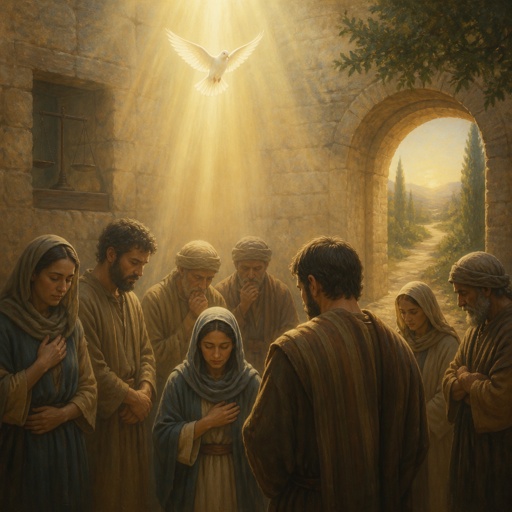
"And when he is come, he will reprove the world of sin, and of righteousness, and of judgment:" - John 16:8

John 16:33

John 16:33

John 16:33

John 16:33
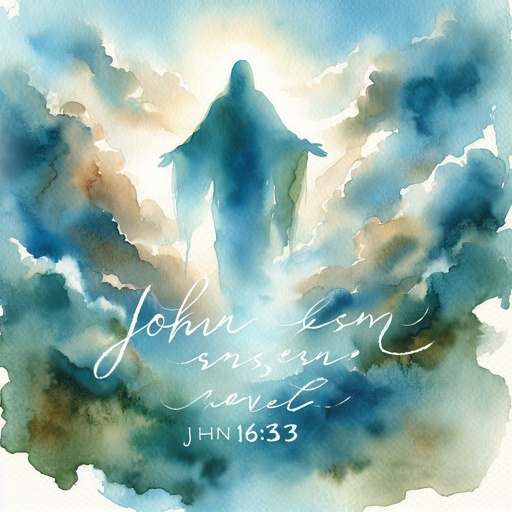
John 16:33

John 16:33

John 3:16
John 3:16

John 4:16

John 3:16

john 3:16

John 3:16

John 3:16

John 4:16

John 4:16

John 4:16

John 14:16

John 3:16

John 3:16

John 3:16

John 16 : 33

John 3:16

John 3:16

john 3:16

John 3:16

John 4:16