What does John 9:15 mean?
“Then again the Pharisees also asked him how he had received his sight. He said unto them, He put clay upon mine eyes, and I washed, and do see.” — John 9:15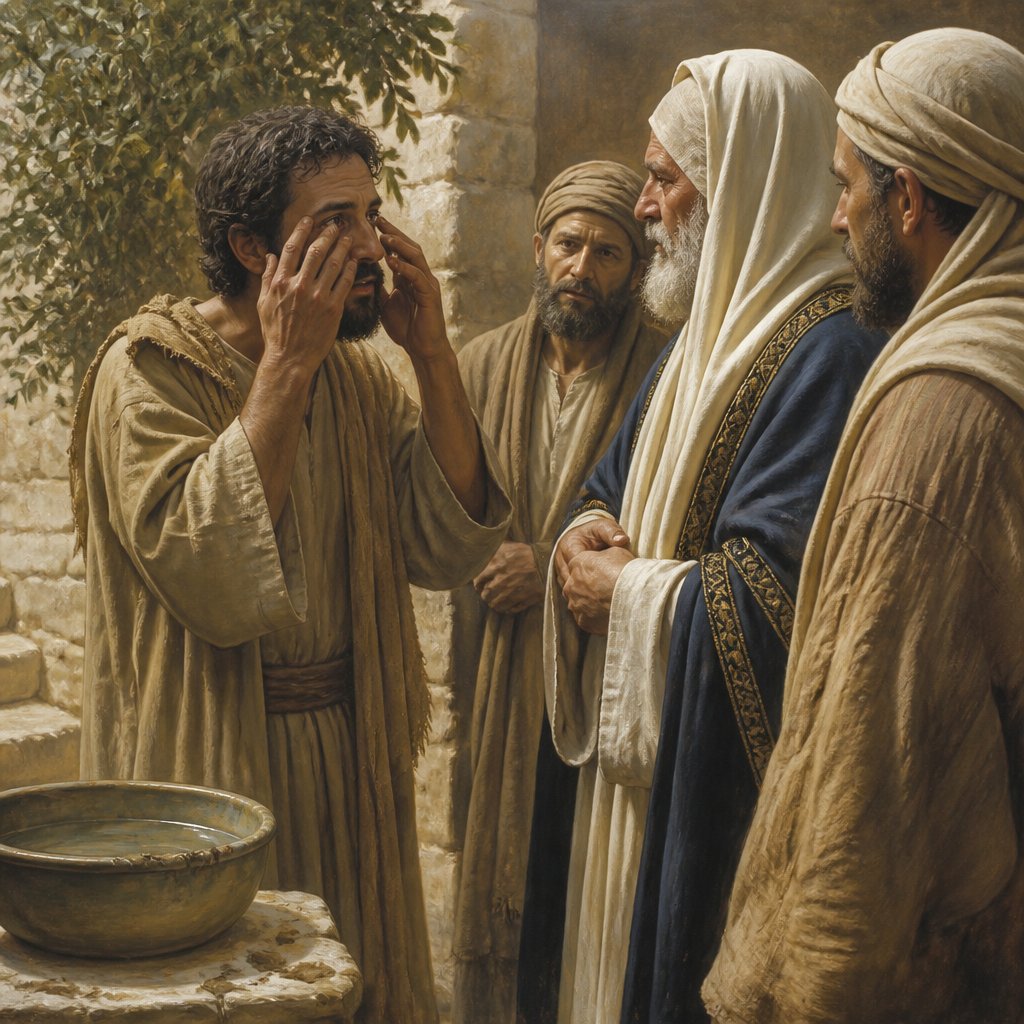
John 9:15 (KJV) - "Then again the Pharisees also asked him how he had received his sight. He said unto them, He put clay upon mine eyes, and I washed, and do see."
This verse is part of the story of Jesus healing a man who was born blind. It occurs in the ninth chapter of the Gospel of John, which tells the story of Jesus's ministry, death, and resurrection. This particular passage deals with the religious leaders' response to the miraculous healing of the blind man, as they question him about how he came to see.
The Pharisees were a group of religious leaders who were highly respected in Jewish society. They were known for their strict adherence to the Mosaic law and their concern for ritual purity. However, they also had a reputation for being legalistic and hypocritical. In this passage, they are shown to be skeptical of the miraculous healing that Jesus performed, and they question the validity of the man's restoration of sight.
The theme of spiritual blindness is central to this passage. The blind man, both physically and spiritually blind, is able to see for the first time after encountering Jesus. This serves as a metaphor for the spiritual blindness of the Pharisees, who are unable to recognize Jesus as the Messiah, despite witnessing the evidence of his miraculous power. The Pharisees are so entrenched in their own religious traditions and beliefs that they are unable to see the truth that is right in front of them.
The use of clay in the healing process is significant and symbolic. In biblical times, clay was often associated with impurity and sin. In using clay to heal the blind man, Jesus is demonstrating his power to cleanse and purify, both physically and spiritually. The act of washing away the clay represents the spiritual cleansing that takes place when one encounters Jesus and receives his grace and mercy. This symbolic act is significant in highlighting the transformative power of Jesus's healing and the spiritual renewal that it brings.
The dialogue between the Pharisees and the healed man also reveals the contrast between their spiritual blindness and his newfound sight. The man's simple and direct testimony about how Jesus healed him stands in stark contrast to the Pharisees' skepticism and intellectualizing of the miracle. This emphasizes the theme of spiritual insight and the idea that true understanding comes from a humble and open heart, rather than from intellectual pride and arrogance.
Another theme that emerges from this passage is the power of testimony and personal experience. The healed man's testimony about his encounter with Jesus serves as a powerful witness to the truth of Jesus's ministry and his identity as the Son of God. His simple and honest testimony ultimately leads to his confession of faith in Jesus as the Messiah. This highlights the importance of personal testimony in sharing the gospel and how individual encounters with Jesus can lead to a deeper understanding and commitment to faith.
In conclusion, John 9:15 is a significant and rich passage that speaks to the themes of spiritual blindness, healing, testimony, and faith. It serves as a powerful reminder of the transformative power of encountering Jesus and the importance of having open hearts and minds to recognize and accept the truth of his message. It also challenges us to examine our own beliefs and attitudes, and to consider the ways in which we might be spiritually blind to the work of God in our lives. Ultimately, this passage invites us to open ourselves to the healing and renewing power of Jesus, and to bear witness to the truth through our own personal testimonies and experiences.
Get our apps


Artwork for John 9:15

John 9:15 - "Then again the Pharisees also asked him how he had received his sight. He said unto them, He put clay upon mine eyes, and I washed, and do see."
"Then again the Pharisees also asked him how he had received his sight. He said unto them, He put clay upon mine eyes, and I washed, and do see." - John 9:15

John 15:9-10

John 15:9-10

John 15:9 - "As the Father hath loved me, so have I loved you: continue ye in my love."

John 15:7

John 15:7
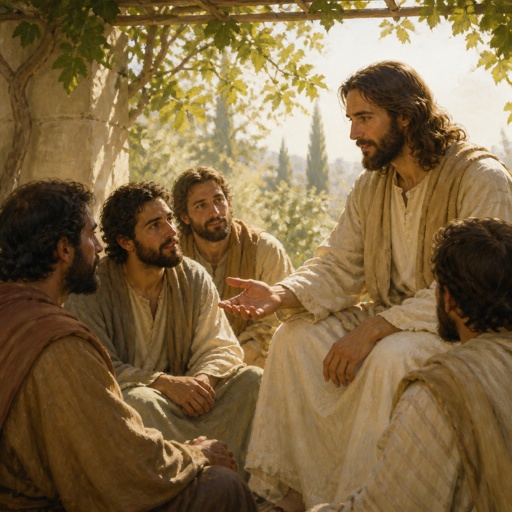
"As the Father hath loved me, so have I loved you: continue ye in my love." - John 15:9

John 15:5

John 15:5

John 15 The Vine

John 15:9-10 - "As the Father has loved me, so have I loved you. Now remain in my love. If you keep my commands, you will remain in my love, just as I have kept my Father’s commands and remain in his love."

john 21:9

John 14:15-21

John 15:26 NLT

John 15:1-8
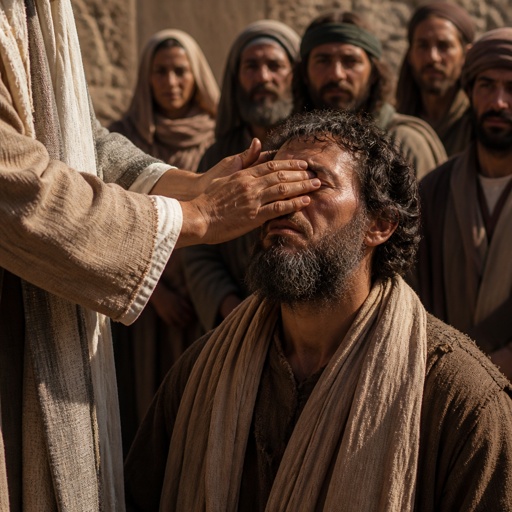
John 9:10

John 10:9

John 10:9

John 10:9

John 21:15-19

John 6:8-9

John 9:1-3

John 13:4-9

John 9:1-41

1 John 1:9

John 16:9 - "Of sin, because they believe not on me;"

John 14:15 - "¶ If ye love me, keep my commandments."

John 9:9 - "Some said, This is he: others said, He is like him: but he said, I am he."

John 15:23 - "He that hateth me hateth my Father also."