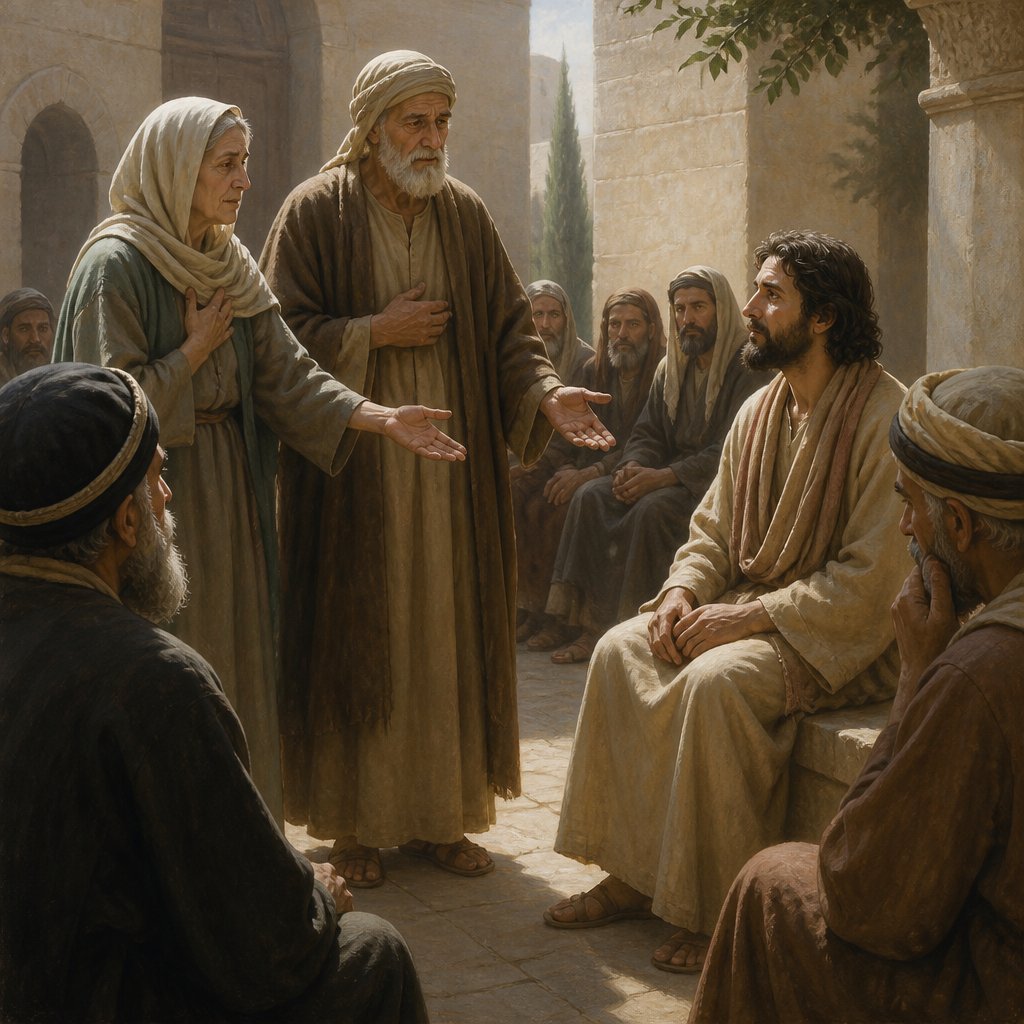
The Bible verse John 9:23 in the King James Version (KJV) reads, "Therefore said his parents, He is of age; ask him." This verse is found in the midst of the story of Jesus healing a man who was born blind. The healing took place on the Sabbath, and it caused quite a stir among the religious leaders of the time. The man's parents were summoned by the Pharisees to testify about the healing, and they responded with fear and caution, providing insight into the themes of faith, fear, and the power of testimony.
The context of this verse is crucial to understanding its significance. The story of the healing of the blind man in John 9 begins with Jesus and his disciples encountering a man who was blind from birth. The disciples asked Jesus who had sinned, the man or his parents, to cause him to be born blind. Jesus answered that neither had sinned, but that the works of God might be displayed in him. Jesus then proceeded to heal the man by rubbing spit and mud on his eyes and telling him to go and wash in the pool of Siloam. The man did as Jesus said, and his sight was restored.
This miraculous healing caused a great deal of controversy, as it was performed on the Sabbath, a day on which religious leaders believed no work should be done. The Pharisees, therefore, questioned the man about his healing, and when he steadfastly testified to the truth of what had happened, they called in his parents to corroborate his story. The parents, fearing the repercussions of the Pharisees, responded cautiously, acknowledging that their son was of age and able to speak for himself.
The theme of faith is prominent in this verse, as it highlights the contrast between the man born blind and his parents. The man, having experienced the miraculous healing and understanding the identity of Jesus, boldly testified to the truth of what had happened to him. His parents, on the other hand, were afraid of the Pharisees and their power to excommunicate anyone who acknowledged Jesus as the Christ. Their fear and cautious response reflect a lack of faith in the face of adversity.
The verse also underscores the power of testimony, as the parents ultimately defer to their son to speak for himself. In doing so, they recognize the importance of his personal experience and his ability to speak truthfully about it. This emphasizes the significance of personal witness and the impact it can have on others. The man's testimony ultimately leads to him being cast out of the synagogue, but it also serves as a powerful testament to the reality of Jesus' identity and his ability to perform miracles.
Symbolically, this verse represents the conflict between faith and fear, as well as the importance of personal testimony in the face of opposition. It also serves as a reminder of the power of Jesus to bring about miraculous healing and demonstrates the consequences of acknowledging his authority in a hostile environment.
In conclusion, John 9:23 in the King James Version offers a profound commentary on the themes of faith, fear, and the power of testimony. It provides valuable insight into the response of the man's parents to the healing of their son and highlights the significance of personal witness in the face of adversity. This verse serves as a powerful reminder of the transformative power of Jesus and the impact of personal testimony on those who bear witness to his work.
Get our apps


Artwork for John 9:23

John 9:23 - "Therefore said his parents, He is of age; ask him."
"Therefore said his parents, He is of age; ask him." - John 9:23

John 3:23 - "¶ And John also was baptizing in Aenon near to Salim, because there was much water there: and they came, and were baptized."

John 14:23-29

John 14:23-29

John 14:23-29

John 10:23 - "And Jesus walked in the temple in Solomon's porch."

John 15:23 - "He that hateth me hateth my Father also."

john 21:9

Genesis 23-9
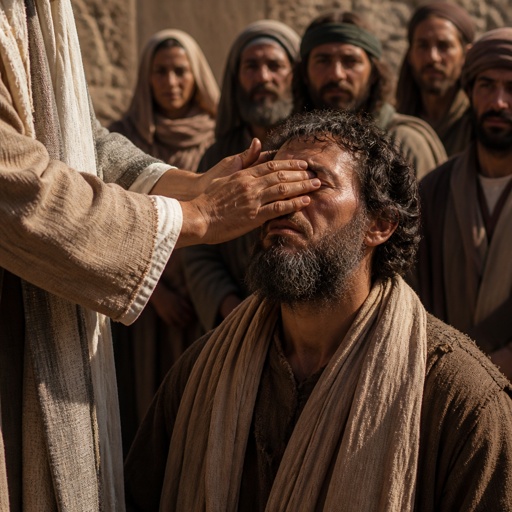
John 9:10

John 10:9

John 10:9

John 10:9

John 6:8-9

John 9:1-3

John 13:4-9

John 9:1-41

1 John 1:9

John 13:23 - "Now there was leaning on Jesus' bosom one of his disciples, whom Jesus loved."

John 12:23 - "¶ And Jesus answered them, saying, The hour is come, that the Son of man should be glorified."

John 15:9-10

John 15:9-10

John 16:9 - "Of sin, because they believe not on me;"

John 11:23 - "Jesus saith unto her, Thy brother shall rise again."

John 9:9 - "Some said, This is he: others said, He is like him: but he said, I am he."

Leviticus 23:9 - "¶ And the LORD spake unto Moses, saying,"
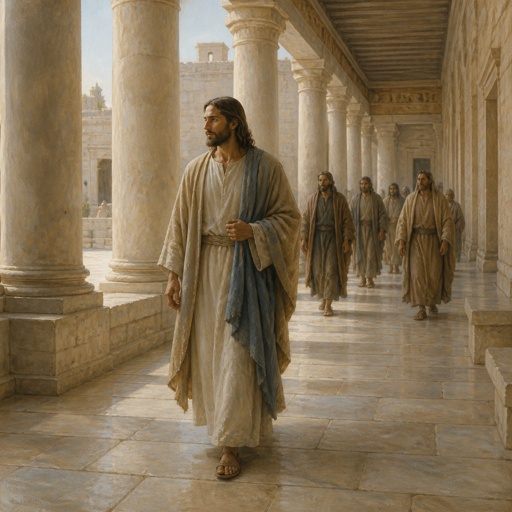
"And Jesus walked in the temple in Solomon's porch." - John 10:23

John 9:13 - "¶ They brought to the Pharisees him that aforetime was blind."

Luke 9:9 - "And Herod said, John have I beheaded: but who is this, of whom I hear such things? And he desired to see him."