What does Joshua 12:11 mean?
“The king of Jarmuth, one; the king of Lachish, one;” — Joshua 12:11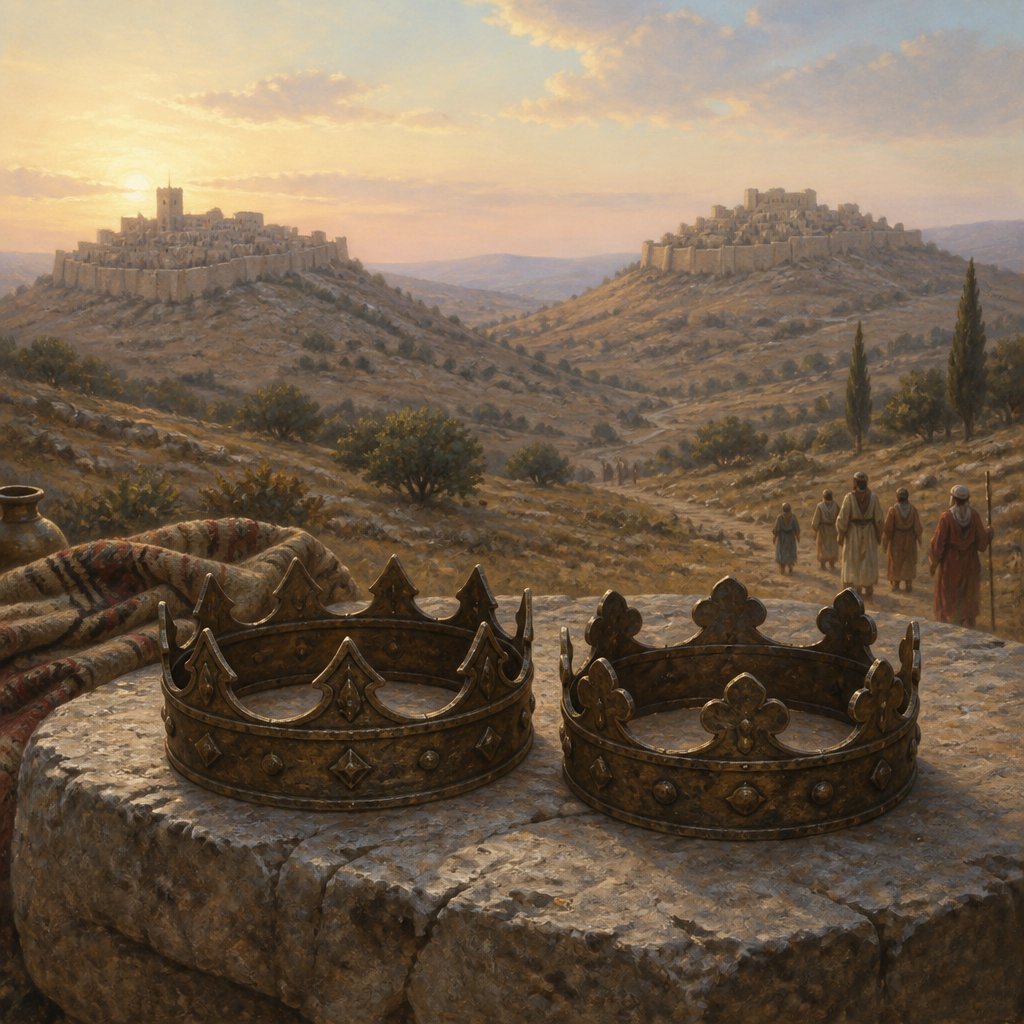
Joshua 12:11 (KJV) reads, "The king of Jarmuth, one; the king of Lachish, one".
This verse is part of a larger passage that describes the conquests of Joshua and the Israelites as they claimed the Promised Land. The book of Joshua is a historical account of the Israelites' journey from Egypt to the conquest and division of the land of Canaan. In this particular verse, Joshua 12:11, the focus is on the individual kings that were defeated by the Israelites.
The verse itself is fairly brief and straightforward, but it holds significance within the larger context of the book of Joshua. One of the key themes of the book is the fulfillment of God's promise to the Israelites to give them the land of Canaan. In Genesis 12:7, God promised to give the land of Canaan to Abraham and his descendants, and the book of Joshua details the fulfillment of this promise under the leadership of Joshua.
The conquest of the Promised Land is of great importance to the Israelites, as it solidifies their status as God's chosen people and marks the beginning of their settlement in the land that was promised to them. Therefore, every victory over the Canaanite kings serves as a confirmation of God's faithfulness to his people.
In the specific case of Joshua 12:11, the mention of the kings of Jarmuth and Lachish reinforces the idea that these victories were not just random or accidental, but rather part of a deliberate and systematic plan orchestrated by God himself. Each king and kingdom that fell before the Israelites was a testament to the power and faithfulness of God.
The symbolism in this verse can also be seen in the names of the cities themselves. Jarmuth and Lachish were both significant cities in Canaan, and their defeat would have been a powerful statement to the surrounding nations of the power and authority of the God of Israel. The names of these cities also hold significance in that they represent strongholds and centers of power in the land of Canaan. The defeat of their kings by the Israelites would have been a clear indication of the superiority of the Israelites under God's leadership.
In addition to the specific historical and geographical details, this verse also holds a broader spiritual significance. The conquest of Canaan serves as a foreshadowing of the believer's spiritual conquest over sin and the powers of darkness. It serves as a reminder that with God's leadership and guidance, we can overcome the strongholds and obstacles that stand in the way of God's promises for our lives.
In conclusion, Joshua 12:11 is a brief but significant verse within the larger narrative of the book of Joshua. It serves as a reminder of God's faithfulness in fulfilling his promises to his people, and the symbolism within the verse underscores the power and authority of God over the nations of the earth. As believers, we can take comfort and encouragement from this passage, knowing that just as the Israelites were victorious in claiming the Promised Land, so too can we be victorious in our spiritual journey with God.
Get our apps


Artwork for Joshua 12:11

Joshua 12:11 - "The king of Jarmuth, one; the king of Lachish, one;"
"The king of Jarmuth, one; the king of Lachish, one;" - Joshua 12:11

Joshua 11:12 - "And all the cities of those kings, and all the kings of them, did Joshua take, and smote them with the edge of the sword, and he utterly destroyed them, as Moses the servant of the LORD commanded."

Joshua 11:18 - "Joshua made war a long time with all those kings."

Joshua 1:12 - "¶ And to the Reubenites, and to the Gadites, and to half the tribe of Manasseh, spake Joshua, saying,"

Joshua 6:12 - "¶ And Joshua rose early in the morning, and the priests took up the ark of the LORD."

Joshua 12:12 - "The king of Eglon, one; the king of Gezer, one;"

Joshua 24:12

Joshua 24:12

Joshua 11:9 - "And Joshua did unto them as the LORD bade him: he houghed their horses, and burnt their chariots with fire."
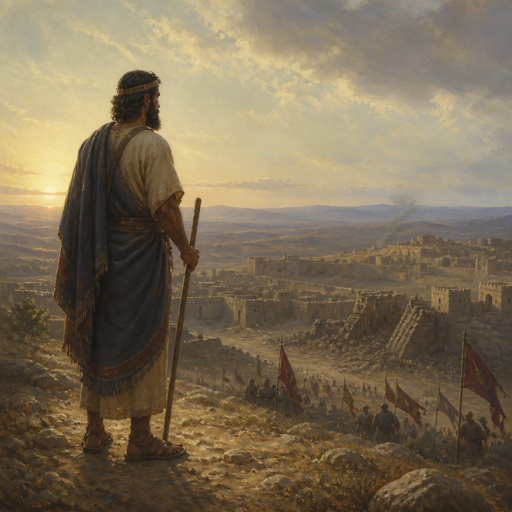
"And all the cities of those kings, and all the kings of them, did Joshua take, and smote them with the edge of the sword, and he utterly destroyed them, as Moses the servant of the LORD commanded." - Joshua 11:12

Joshua 11:15 - "¶ As the LORD commanded Moses his servant, so did Moses command Joshua, and so did Joshua; he left nothing undone of all that the LORD commanded Moses."

Joshua 11:13 - "But as for the cities that stood still in their strength, Israel burned none of them, save Hazor only; that did Joshua burn."

Joshua 1:12-16

Joshua 1:12-16

Joshua 11:23 - "So Joshua took the whole land, according to all that the LORD said unto Moses; and Joshua gave it for an inheritance unto Israel according to their divisions by their tribes. And the land rested from war."

Joshua 11:7 - "So Joshua came, and all the people of war with him, against them by the waters of Merom suddenly; and they fell upon them."

Joshua 11:10 - "¶ And Joshua at that time turned back, and took Hazor, and smote the king thereof with the sword: for Hazor beforetime was the head of all those kingdoms."

John 1:1-2

John 1:1-2

John 1:1-2

John 1:1-2

John 1:1-2

Joshua 11:16 - "So Joshua took all that land, the hills, and all the south country, and all the land of Goshen, and the valley, and the plain, and the mountain of Israel, and the valley of the same;"

Joshua 11:21 - "¶ And at that time came Joshua, and cut off the Anakims from the mountains, from Hebron, from Debir, from Anab, and from all the mountains of Judah, and from all the mountains of Israel: Joshua destroyed them utterly with their cities."

Joshua 12:21 - "The king of Taanach, one; the king of Megiddo, one;"

Joshua 12:13 - "The king of Debir, one; the king of Geder, one;"

Joshua 12:17 - "The king of Tappuah, one; the king of Hepher, one;"

Joshua 12:15 - "The king of Libnah, one; the king of Adullam, one;"

Joshua 12:10 - "The king of Jerusalem, one; the king of Hebron, one;"