What does Joshua 5:12 mean?
“And the manna ceased on the morrow after they had eaten of the old corn of the land; neither had the children of Israel manna any more; but they did eat of the fruit of the land of Canaan that year.” — Joshua 5:12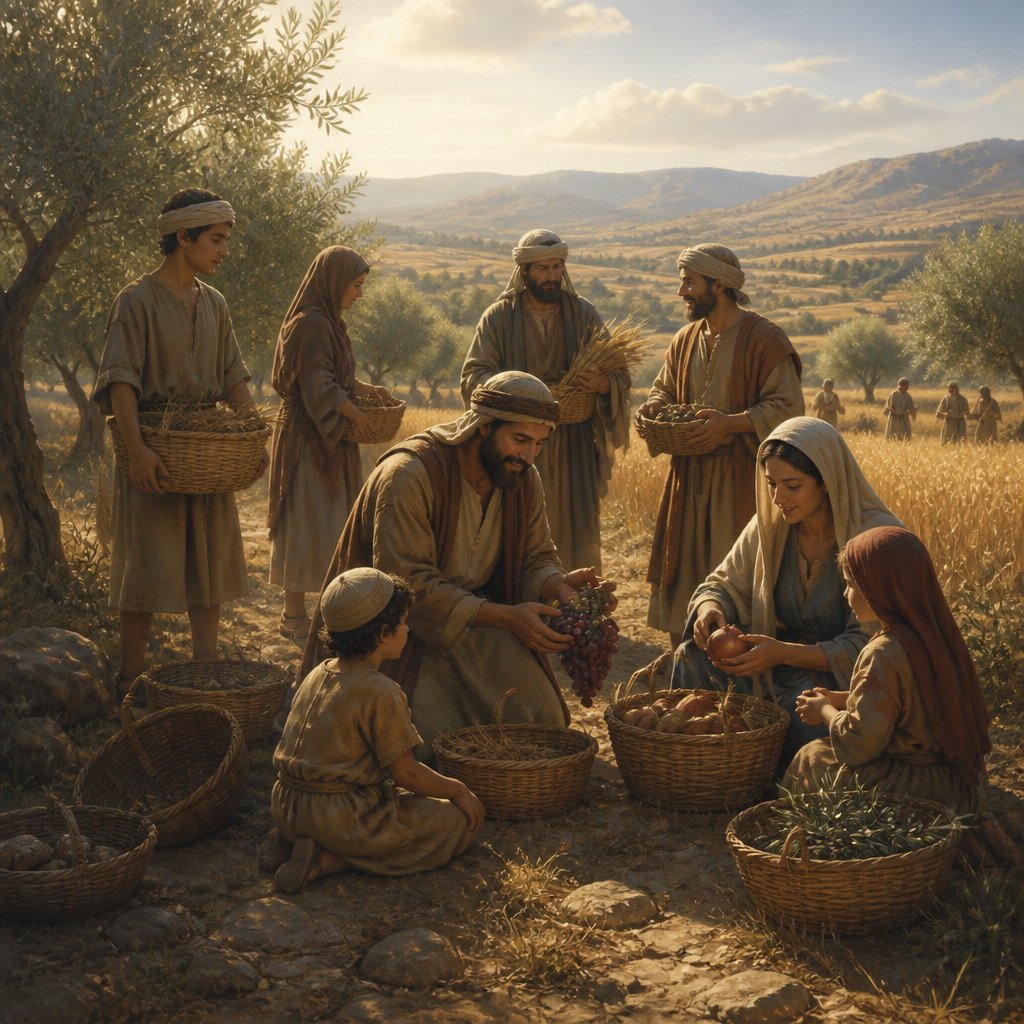
The verse Joshua 5:12 in the King James Version reads: "And the manna ceased on the morrow after they had eaten of the old corn of the land; neither had the children of Israel manna any more; but they did eat of the fruit of the land of Canaan that year."
This verse is a pivotal moment in the narrative of the Israelites as they enter the Promised Land. It marks the end of their reliance on manna, the miraculous food that sustained them during their 40 years in the wilderness, and the beginning of their dependence on the produce of the land of Canaan.
The context of this verse is crucial to understanding its significance. The Israelites had been wandering in the wilderness for 40 years, following their exodus from Egypt. During this time, they were sustained by manna, a heavenly food that God provided for them. However, as they crossed the Jordan River and entered the land of Canaan, they no longer needed the manna, because they were now in a land flowing with milk and honey, abundant with produce from the land.
One of the main themes of this verse is the faithfulness of God in fulfilling his promises. Throughout their journey, God had promised the Israelites that he would lead them to a land of their own, a land flowing with milk and honey, and he had kept his word. The ceasing of the manna and the abundance of the produce of the land of Canaan symbolize the fulfillment of God's promises. This theme of God's faithfulness is a recurring motif in the Bible and serves as a reminder that God is always true to his word and can be trusted to fulfill his promises.
Another important theme in this verse is the concept of provision and God's faithfulness in providing for his people. The manna was a symbol of God's provision for the Israelites during their time in the wilderness. It was a miraculous food that sustained them for 40 years. However, as they entered the land of Canaan, they were now able to eat the produce of the land, which was a tangible expression of God's continued provision for his people. This transition from manna to the produce of the land emphasizes the idea that God's provision is constant and adaptable to the changing circumstances of his people.
The symbolism in this verse is rich and multifaceted. The manna represents God's supernatural provision, while the produce of the land represents God's provision through natural means. This transition from the miraculous to the natural mirrors the larger narrative of the Israelites' journey from slavery in Egypt to freedom in the Promised Land. It also serves as a symbol of the transition from spiritual infancy to maturity, as the Israelites move from relying on God's miraculous provision to working the land and reaping the fruits of their labor.
In conclusion, Joshua 5:12 is a verse that holds deep significance in the biblical narrative. It marks the end of an era and the beginning of a new chapter in the history of the Israelites. It emphasizes themes of God's faithfulness in fulfilling his promises, his provision for his people, and the symbolic transition from the miraculous to the natural. This verse serves as a reminder of God's constant presence and provision in the lives of his people, both in times of scarcity and abundance.
Get our apps


Artwork for Joshua 5:12

Joshua 5:12 - "¶ And the manna ceased on the morrow after they had eaten of the old corn of the land; neither had the children of Israel manna any more; but they did eat of the fruit of the land of Canaan that year."
"¶ And the manna ceased on the morrow after they had eaten of the old corn of the land; neither had the children of Israel manna any more; but they did eat of the fruit of the land of Canaan that year." - Joshua 5:12
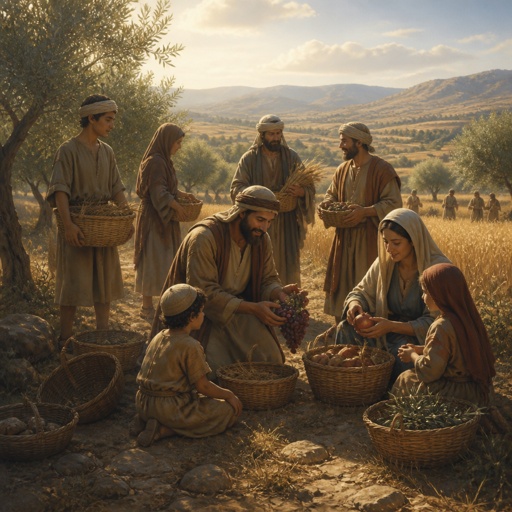
"¶ And the manna ceased on the morrow after they had eaten of the old corn of the land; neither had the children of Israel manna any more; but they did eat of the fruit of the land of Canaan that year." - Joshua 5:12

Joshua 12:5 - "And reigned in mount Hermon, and in Salcah, and in all Bashan, unto the border of the Geshurites and the Maachathites, and half Gilead, the border of Sihon king of Heshbon."

Joshua 1:12 - "¶ And to the Reubenites, and to the Gadites, and to half the tribe of Manasseh, spake Joshua, saying,"

Joshua 6:12 - "¶ And Joshua rose early in the morning, and the priests took up the ark of the LORD."

Joshua 12:12 - "The king of Eglon, one; the king of Gezer, one;"

Joshua 24:12

Joshua 24:12

Joshua 5:3 - "And Joshua made him sharp knives, and circumcised the children of Israel at the hill of the foreskins."

Joshua 5:13

Joshua 3:5 - "And Joshua said unto the people, Sanctify yourselves: for to morrow the LORD will do wonders among you."

Joshua 1:12-16

Joshua 1:12-16

Joshua 5:15 - "And the captain of the LORD'S host said unto Joshua, Loose thy shoe from off thy foot; for the place whereon thou standest is holy. And Joshua did so."

Joshua 5:2 - "¶ At that time the LORD said unto Joshua, Make thee sharp knives, and circumcise again the children of Israel the second time."

Joshua 5:7 - "And their children, whom he raised up in their stead, them Joshua circumcised: for they were uncircumcised, because they had not circumcised them by the way."

Joshua 19:5 - "And Ziklag, and Beth-marcaboth, and Hazar-susah,"

Joshua 12:21 - "The king of Taanach, one; the king of Megiddo, one;"

Joshua 12:11 - "The king of Jarmuth, one; the king of Lachish, one;"

Joshua 12:13 - "The king of Debir, one; the king of Geder, one;"

Joshua 12:17 - "The king of Tappuah, one; the king of Hepher, one;"

Joshua 12:15 - "The king of Libnah, one; the king of Adullam, one;"

Joshua 12:10 - "The king of Jerusalem, one; the king of Hebron, one;"

Joshua 12:18 - "The king of Aphek, one; the king of Lasharon, one;"

Joshua 12:14 - "The king of Hormah, one; the king of Arad, one;"

Joshua 12:19 - "The king of Madon, one; the king of Hazor, one;"

"¶ And to the Reubenites, and to the Gadites, and to half the tribe of Manasseh, spake Joshua, saying," - Joshua 1:12

"The king of Eglon, one; the king of Gezer, one;" - Joshua 12:12
"And reigned in mount Hermon, and in Salcah, and in all Bashan, unto the border of the Geshurites and the Maachathites, and half Gilead, the border of Sihon king of Heshbon." - Joshua 12:5