What does Judges 1:11 mean?
“And from thence he went against the inhabitants of Debir: and the name of Debir before was Kirjath-sepher:” — Judges 1:11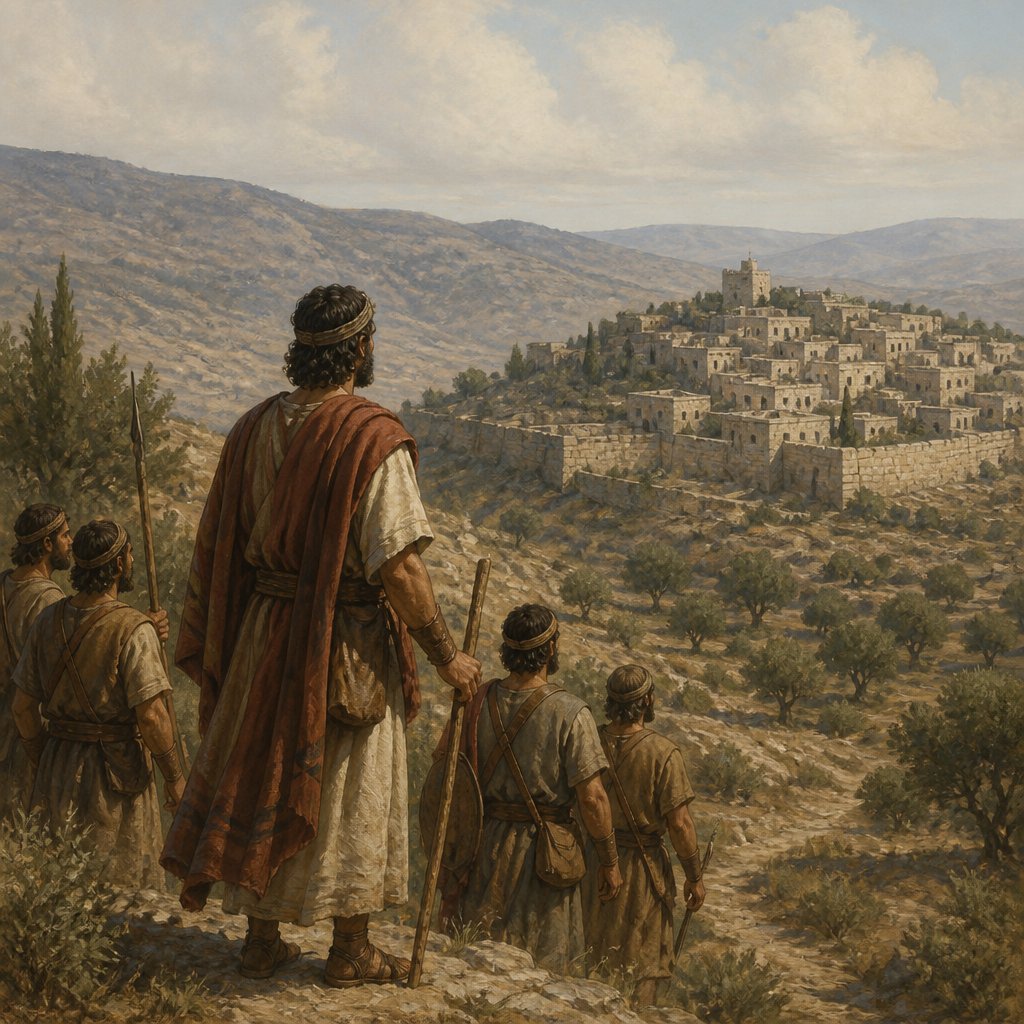
The book of Judges is the seventh book of the Bible, and it details the cycle of disobedience, oppression, repentance, and restoration that the Israelites went through during the period of the judges. The verse Judges 1:11 from the King James Version (KJV) reads, "And from thence he went against the inhabitants of Debir: and the name of Debir before was Kirjathsepher."
To truly understand the significance of this verse, it's important to look at the context in which it is situated. The book of Judges takes place after the death of Joshua, when the Israelites are settling in the Promised Land. However, instead of fully conquering and possessing the land as God commanded them to do, they were lured away by the idolatrous practices of the Canaanites and failed to drive out the inhabitants of the land.
In Judges 1:1-7, the leaders of the tribes of Israel inquire of the Lord as to who should go up first to fight against the Canaanites. The Lord assigns the tribe of Judah to go up, and they seek the help of their brother Simeon. Together, they conquer the Canaanites and Perizzites in Bezek, and then they pursue Adoni-Bezek, capturing him and cutting off his thumbs and big toes. This brutal act serves as a retribution for the way in which Adoni-Bezek had treated seventy kings, cutting off their thumbs and big toes and making them gather food scraps.
The verse Judges 1:11 follows this initial conquest, as the tribe of Judah continues to pursue the inhabitants of the land. They come against the inhabitants of Debir, which had previously been known as Kirjathsepher. This renaming of the city serves as a symbolic gesture of the Israelites exerting their authority and claiming the land that had been promised to them by God.
One of the themes that can be drawn from this verse is the theme of obedience. Throughout the book of Judges, the Israelites fail to fully obey God's commands to drive out the inhabitants of the land, and instead, they compromise and intermingle with the Canaanite people and their idolatrous practices, leading to a cycle of disobedience and oppression. The renaming of Debir by the tribe of Judah can be seen as an act of obedience and faithfulness to God's command to possess the land.
Another theme that can be derived from this verse is the theme of conquest and possession. The renaming of the city of Debir signifies the tribe of Judah's conquest and possession of the land, as they continue to pursue the inhabitants of the land and claim it as their own. This mirrors the broader theme of the Israelites' struggle to fully possess the Promised Land, and serves as a reminder of the importance of fully obeying God's commands and trusting in His promises.
Symbolically, the renaming of the city of Debir can be seen as a representation of the spiritual transformation and renewal that comes with obedience to God. By claiming the city and giving it a new name, the tribe of Judah is taking ownership of the land and asserting their faithfulness to God. This act of conquest and possession can be seen as a metaphor for the spiritual battles that Christians face in their own lives, as they seek to claim the promises and blessings that God has in store for them.
In conclusion, Judges 1:11 from the King James Version of the Bible holds rich theological and symbolic significance within the book of Judges. It serves as a reminder of the importance of obedience, conquest, and possession in the spiritual lives of believers, and it highlights the consequences of failing to fully obey God's commands. As the Israelites continue their conquest of the Promised Land, the renaming of Debir by the tribe of Judah signifies the assertion of their faith and the fulfillment of God's promises.
Get our apps


Artwork for Judges 1:11

Judges 1:11 - "And from thence he went against the inhabitants of Debir: and the name of Debir before was Kirjath-sepher:"
"And from thence he went against the inhabitants of Debir: and the name of Debir before was Kirjath-sepher:" - Judges 1:11

1 Corinthians 11:31 - "For if we would judge ourselves, we should not be judged."

Judges 11:1 - "Now Jephthah the Gileadite was a mighty man of valour, and he was the son of an harlot: and Gilead begat Jephthah."

"For if we would judge ourselves, we should not be judged." - 1 Corinthians 11:31

Acts 1:1-11

1 Corinthians 11:13 - "Judge in yourselves: is it comely that a woman pray unto God uncovered?"

Acts 1:1-11

1 Corinthians 11:32 - "But when we are judged, we are chastened of the Lord, that we should not be condemned with the world."

Judges 12:11 - "¶ And after him Elon, a Zebulonite, judged Israel; and he judged Israel ten years."

Revelation 1:11

Isaiah 11:1

Job 31:11 - "For this is an heinous crime; yea, it is an iniquity to be punished by the judges."

Revelation 1:11

Nehemiah 11:1-19
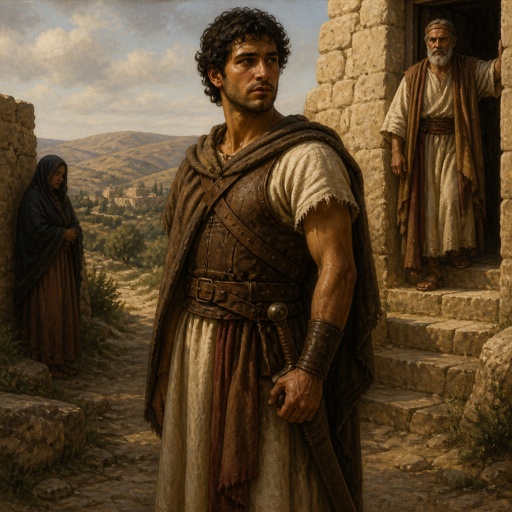
"Now Jephthah the Gileadite was a mighty man of valour, and he was the son of an harlot: and Gilead begat Jephthah." - Judges 11:1

Psalms 148:11 - "Kings of the earth, and all people; princes, and all judges of the earth:"

Judges 2:11 - "¶ And the children of Israel did evil in the sight of the LORD, and served Baalim:"

Judges 11:14 - "And Jephthah sent messengers again unto the king of the children of Ammon:"

Judges 3:11 - "And the land had rest forty years. And Othniel the son of Kenaz died."

Judges 14:11 - "And it came to pass, when they saw him, that they brought thirty companions to be with him."
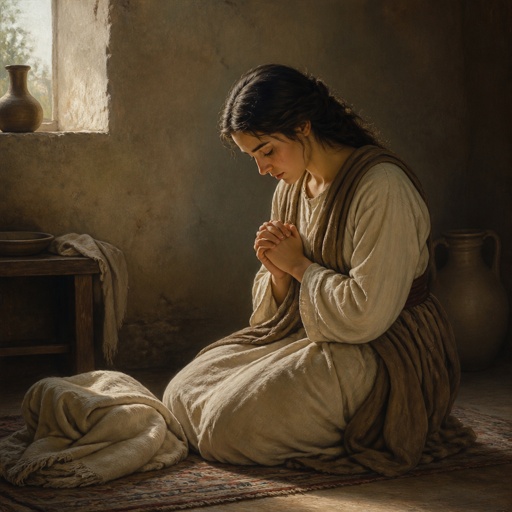
"Judge in yourselves: is it comely that a woman pray unto God uncovered?" - 1 Corinthians 11:13

Judges 11:11 - "Then Jephthah went with the elders of Gilead, and the people made him head and captain over them: and Jephthah uttered all his words before the LORD in Mizpeh."

Judges 11:4 - "¶ And it came to pass in process of time, that the children of Ammon made war against Israel."

Judges 11:27 - "Wherefore I have not sinned against thee, but thou doest me wrong to war against me: the LORD the Judge be judge this day between the children of Israel and the children of Ammon."

Judges 17:11 - "And the Levite was content to dwell with the man; and the young man was unto him as one of his sons."

Judges 11:40 - "That the daughters of Israel went yearly to lament the daughter of Jephthah the Gileadite four days in a year."

Judges 11:6 - "And they said unto Jephthah, Come, and be our captain, that we may fight with the children of Ammon."

Judges 11:28 - "Howbeit the king of the children of Ammon hearkened not unto the words of Jephthah which he sent him."

John 16:11 - "Of judgment, because the prince of this world is judged."