What does Judges 10:4 mean?
“And he had thirty sons that rode on thirty ass colts, and they had thirty cities, which are called Havoth-jair unto this day, which are in the land of Gilead.” — Judges 10:4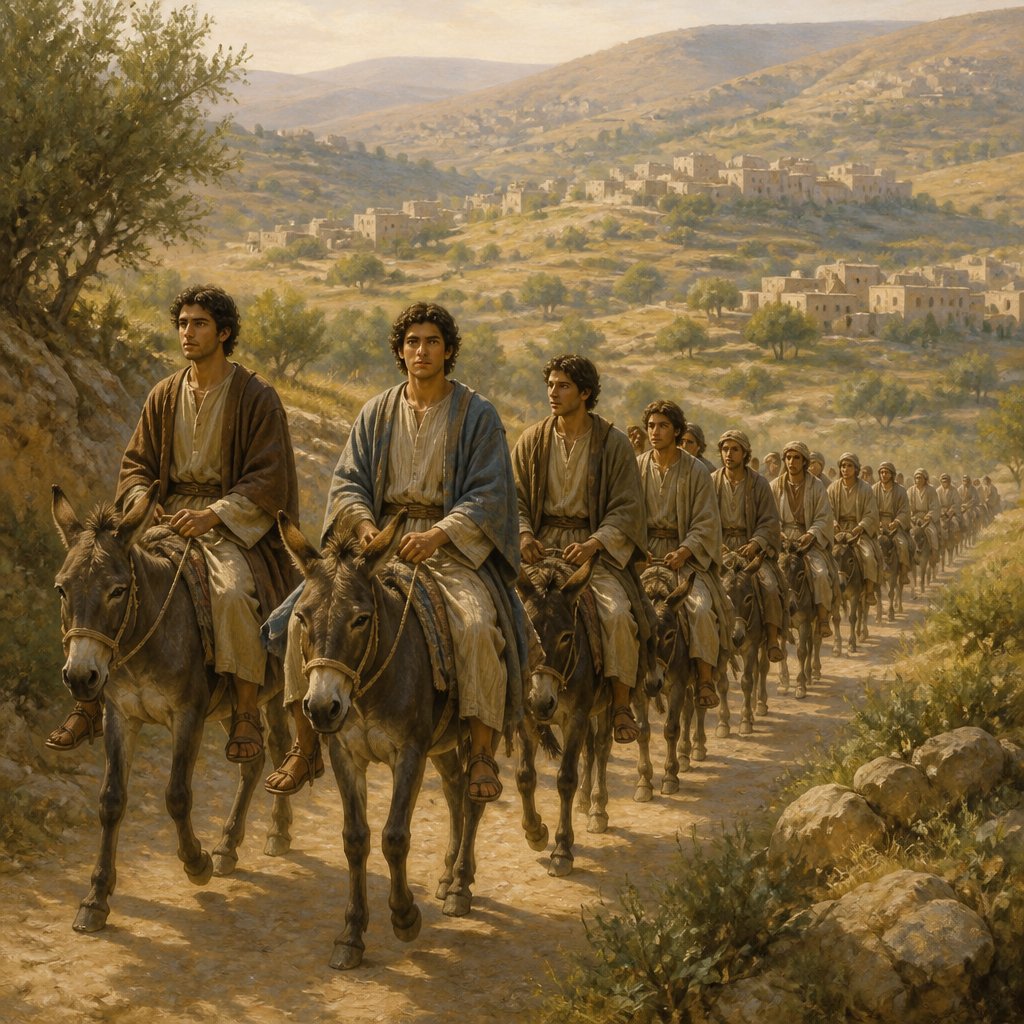
The verse Judges 10:4 in the King James Version reads, "And he had thirty sons that rode on thirty ass colts, and they had thirty cities, which are called Havothjair unto this day, which are in the land of Gilead." At first glance, this verse may seem like a simple statement of the lineage and possessions of a particular individual, but upon closer examination, we can uncover a wealth of meaning, context, and symbolism.
The book of Judges takes place during a turbulent time in Israel's history when the Israelites were ruled by a series of "judges" who were raised up by God to deliver them from their enemies. The verse in question is part of the story of Jair, one of the judges mentioned in the book of Judges. Jair was a Gileadite who judged Israel for 22 years following the rule of Tola. During his reign, he acquired significant wealth and influence, as evidenced by the verse's reference to his thirty sons riding on ass colts and the existence of thirty cities called Havothjair.
One of the key themes in this verse is the concept of inheritance and legacy. In ancient Israelite society, the number of sons a man had and the land he possessed were crucial elements of his legacy. In this case, Jair's thirty sons and the thirty cities he controlled would have been seen as a sign of his wealth, power, and influence. This theme of inheritance is significant in the broader context of the book of Judges, as it reflects the importance of passing down a godly heritage from one generation to the next.
Furthermore, the verse highlights the connection between the land and its people. In ancient Israel, the possession of land was intimately tied to one's identity and security. The fact that Jair's sons rode on ass colts and that they had thirty cities under their control underscores the idea that they were a powerful and influential family in the region of Gilead. This reflects the broader biblical theme of the Promised Land as a central aspect of God's covenant with Israel and the importance of stewardship and responsibility in relation to the land.
Symbolically, the number "thirty" in this verse holds significance in biblical numerology. In the Bible, the number thirty often represents dedication, maturity, and the coming of age. It can also symbolize a period of preparation or the beginning of a new phase in one's life. In the case of Jair and his thirty sons, the number thirty may symbolize the fullness and completeness of their inheritance and the responsibility that comes with it. It also speaks to the idea of the next generation coming into their own and carrying on the legacy of their father.
From a broader perspective, this verse can serve as a reminder of the importance of stewardship and the responsibilities that come with wealth, power, and influence. Jair's story challenges us to consider how we are using the resources and influence that we have been given. Are we being good stewards of the legacy that has been entrusted to us? Are we using our blessings to make a positive impact on the world around us?
In conclusion, Judges 10:4 may initially seem like a straightforward account of Jair's lineage and possessions, but upon closer examination, it reveals deep layers of meaning and significance. It speaks to themes of inheritance, legacy, stewardship, and the connection between land and people. Symbolically, the number thirty holds further significance in representing maturity, dedication, and the responsibilities that come with wealth and influence. Ultimately, this verse challenges us to consider how we are using our own resources and blessings to honor the legacy that has been entrusted to us.
Get our apps


Artwork for Judges 10:4

Judges 10:4 - "And he had thirty sons that rode on thirty ass colts, and they had thirty cities, which are called Havoth-jair unto this day, which are in the land of Gilead."
"And he had thirty sons that rode on thirty ass colts, and they had thirty cities, which are called Havoth-jair unto this day, which are in the land of Gilead." - Judges 10:4

Judges 4:10 - "¶ And Barak called Zebulun and Naphtali to Kedesh; and he went up with ten thousand men at his feet: and Deborah went up with him."

Judges 4:4

Judges 4:4 - "¶ And Deborah, a prophetess, the wife of Lapidoth, she judged Israel at that time."

Judges 10:5 - "And Jair died, and was buried in Camon."

Judges 12:10 - "Then died Ibzan, and was buried at Beth-lehem."

Judges 10:2 - "And he judged Israel twenty and three years, and died, and was buried in Shamir."

Judges 10:3 - "¶ And after him arose Jair, a Gileadite, and judged Israel twenty and two years."

Judges 4:4 - "¶ And Deborah, a prophetess, the wife of Lapidoth, she judged Israel at that time."

"¶ And Deborah, a prophetess, the wife of Lapidoth, she judged Israel at that time." - Judges 4:4

Judges 9:10 - "And the trees said to the fig tree, Come thou, and reign over us."
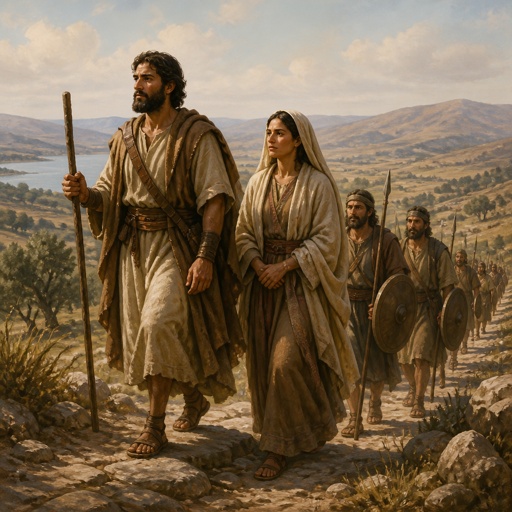
"¶ And Barak called Zebulun and Naphtali to Kedesh; and he went up with ten thousand men at his feet: and Deborah went up with him." - Judges 4:10

James 2:4 - "Are ye not then partial in yourselves, and are become judges of evil thoughts?"

Psalms 2:10 - "Be wise now therefore, O ye kings: be instructed, ye judges of the earth."

"And Jair died, and was buried in Camon." - Judges 10:5

Judges 5:10 - "Speak, ye that ride on white asses, ye that sit in judgment, and walk by the way."

Judges 4:15 – "The Lord routed Sisera and all his chariots and army by the sword."

Judges 7:10 - "But if thou fear to go down, go thou with Phurah thy servant down to the host:"

Judges 10:10 - "¶ And the children of Israel cried unto the LORD, saying, We have sinned against thee, both because we have forsaken our God, and also served Baalim."

Judges 4:12 - "And they shewed Sisera that Barak the son of Abinoam was gone up to mount Tabor."

"Then died Ibzan, and was buried at Beth-lehem." - Judges 12:10

Judges 4:23 - "So God subdued on that day Jabin the king of Canaan before the children of Israel."

Judges 4:1 - "And the children of Israel again did evil in the sight of the LORD, when Ehud was dead."

Judges 11:4 - "¶ And it came to pass in process of time, that the children of Ammon made war against Israel."

Ezekiel 20:4 - "Wilt thou judge them, son of man, wilt thou judge them? cause them to know the abominations of their fathers:"

Judges 10:7 - "And the anger of the LORD was hot against Israel, and he sold them into the hands of the Philistines, and into the hands of the children of Ammon."

Judges 10:13 - "Yet ye have forsaken me, and served other gods: wherefore I will deliver you no more."

Judges 16:4 - "¶ And it came to pass afterward, that he loved a woman in the valley of Sorek, whose name was Delilah."

Judges 10:16 - "And they put away the strange gods from among them, and served the LORD: and his soul was grieved for the misery of Israel."