What does Judges 14:3 mean?
“Then his father and his mother said unto him, Is there never a woman among the daughters of thy brethren, or among all my people, that thou goest to take a wife of the uncircumcised Philistines? And Samson said unto his father, Get her for me; for she pleaseth me well.” — Judges 14:3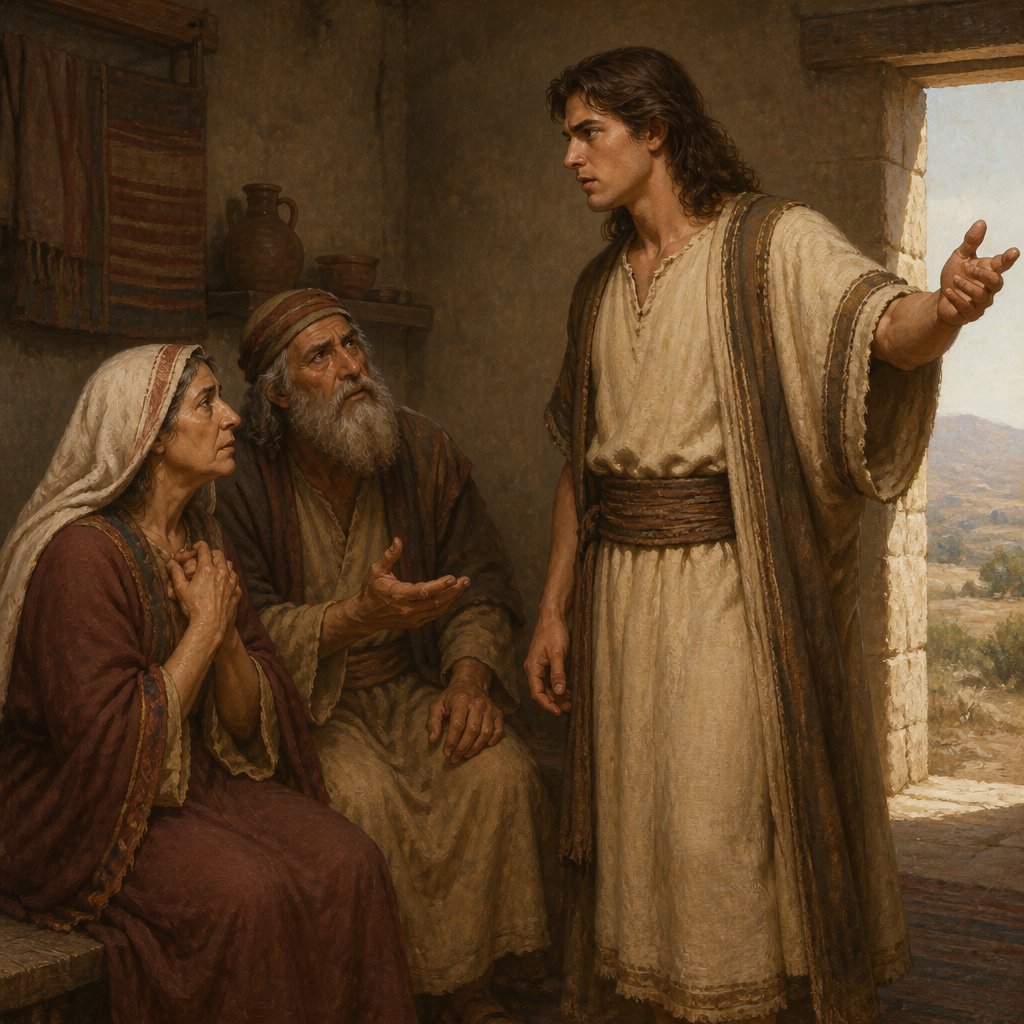
In Judges 14:3 from the King James Version (KJV), the verse reads, "Then his father and his mother said unto him, Is there never a woman among the daughters of thy brethren, or among all my people, that thou goest to take a wife of the uncircumcised Philistines? And Samson said unto his father, Get her for me; for she pleaseth me well."
This verse takes place in the Old Testament book of Judges, during the time of the judges in Israel, before the establishment of the monarchy. The story of Samson is one of the most well-known narratives in the Bible, as it is filled with elements of strength, betrayal, and redemption. Samson was a judge of Israel who had been set apart by God from birth to deliver Israel from the oppression of the Philistines.
In this particular verse, we are given a glimpse into the controversial decision that Samson makes to take a wife from among the Philistines, who were enemies of the Israelites. His parents were understandably concerned about his choice of a wife, as the Philistines were known for their pagan practices and their hostility towards the Israelites. The fact that Samson's parents express their disapproval of his decision highlights the cultural and religious divides that existed between the Israelites and the Philistines.
One of the key themes that can be derived from this verse is the idea of disobedience and rebellion. Samson's defiance of his parents' wishes reflects his strong-willed nature and his independence. Despite his parents' concerns and warnings about the potential consequences of marrying a woman from the uncircumcised Philistines, Samson goes against their wishes and insists on marrying her. This act of rebellion sets the stage for the rest of Samson's story, as he continues to make choices that are driven by his own desires and impulses, rather than by obedience to God or respect for those in authority.
Additionally, there is a theme of romance and desire in this verse. Samson's insistence on marrying the Philistine woman is driven by his attraction to her, as he declares that "she pleaseth me well." This illustrates the powerful influence that romantic love can have on individuals, sometimes leading them to make decisions that go against the advice or concern of others. Samson's infatuation with the woman ultimately leads to a series of events that will have significant ramifications for both himself and the people of Israel.
Symbolically, the verse can be seen as a representation of the struggle between faith and worldly desires. Samson's decision to marry a Philistine woman symbolizes the temptation to stray from God's commands and to be swayed by the attractions of the world. The uncircumcised Philistines were not part of the covenant with God, and thus Samson's decision to marry one of them represents a departure from his identity as an Israelite who was called to serve and obey God.
In conclusion, Judges 14:3 is a pivotal verse in the story of Samson, as it sets the stage for the conflicts and challenges that he will face throughout his life. The themes of rebellion, romance, and the struggle between faith and worldly desires are all present in this verse, making it a rich source of reflection and contemplation for readers. Ultimately, the story of Samson serves as a cautionary tale about the consequences of allowing personal desires to overshadow one's commitment to God.
Get our apps


Artwork for Judges 14:3

Judges 14:3 - "Then his father and his mother said unto him, Is there never a woman among the daughters of thy brethren, or among all my people, that thou goest to take a wife of the uncircumcised Philistines? And Samson said unto his father, Get her for me; for she pleaseth me well."
"Then his father and his mother said unto him, Is there never a woman among the daughters of thy brethren, or among all my people, that thou goest to take a wife of the uncircumcised Philistines? And Samson said unto his father, Get her for me; for she pleaseth me well." - Judges 14:3

Judges 3:14 - "So the children of Israel served Eglon the king of Moab eighteen years."
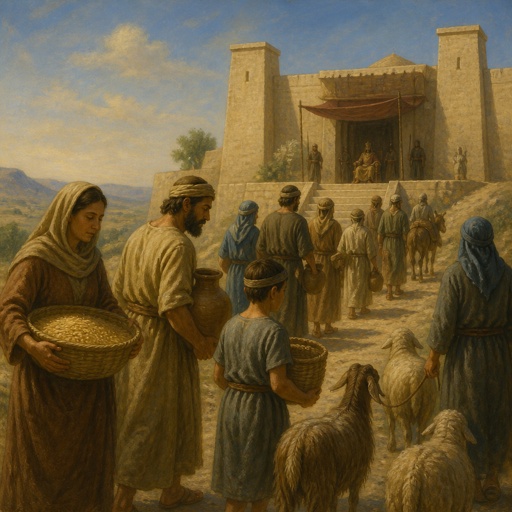
"So the children of Israel served Eglon the king of Moab eighteen years." - Judges 3:14

Romans 14:3 - "Let not him that eateth despise him that eateth not; and let not him which eateth not judge him that eateth: for God hath received him."

Judges 3:31

Judges 11:14 - "And Jephthah sent messengers again unto the king of the children of Ammon:"

Judges 14:11 - "And it came to pass, when they saw him, that they brought thirty companions to be with him."

Judges 14:1 - "And Samson went down to Timnath, and saw a woman in Timnath of the daughters of the Philistines."

Judges 14:7 - "And he went down, and talked with the woman; and she pleased Samson well."

Judges 14:14 - "And he said unto them, Out of the eater came forth meat, and out of the strong came forth sweetness. And they could not in three days expound the riddle."

Judges 9:14 - "Then said all the trees unto the bramble, Come thou, and reign over us."

Zephaniah 3:3 - "Her princes within her are roaring lions; her judges are evening wolves; they gnaw not the bones till the morrow."

Judges 10:3 - "¶ And after him arose Jair, a Gileadite, and judged Israel twenty and two years."

Judges 14:20 - "But Samson's wife was given to his companion, whom he had used as his friend."

Judges 12:14 - "And he had forty sons and thirty nephews, that rode on threescore and ten ass colts: and he judged Israel eight years."

Judges 3:6 - "And they took their daughters to be their wives, and gave their daughters to their sons, and served their gods."

Romans 14:13 - "Let us not therefore judge one another any more: but judge this rather, that no man put a stumblingblock or an occasion to fall in his brother's way."

Judges 3:11 - "And the land had rest forty years. And Othniel the son of Kenaz died."

Judges 13:3 make the Angel of the Lord male

Judges 3:3 - "Namely, five lords of the Philistines, and all the Canaanites, and the Sidonians, and the Hivites that dwelt in mount Lebanon, from mount Baal-hermon unto the entering in of Hamath."

Judges 19:14 - "And they passed on and went their way; and the sun went down upon them when they were by Gibeah, which belongeth to Benjamin."

Judges 3:5 - "¶ And the children of Israel dwelt among the Canaanites, Hittites, and Amorites, and Perizzites, and Hivites, and Jebusites:"

Judges 3:26 - "And Ehud escaped while they tarried, and passed beyond the quarries, and escaped unto Seirath."

Judges 10:14 - "Go and cry unto the gods which ye have chosen; let them deliver you in the time of your tribulation."

Judges 20:14 - "But the children of Benjamin gathered themselves together out of the cities unto Gibeah, to go out to battle against the children of Israel."

Judges 14:10 - "¶ So his father went down unto the woman: and Samson made there a feast; for so used the young men to do."

Judges 3:17 - "And he brought the present unto Eglon king of Moab: and Eglon was a very fat man."

1 Corinthians 14:29 - "Let the prophets speak two or three, and let the other judge."
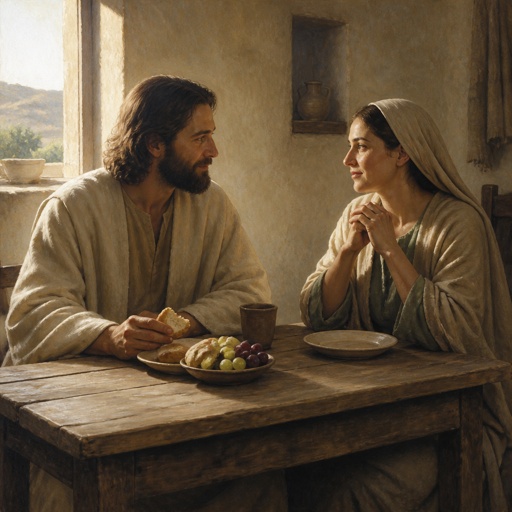
"Let not him that eateth despise him that eateth not; and let not him which eateth not judge him that eateth: for God hath received him." - Romans 14:3