What does Judges 16:30 mean?
“And Samson said, Let me die with the Philistines. And he bowed himself with all his might; and the house fell upon the lords, and upon all the people that were therein. So the dead which he slew at his death were more than they which he slew in his life.” — Judges 16:30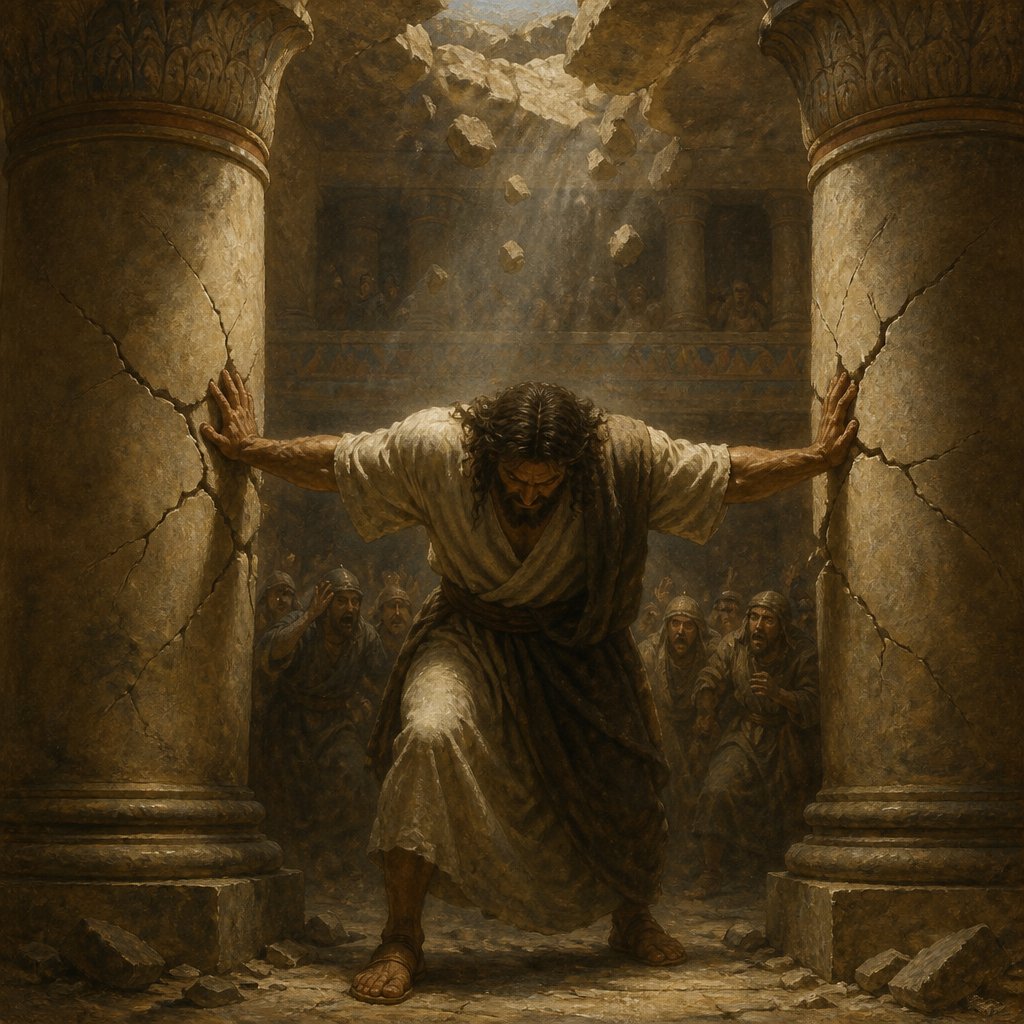
The Bible verse Judges 16:30 in the King James Version (KJV) states, “And Samson said, Let me die with the Philistines. And he bowed himself with all his might; and the house fell upon the lords, and upon all the people that were therein. So the dead which he slew at his death were more than they which he slew in his life.”
This verse marks the dramatic end of the life of Samson, one of the most well-known figures in the Old Testament. Samson was a judge of Israel, chosen by God to deliver the Israelites from the oppression of the Philistines. He was known for his incredible strength, which he attributed to his uncut hair, a sign of his dedication to God. However, his downfall came when he fell in love with a Philistine woman named Delilah, who betrayed him by cutting his hair, thereby weakening him and allowing the Philistines to capture and imprison him.
The verse Judges 16:30 is the culmination of Samson’s story, as he is brought to the temple of the Philistine god Dagon, where he is forced to perform as a spectacle. However, by this point, Samson’s hair has grown back, and with it, his strength. In a final act of desperation and calling upon God for strength, Samson pushes down the pillars of the temple, causing it to collapse and killing himself along with all the Philistines inside.
The verse is filled with themes that are central to the overarching narrative of the Bible. One such theme is the concept of redemption. Despite his failings and flaws, Samson’s ultimate act of sacrifice serves as a redeeming moment, as he fulfills his role as a deliverer of the Israelites from their enemies. This act reflects the idea of God using flawed individuals to accomplish His purposes, demonstrating that even in our weaknesses, God can work through us to bring about His plans.
Another theme that can be observed in this verse is the consequences of sin. Samson’s downfall came as a result of his own disobedience to the commandments of God, particularly in his relationships with foreign women. The consequences of his actions ultimately led to his capture and suffering at the hands of the Philistines. This serves as a warning about the destructive nature of sin and the importance of staying faithful to God’s teachings.
The verse also highlights the theme of divine justice. Despite his moments of weakness and moral failings, Samson is ultimately vindicated by God as he is given the strength to defeat the enemies of Israel. This serves as a reminder that God is a just and righteous judge who will ultimately bring justice to those who are faithful to Him.
In terms of context, the story of Samson is situated within the broader historical and cultural context of the Israelites’ struggle against their enemies, the Philistines. The conflict between the Israelites and the Philistines is a recurring theme in the Bible, and the story of Samson serves as a microcosm of this larger struggle. His strength and determination in the face of overwhelming odds symbolize the resilience and perseverance of the Israelite people as they seek to overcome their oppressors.
Symbolism plays a significant role in this verse as well. The collapse of the temple symbolizes the destruction of the power of the Philistines and the triumph of God’s strength over the forces of evil. Additionally, Samson’s death serves as a symbol of sacrifice and redemption, as he gives his life in order to fulfill his role as a deliverer of his people.
In conclusion, Judges 16:30 is a powerful and dramatic climax to the story of Samson, encapsulating themes of redemption, consequences of sin, divine justice, and the broader struggle between the Israelites and the Philistines. Through its rich symbolism and historical context, this verse continues to resonate as a timeless and poignant account of the complexities of human nature and the enduring power of God’s justice and redemption.
Get our apps


Artwork for Judges 16:30

judges 16:30

Sampson's strength judges 16:30

Judges 16:30 – "Samson said, 'Let me die with the Philistines!' Then he pushed with all his might, and down came the temple."

Judges 16:30 - "And Samson said, Let me die with the Philistines. And he bowed himself with all his might; and the house fell upon the lords, and upon all the people that were therein. So the dead which he slew at his death were more than they which he slew in his life."
"And Samson said, Let me die with the Philistines. And he bowed himself with all his might; and the house fell upon the lords, and upon all the people that were therein. So the dead which he slew at his death were more than they which he slew in his life." - Judges 16:30

Judges 2:16 - "¶ Nevertheless the LORD raised up judges, which delivered them out of the hand of those that spoiled them."

Judges 8:30 - "And Gideon had threescore and ten sons of his body begotten: for he had many wives."

Judges 9:30 - "¶ And when Zebul the ruler of the city heard the words of Gaal the son of Ebed, his anger was kindled."

Judges 3:30 - "So Moab was subdued that day under the hand of Israel. And the land had rest fourscore years."

Judges 11:30 - "And Jephthah vowed a vow unto the LORD, and said, If thou shalt without fail deliver the children of Ammon into mine hands,"

Judges 20:30 - "And the children of Israel went up against the children of Benjamin on the third day, and put themselves in array against Gibeah, as at other times."

Judges 1:30 - "¶ Neither did Zebulun drive out the inhabitants of Kitron, nor the inhabitants of Nahalol; but the Canaanites dwelt among them, and became tributaries."

Exodus 16:30 - "So the people rested on the seventh day."

Judges 16:16 - "And it came to pass, when she pressed him daily with her words, and urged him, so that his soul was vexed unto death;"

Judges 16:1 - "Then went Samson to Gaza, and saw there an harlot, and went in unto her."

Proverbs 8:16 - "By me princes rule, and nobles, even all the judges of the earth."

Judges 16:22 - "Howbeit the hair of his head began to grow again after he was shaven."

Ezekiel 16:38 - "And I will judge thee, as women that break wedlock and shed blood are judged; and I will give thee blood in fury and jealousy."

Judges 16:4 - "¶ And it came to pass afterward, that he loved a woman in the valley of Sorek, whose name was Delilah."

John 16:11 - "Of judgment, because the prince of this world is judged."

Judges 8:16 - "And he took the elders of the city, and thorns of the wilderness and briers, and with them he taught the men of Succoth."

Luke 22:30 - "That ye may eat and drink at my table in my kingdom, and sit on thrones judging the twelve tribes of Israel."

Proverbs 30:16 - "The grave; and the barren womb; the earth that is not filled with water; and the fire that saith not, It is enough."

Judges 6:16 - "And the LORD said unto him, Surely I will be with thee, and thou shalt smite the Midianites as one man."
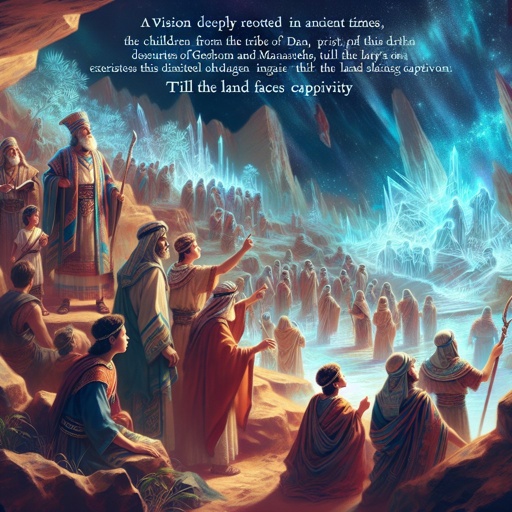
Judges 18:30 - "¶ And the children of Dan set up the graven image: and Jonathan, the son of Gershom, the son of Manasseh, he and his sons were priests to the tribe of Dan until the day of the captivity of the land."

Judges 18:16 - "And the six hundred men appointed with their weapons of war, which were of the children of Dan, stood by the entering of the gate."

Acts 16:30 - "And brought them out, and said, Sirs, what must I do to be saved?"
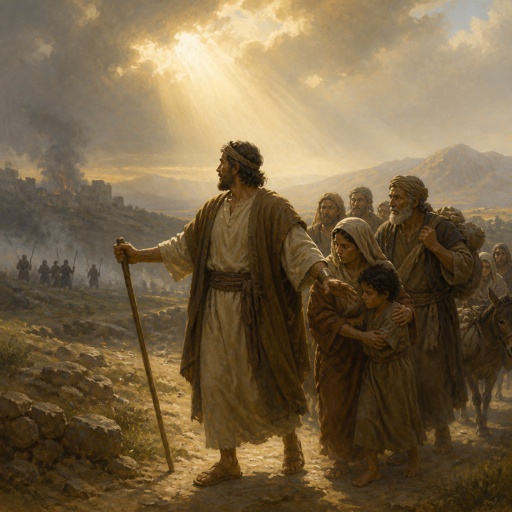
"¶ Nevertheless the LORD raised up judges, which delivered them out of the hand of those that spoiled them." - Judges 2:16

Deuteronomy 1:16 - "And I charged your judges at that time, saying, Hear the causes between your brethren, and judge righteously between every man and his brother, and the stranger that is with him."

Judges 5:16 - "Why abodest thou among the sheepfolds, to hear the bleatings of the flocks? For the divisions of Reuben there were great searchings of heart."