What does Judges 19:1 mean?
“And it came to pass in those days, when there was no king in Israel, that there was a certain Levite sojourning on the side of mount Ephraim, who took to him a concubine out of Beth-lehem-judah.” — Judges 19:1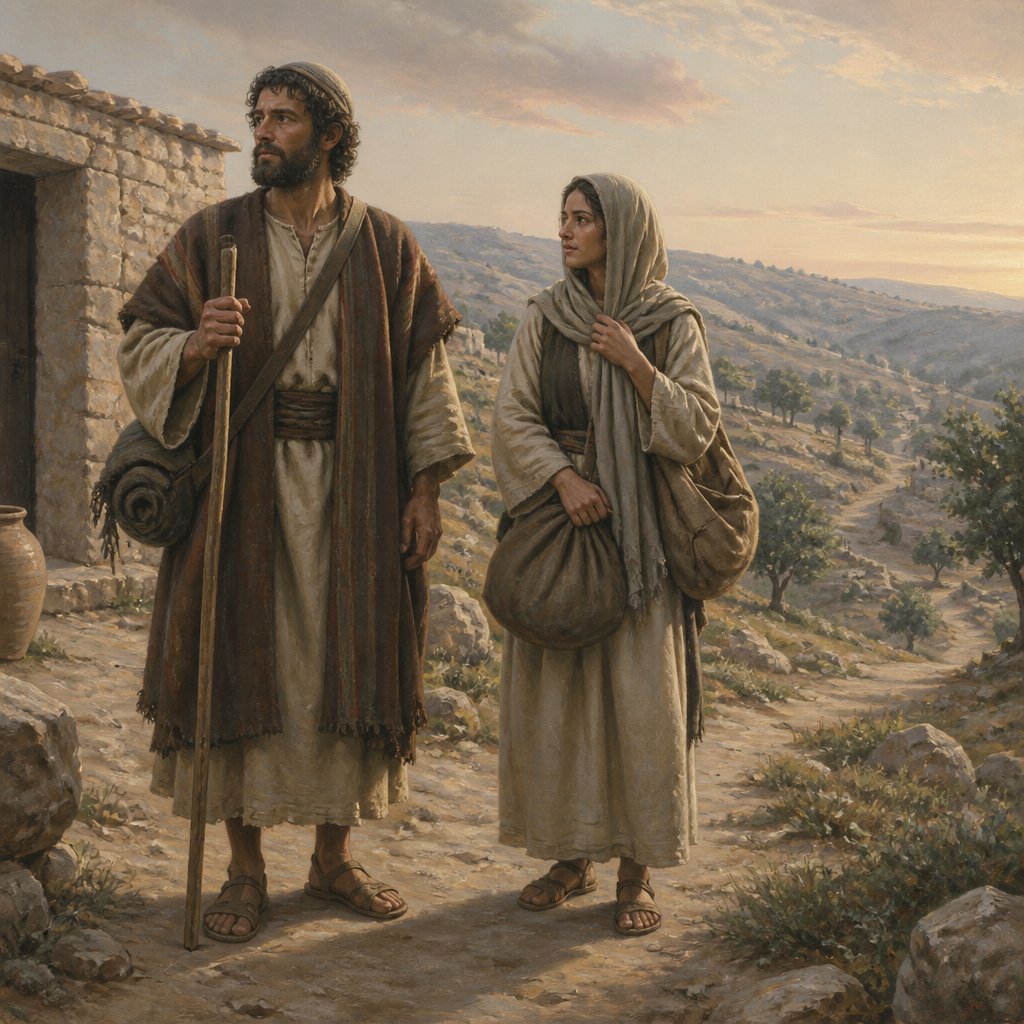
As per your instruction, here is the detailed and in-depth meaning and commentary for Judges 19:1 from the King James Version (KJV) of the Bible.
The verse Judges 19:1 in the King James Version (KJV) states, "And it came to pass in those days, when there was no king in Israel, that there was a certain Levite sojourning on the side of mount Ephraim, who took to him a concubine out of Bethlehemjudah."
This verse is from the Book of Judges, which is part of the historical books of the Old Testament. The Book of Judges covers the period of time between the death of Joshua and the rise of the monarchy in Israel. The key theme of the book is the cycle of sin, punishment, repentance, and deliverance, which is repeated throughout the narrative.
The verse begins with the statement "And it came to pass in those days, when there was no king in Israel," which sets the context for the events that follow. This phrase highlights the chaotic and lawless state of Israel during this time. Without a centralized authority, the Israelites were prone to moral and spiritual decline, leading to the events described in the following verses.
The verse then introduces a certain Levite who is sojourning on the side of mount Ephraim. The Levites were a tribe of priests who served in the tabernacle and later the temple. The fact that the Levite is mentioned in this verse is significant, as it establishes his religious and moral standing within the Israelite community.
The verse goes on to mention that the Levite took a concubine out of Bethlehemjudah. The mention of a concubine indicates that she was not his wife but held a lower social status. This sets the stage for the events that unfold in the subsequent chapters, which involve the mistreatment of the concubine and the consequences that follow.
Overall, this verse serves as an introduction to the narrative that follows in Judges 19-21, which describes a series of atrocities committed within the tribe of Benjamin. These events ultimately lead to a civil war within Israel and serve as a reflection of the moral and spiritual decay that occurred in the absence of a king and under the influence of idolatry.
Symbolically, this verse can be interpreted as a commentary on the consequences of moral and spiritual decline. The lack of a centralized authority in Israel led to a breakdown of social order and moral standards, as evidenced by the mistreatment of the concubine and the resulting conflict. The verse serves as a warning about the dangers of turning away from God and the importance of righteous leadership.
In conclusion, Judges 19:1 from the King James Version of the Bible sets the stage for the narrative that follows in the subsequent chapters. It establishes the context of moral and spiritual decay in Israel and serves as a warning about the consequences of turning away from God. The events that unfold reflect the cycle of sin and punishment that is a central theme in the Book of Judges, and the verse can be interpreted as a commentary on the need for righteous leadership and the dangers of moral decline.
Get our apps


Artwork for Judges 19:1

Judges 19:1 - "And it came to pass in those days, when there was no king in Israel, that there was a certain Levite sojourning on the side of mount Ephraim, who took to him a concubine out of Beth-lehem-judah."
"And it came to pass in those days, when there was no king in Israel, that there was a certain Levite sojourning on the side of mount Ephraim, who took to him a concubine out of Beth-lehem-judah." - Judges 19:1

Judges 1:19 - "And the LORD was with Judah; and he drave out the inhabitants of the mountain; but could not drive out the inhabitants of the valley, because they had chariots of iron."

Judges 20:19 - "And the children of Israel rose up in the morning, and encamped against Gibeah."

Judges 19:19 - "Yet there is both straw and provender for our asses; and there is bread and wine also for me, and for thy handmaid, and for the young man which is with thy servants: there is no want of any thing."

2 Chronicles 19:6 - "And said to the judges, Take heed what ye do: for ye judge not for man, but for the LORD, who is with you in the judgment."

2 Chronicles 19:5 - "¶ And he set judges in the land throughout all the fenced cities of Judah, city by city,"

Judges 5:19 - "The kings came and fought, then fought the kings of Canaan in Taanach by the waters of Megiddo; they took no gain of money."

Judges 19:14 - "And they passed on and went their way; and the sun went down upon them when they were by Gibeah, which belongeth to Benjamin."

Judges 19:26 - "Then came the woman in the dawning of the day, and fell down at the door of the man's house where her lord was, till it was light."

Judges 19:7 - "And when the man rose up to depart, his father in law urged him: therefore he lodged there again."

Deuteronomy 19:18 - "And the judges shall make diligent inquisition: and, behold, if the witness be a false witness, and hath testified falsely against his brother;"

Judges 19:21 - "So he brought him into his house, and gave provender unto the asses: and they washed their feet, and did eat and drink."
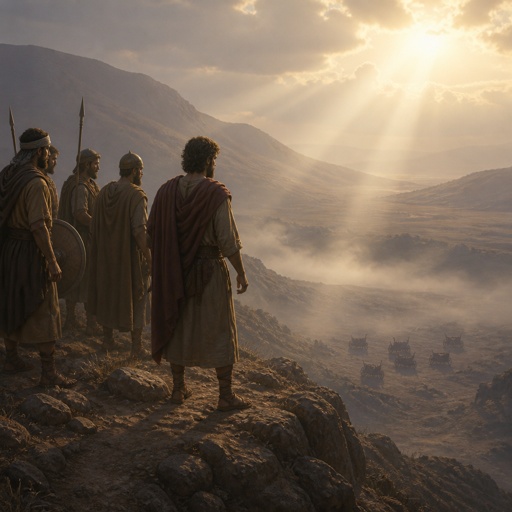
"And the LORD was with Judah; and he drave out the inhabitants of the mountain; but could not drive out the inhabitants of the valley, because they had chariots of iron." - Judges 1:19

Judges 19:20 - "And the old man said, Peace be with thee; howsoever let all thy wants lie upon me; only lodge not in the street."

Luke 11:19 - "And if I by Beelzebub cast out devils, by whom do your sons cast them out? therefore shall they be your judges."

Deuteronomy 19:17 - "Then both the men, between whom the controversy is, shall stand before the LORD, before the priests and the judges, which shall be in those days;"
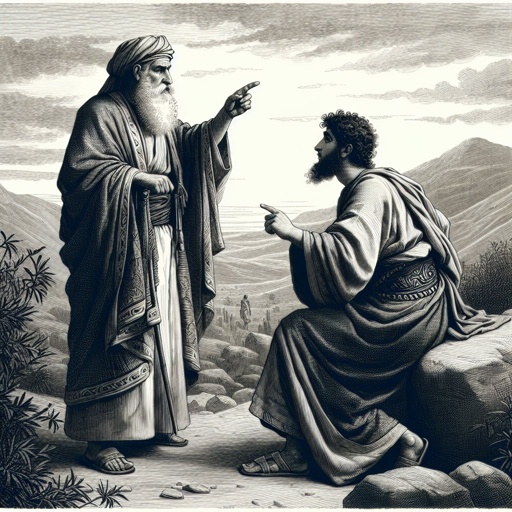
Judges 19:12 - "And his master said unto him, We will not turn aside hither into the city of a stranger, that is not of the children of Israel; we will pass over to Gibeah."

Judges 19:13 - "And he said unto his servant, Come, and let us draw near to one of these places to lodge all night, in Gibeah, or in Ramah."

Judges 19:4 - "And his father in law, the damsel's father, retained him; and he abode with him three days: so they did eat and drink, and lodged there."

Judges 9:19 - "If ye then have dealt truly and sincerely with Jerubbaal and with his house this day, then rejoice ye in Abimelech, and let him also rejoice in you:"

Matthew 7:1 - "Judge not, that ye be not judged."

Judges 4:4

Psalms 9:19 - "Arise, O LORD; let not man prevail: let the heathen be judged in thy sight."

Judges 2:31
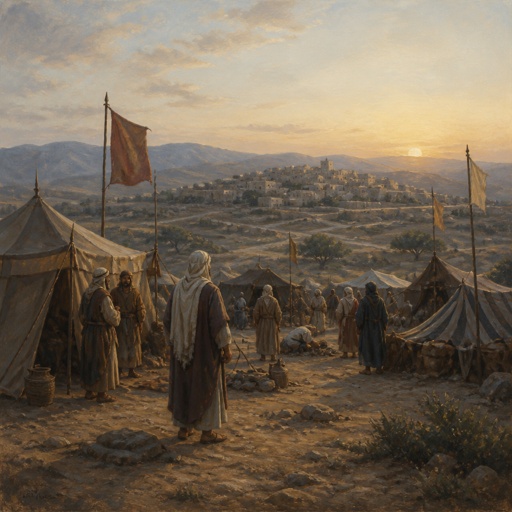
"And the children of Israel rose up in the morning, and encamped against Gibeah." - Judges 20:19

Judges 3:31

Judges 13:19 - "So Manoah took a kid with a meat offering, and offered it upon a rock unto the LORD: and the angel did wondrously; and Manoah and his wife looked on."

Matthew 7:1-2 - "Do not judge, or you too will be judged. For in the same way you judge others, you will be judged, and with the measure you use, it will be measured to you."

Judges 8:19 - "And he said, They were my brethren, even the sons of my mother: as the LORD liveth, if ye had saved them alive, I would not slay you."