What does Judges 1:16 mean?
“And the children of the Kenite, Moses’ father in law, went up out of the city of palm trees with the children of Judah into the wilderness of Judah, which lieth in the south of Arad; and they went and dwelt among the people.” — Judges 1:16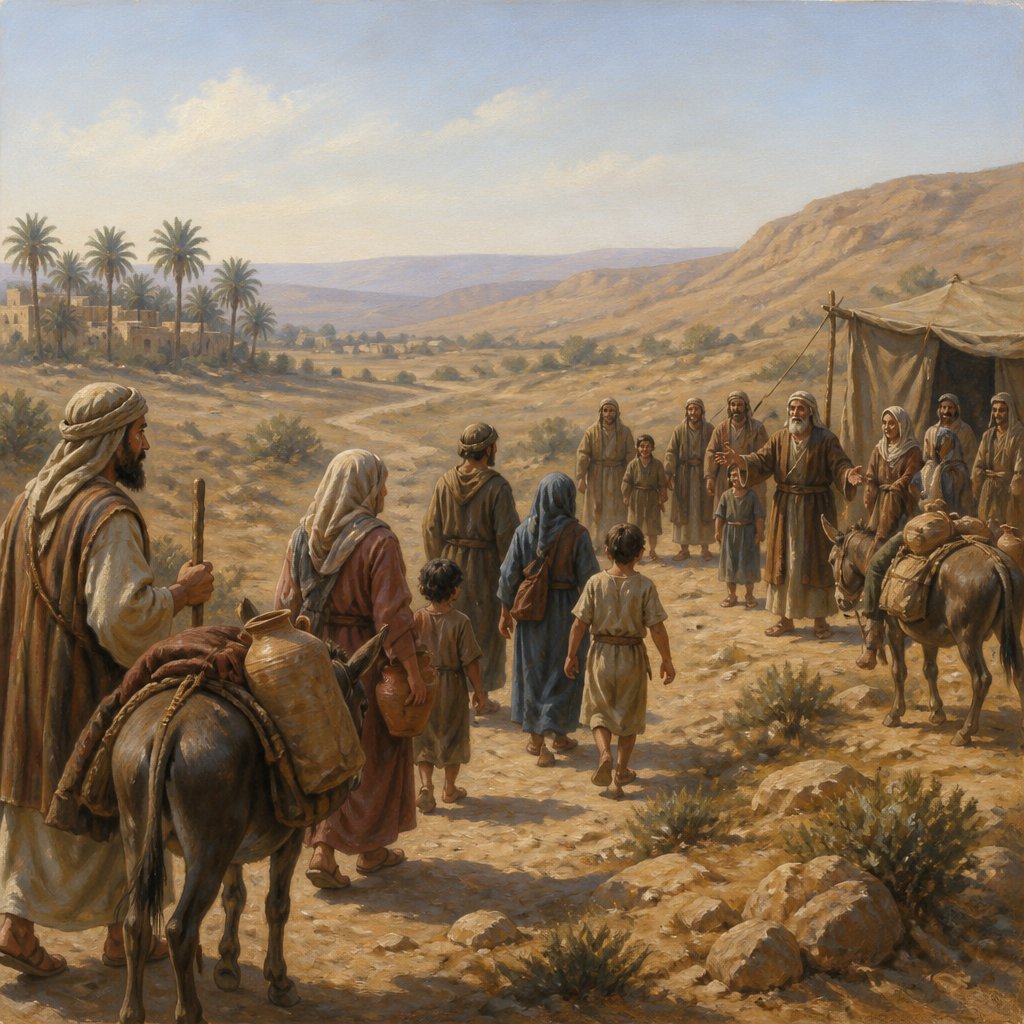
Judges 1:16 from the King James Version of the Bible reads, "And the children of the Kenite, Moses' father in law, went up out of the city of palm trees with the children of Judah into the wilderness of Judah, which lieth in the south of Arad; and they went and dwelt among the people." This verse is part of the larger context of the Book of Judges, which details the period of Israel's history after the death of Joshua and before the establishment of the monarchy.
In order to understand the significance of Judges 1:16, it is important to examine the historical and cultural context in which it was written. The book of Judges portrays a tumultuous time in the history of Israel, characterized by cycles of disobedience, oppression, repentance, and deliverance. During this period, the Israelites were ruled by a series of judges, who served as both military leaders and spiritual authorities.
The verse specifically mentions the children of the Kenite, who are identified as the descendants of Jethro, the father-in-law of Moses. It describes how they went up out of the city of palm trees with the children of Judah into the wilderness of Judah and dwelt among the people. This event signifies a significant interaction between the Kenites and the people of Judah, and the geographical details highlight the specific location in the wilderness of Judah.
One of the key themes in Judges 1:16 is the idea of intermingling and cohabitation between different groups of people. The Kenites, being descendants of Jethro, were not of Israelite descent, yet they had a significant historical connection to the Israelites through their association with Moses. This verse demonstrates an example of peaceful coexistence and cooperation between the Kenites and the people of Judah, as they journeyed together and settled among the people.
The mention of the city of palm trees and the wilderness of Judah also holds symbolic significance. In the Bible, palm trees are often associated with prosperity, righteousness, and the blessing of God. The city of palm trees may represent a place of refuge and abundance, while the wilderness of Judah speaks to the barrenness and challenges of the desert. This juxtaposition may symbolize the journey from a place of comfort and security to a period of testing and uncertainty, reflecting the broader narrative of the Israelites' journey through the wilderness.
Additionally, the mention of the south of Arad further emphasizes the geographical context of this verse. Arad was a city in the southern region of Canaan, and its inclusion in the verse situates the movement of the Kenites and the children of Judah within a specific historical and geographic setting. This attention to detail underscores the historical authenticity of the biblical narrative and provides a rich context for understanding the events described.
Overall, Judges 1:16 offers a glimpse into the complex dynamics of intercultural relations and geographic movements during the time of the judges. It illustrates the connections between different groups of people and the historical roots of the Israelites, while also conveying symbolic significance through its mention of specific locations and journeys. By examining the verse in its broader biblical and historical context, readers can gain insight into the intricate tapestry of events and relationships that shaped the development of ancient Israel.
Get our apps


Artwork for Judges 1:16

Judges 1:16 - "¶ And the children of the Kenite, Moses' father in law, went up out of the city of palm trees with the children of Judah into the wilderness of Judah, which lieth in the south of Arad; and they went and dwelt among the people."
"¶ And the children of the Kenite, Moses' father in law, went up out of the city of palm trees with the children of Judah into the wilderness of Judah, which lieth in the south of Arad; and they went and dwelt among the people." - Judges 1:16

Judges 16:1 - "Then went Samson to Gaza, and saw there an harlot, and went in unto her."

Deuteronomy 1:16 - "And I charged your judges at that time, saying, Hear the causes between your brethren, and judge righteously between every man and his brother, and the stranger that is with him."

1 Chronicles 16:33 – "Then shall the trees of the forest sing for joy before the Lord, for he comes to judge the earth."

judges 16:30
"Then went Samson to Gaza, and saw there an harlot, and went in unto her." - Judges 16:1

Judges 2:16 - "¶ Nevertheless the LORD raised up judges, which delivered them out of the hand of those that spoiled them."

1 Chronicles 16:33 - "Then shall the trees of the wood sing out at the presence of the LORD, because he cometh to judge the earth."

1 Samuel 7:16 - "And he went from year to year in circuit to Beth-el, and Gilgal, and Mizpeh, and judged Israel in all those places."

Sampson's strength judges 16:30
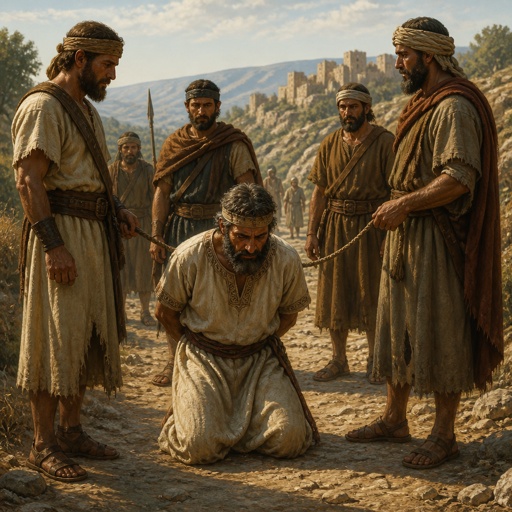
"But Adoni-bezek fled; and they pursued after him, and caught him, and cut off his thumbs and his great toes." - Judges 1:6

Judges 16:16 - "And it came to pass, when she pressed him daily with her words, and urged him, so that his soul was vexed unto death;"

Proverbs 8:16 - "By me princes rule, and nobles, even all the judges of the earth."

1 Chronicles 16:33 – "Then shall the trees of the forest sing for joy before the Lord, for he comes to judge the earth."

Judges 16:22 - "Howbeit the hair of his head began to grow again after he was shaven."

1 Chronicles 16:33 – "Then shall the trees of the forest sing for joy before the Lord, for he comes to judge the earth."

Ezekiel 16:38 - "And I will judge thee, as women that break wedlock and shed blood are judged; and I will give thee blood in fury and jealousy."

Judges 16:4 - "¶ And it came to pass afterward, that he loved a woman in the valley of Sorek, whose name was Delilah."

John 16:11 - "Of judgment, because the prince of this world is judged."

Judges 8:16 - "And he took the elders of the city, and thorns of the wilderness and briers, and with them he taught the men of Succoth."

Judges 6:16 - "And the LORD said unto him, Surely I will be with thee, and thou shalt smite the Midianites as one man."

Judges 18:16 - "And the six hundred men appointed with their weapons of war, which were of the children of Dan, stood by the entering of the gate."
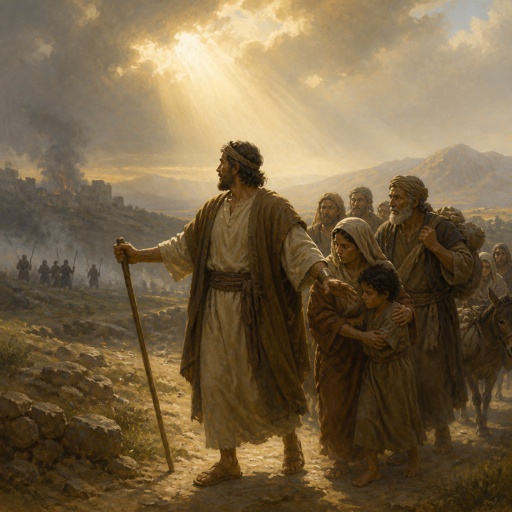
"¶ Nevertheless the LORD raised up judges, which delivered them out of the hand of those that spoiled them." - Judges 2:16

Judges 16:30 – "Samson said, 'Let me die with the Philistines!' Then he pushed with all his might, and down came the temple."

Judges 5:16 - "Why abodest thou among the sheepfolds, to hear the bleatings of the flocks? For the divisions of Reuben there were great searchings of heart."

Judges 10:16 - "And they put away the strange gods from among them, and served the LORD: and his soul was grieved for the misery of Israel."

Judges 11:16 - "But when Israel came up from Egypt, and walked through the wilderness unto the Red sea, and came to Kadesh;"

Judges 15:16 - "And Samson said, With the jawbone of an ass, heaps upon heaps, with the jaw of an ass have I slain a thousand men."

Genesis 49:16 - "¶ Dan shall judge his people, as one of the tribes of Israel."