What does Judges 20:5 mean?
“And the men of Gibeah rose against me, and beset the house round about upon me by night, and thought to have slain me: and my concubine have they forced, that she is dead.” — Judges 20:5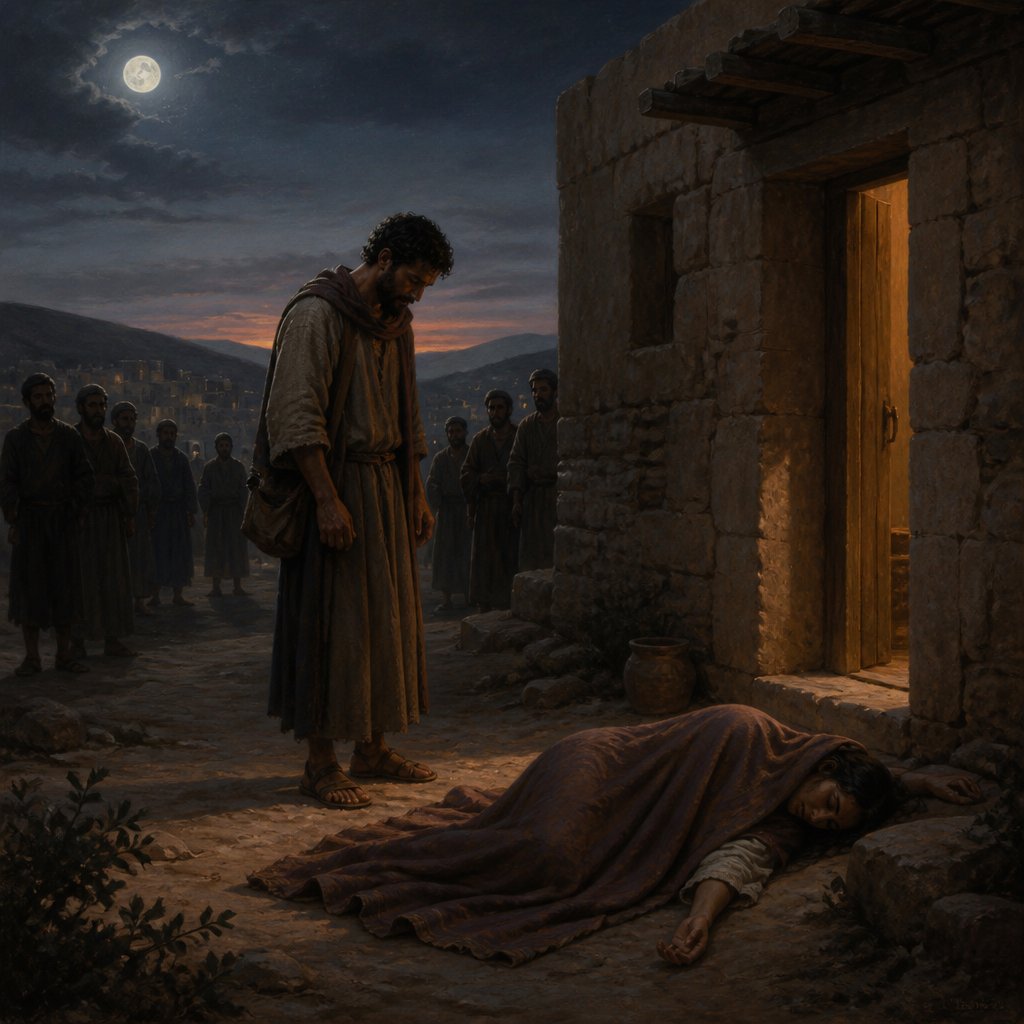
The Bible verse Judges 20:5 from the King James Version (KJV) reads:
"And the men of Gibeah rose against me, and beset the house round about upon me by night, and thought to have slain me: and my concubine have they forced, that she is dead."
This verse is taken from the Book of Judges in the Old Testament, and it is part of the story about the civil war between the Israelite tribes that occurred during the time of the judges. The verse is spoken by a Levite, who recounts a horrific incident that took place in the city of Gibeah.
The verse serves as a grim reminder of the moral degeneration and lawlessness that characterized the period of the judges. The story of the Levite and his concubine highlights the dark consequences of immorality and disobedience to God's laws. The incident at Gibeah showcases the depth of depravity that the Israelites had sunk into, and it sets the stage for the eventual civil war that erupts among the tribes.
The context of this verse is important for understanding its full significance. In the preceding chapters of the Book of Judges, a Levite and his concubine had been traveling in the territory of the tribe of Benjamin. They sought shelter for the night in the city of Gibeah, but were met with hostility and violence. The men of Gibeah surrounded the house and demanded that the Levite be handed over to them so that they could sexually assault him. Instead, the Levite offered them his concubine, and they raped and abused her throughout the night. In the morning, the concubine was found dead at the doorstep, and the Levite took her body and cut it into twelve pieces, which he sent to the twelve tribes of Israel to incite them to action.
The verse Judges 20:5 is the Levite's account of this horrific event. He reveals that he was the target of the mob, and his concubine was brutally violated and killed. The verse reflects the savage and lawless behavior of the men of Gibeah, and it serves as a catalyst for the Israelite tribes to come together and seek justice for the atrocities committed.
One of the themes that can be derived from this verse is the preservation of justice and righteousness. The horrifying incident at Gibeah serves as a call to action for the Israelite tribes to unite and address the moral decay and lawlessness that had taken root in their society. The verse underscores the importance of upholding God's laws and seeking retribution for the innocent victims of violence and immorality.
Another theme that can be discerned from this verse is the consequences of moral decay and spiritual apostasy. The depraved behavior of the men of Gibeah and the subsequent civil war among the tribes illustrate the devastating effects of turning away from God's commandments and embracing wickedness. The verse serves as a cautionary tale of the destructive outcomes of disobedience and moral corruption.
Symbolically, the verse can be seen as a representation of the widespread moral decay and lawlessness that plagued the Israelites during the time of the judges. The brutal violation and death of the concubine symbolize the degradation of societal values and the loss of moral compass. The dismemberment of her body and the Levite's desperate appeal for justice symbolize the fragmentation and disintegration of the nation, as well as the desperate plea for righteousness and restoration.
In conclusion, Judges 20:5 from the King James Version of the Bible holds profound meaning and significance within the context of the Book of Judges. It serves as a sobering reminder of the consequences of moral decay and lawlessness, and it highlights the importance of upholding justice and righteousness. The verse also symbolically represents the devastating effects of spiritual apostasy and the plea for restoration and wholeness.
Get our apps


Artwork for Judges 20:5
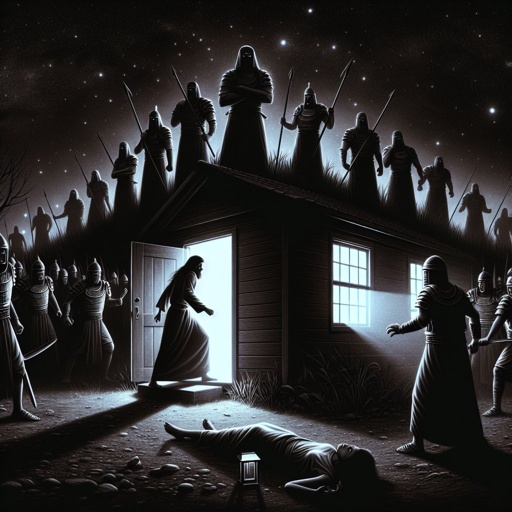
Judges 20:5 - "And the men of Gibeah rose against me, and beset the house round about upon me by night, and thought to have slain me: and my concubine have they forced, that she is dead."
"And the men of Gibeah rose against me, and beset the house round about upon me by night, and thought to have slain me: and my concubine have they forced, that she is dead." - Judges 20:5

Judges 5:20 - "They fought from heaven; the stars in their courses fought against Sisera."

"They fought from heaven; the stars in their courses fought against Sisera." - Judges 5:20

Judges 15:20 - "And he judged Israel in the days of the Philistines twenty years."

Judges 5:7

Judges 20:29 - "And Israel set liers in wait round about Gibeah."

Judges 20:20 - "And the men of Israel went out to battle against Benjamin; and the men of Israel put themselves in array to fight against them at Gibeah."

Judges 20:19 - "And the children of Israel rose up in the morning, and encamped against Gibeah."

Judges 21:20 - "Therefore they commanded the children of Benjamin, saying, Go and lie in wait in the vineyards;"

Judges 10:5 - "And Jair died, and was buried in Camon."

Judges 20:27 - "And the children of Israel enquired of the LORD, (for the ark of the covenant of God was there in those days,"

Judges 20:44 - "And there fell of Benjamin eighteen thousand men; all these were men of valour."

Judges 20:24 - "And the children of Israel came near against the children of Benjamin the second day."

Judges 5:5 - "The mountains melted from before the LORD, even that Sinai from before the LORD God of Israel."

Judges 20:7 - "Behold, ye are all children of Israel; give here your advice and counsel."

Ezekiel 20:4 - "Wilt thou judge them, son of man, wilt thou judge them? cause them to know the abominations of their fathers:"

Judges 14:20 - "But Samson's wife was given to his companion, whom he had used as his friend."

Judges 1:20 - "And they gave Hebron unto Caleb, as Moses said: and he expelled thence the three sons of Anak."

Judges 5:1 - "Then sang Deborah and Barak the son of Abinoam on that day, saying,"

Judges 2:5 - "And they called the name of that place Bochim: and they sacrificed there unto the LORD."

"And he judged Israel in the days of the Philistines twenty years." - Judges 15:20

Judges 18:20 - "And the priest's heart was glad, and he took the ephod, and the teraphim, and the graven image, and went in the midst of the people."

Judges 20:9 - "But now this shall be the thing which we will do to Gibeah; we will go up by lot against it;"

Judges 20:11 - "So all the men of Israel were gathered against the city, knit together as one man."

Judges 5:22 - "Then were the horsehoofs broken by the means of the pransings, the pransings of their mighty ones."

Judges 20:47 - "But six hundred men turned and fled to the wilderness unto the rock Rimmon, and abode in the rock Rimmon four months."

Judges 20:41 - "And when the men of Israel turned again, the men of Benjamin were amazed: for they saw that evil was come upon them."

Judges 20:12 - "¶ And the tribes of Israel sent men through all the tribe of Benjamin, saying, What wickedness is this that is done among you?"

"And Jair died, and was buried in Camon." - Judges 10:5