What does Judges 20:4 mean?
“And the Levite, the husband of the woman that was slain, answered and said, I came into Gibeah that belongeth to Benjamin, I and my concubine, to lodge.” — Judges 20:4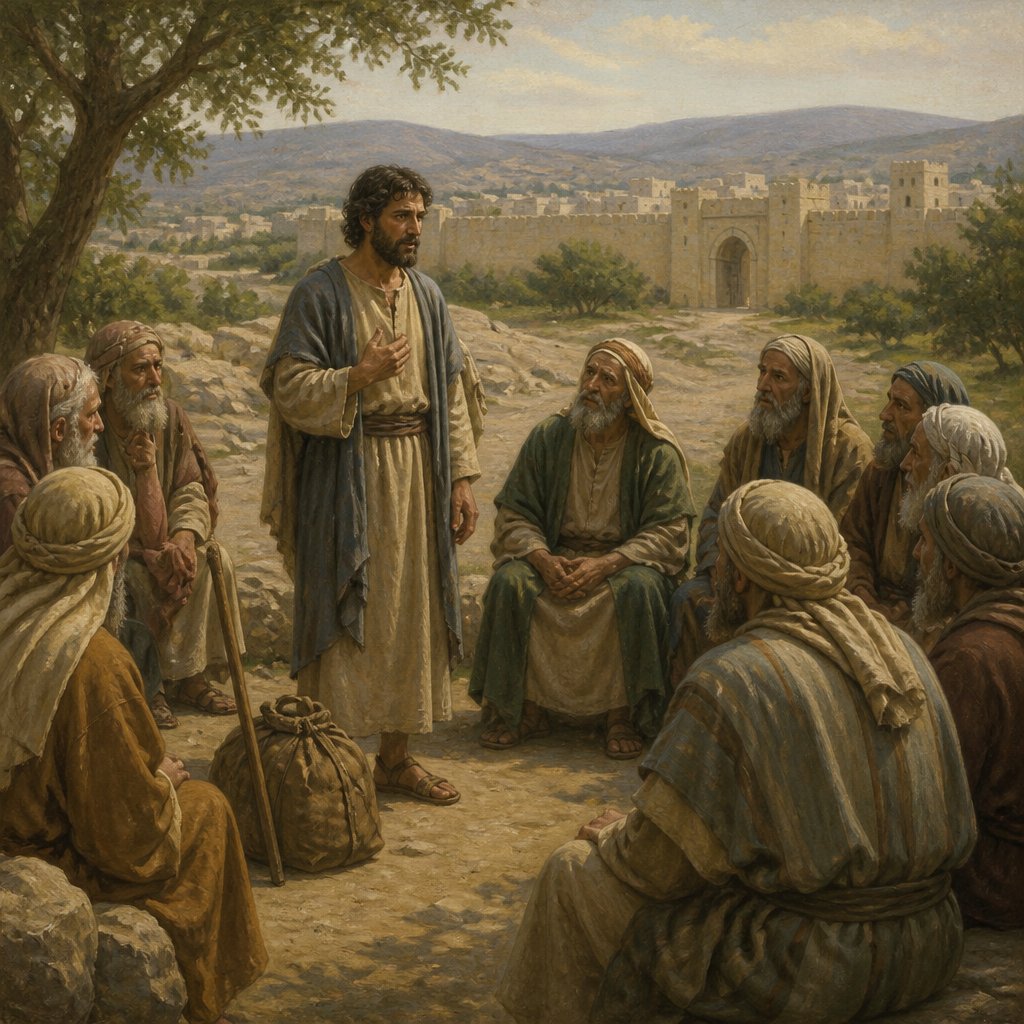
The Bible verse Judges 20:4 in the King James Version (KJV) states, "And the Levite, the husband of the woman that was slain, answered and said, I came into Gibeah that belongeth to Benjamin, I and my concubine, to lodge." This verse is situated within the broader narrative of the book of Judges, which tells the story of the Israelites' struggle for political and religious stability. The book covers the period between the death of Joshua and the rise of the monarchy in Israel, depicting a time of moral and political decline.
In the context of Judges 20, this particular verse captures a crucial moment in the aftermath of a heinous crime. The Levite, who had discovered his concubine brutally murdered, is recounting the events that led to this tragic circumstance. The verse serves as a pivotal point in the narrative, setting the stage for the subsequent events, including the Israelites' call to arms against the tribe of Benjamin and the devastating civil war that ensues.
Thematically, this verse speaks to the moral and ethical implications of the actions of the individuals involved. It shines a light on the violence and injustice perpetrated in the society of that time, highlighting the absence of righteous leadership and the breakdown of social order. The Levite's testimony exposes the complexities of human relationships and the consequences of moral depravity, serving as a reminder of the dire need for divine intervention and guidance among the Israelites.
Symbolically, the Levite's journey to Gibeah represents the precarious state of the Israelite society, characterized by lawlessness and disregard for the sanctity of human life. His admission of seeking refuge in Gibeah, a city within the territory of the tribe of Benjamin, underscores the failure of the tribal community to protect and uphold the principles of justice and hospitality. The violation and subsequent death of his concubine reflect the degradation of interpersonal relationships and the erosion of moral values within the community.
Furthermore, the Levite's decision to voice his account of the events is emblematic of the human quest for truth and accountability. His willingness to speak out against the injustice he has suffered reflects a yearning for vindication and restitution. This act of bearing witness carries profound implications for the Israelites, serving as a catalyst for them to confront the moral decay within their society and take decisive action to rectify it.
As a foundational text within the Judeo-Christian tradition, this verse serves as a poignant reflection on the human condition and the enduring struggle for justice and righteousness. Its portrayal of the moral and social upheaval within ancient Israel resonates with contemporary concerns, highlighting the perennial relevance of ethical values and the imperative of upholding them in the face of adversity.
In conclusion, Judges 20:4 in the King James Version offers a profound meditation on the consequences of moral degeneration, the yearning for justice, and the transformative power of bearing witness to injustice. Through its rich thematic content and powerful symbolism, this verse invites readers to contemplate the enduring significance of ethical values and the imperative of standing against the forces of moral decay. It stands as a timeless testament to the human quest for truth and righteousness, speaking to the hearts of believers and non-believers alike.
Get our apps


Artwork for Judges 20:4

Judges 20:4 - "And the Levite, the husband of the woman that was slain, answered and said, I came into Gibeah that belongeth to Benjamin, I and my concubine, to lodge."
"And the Levite, the husband of the woman that was slain, answered and said, I came into Gibeah that belongeth to Benjamin, I and my concubine, to lodge." - Judges 20:4

Ezekiel 20:4 - "Wilt thou judge them, son of man, wilt thou judge them? cause them to know the abominations of their fathers:"

Judges 4:20 - "Again he said unto her, Stand in the door of the tent, and it shall be, when any man doth come and enquire of thee, and say, Is there any man here? that thou shalt say, No."

Judges 4:4
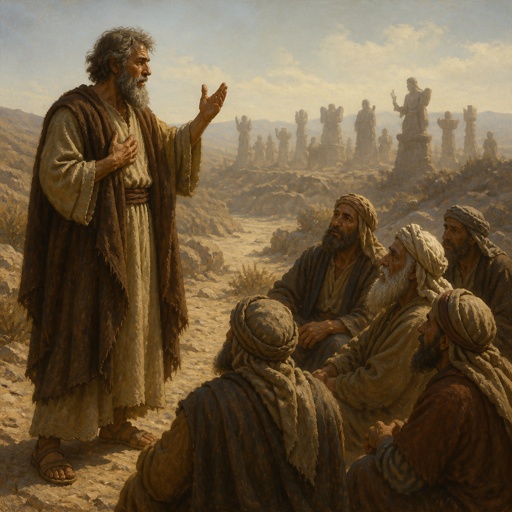
"Wilt thou judge them, son of man, wilt thou judge them? cause them to know the abominations of their fathers:" - Ezekiel 20:4

Revelation 20:4

Judges 15:20 - "And he judged Israel in the days of the Philistines twenty years."

Judges 4:4 - "¶ And Deborah, a prophetess, the wife of Lapidoth, she judged Israel at that time."

Judges 20:29 - "And Israel set liers in wait round about Gibeah."

Judges 20:20 - "And the men of Israel went out to battle against Benjamin; and the men of Israel put themselves in array to fight against them at Gibeah."

Judges 20:19 - "And the children of Israel rose up in the morning, and encamped against Gibeah."

Judges 5:20 - "They fought from heaven; the stars in their courses fought against Sisera."

Judges 21:20 - "Therefore they commanded the children of Benjamin, saying, Go and lie in wait in the vineyards;"

Judges 20:27 - "And the children of Israel enquired of the LORD, (for the ark of the covenant of God was there in those days,"

Judges 20:44 - "And there fell of Benjamin eighteen thousand men; all these were men of valour."

Judges 20:24 - "And the children of Israel came near against the children of Benjamin the second day."

Judges 20:7 - "Behold, ye are all children of Israel; give here your advice and counsel."

Judges 14:20 - "But Samson's wife was given to his companion, whom he had used as his friend."

Judges 1:20 - "And they gave Hebron unto Caleb, as Moses said: and he expelled thence the three sons of Anak."

Judges 4:4 - "¶ And Deborah, a prophetess, the wife of Lapidoth, she judged Israel at that time."

"And he judged Israel in the days of the Philistines twenty years." - Judges 15:20

Judges 18:20 - "And the priest's heart was glad, and he took the ephod, and the teraphim, and the graven image, and went in the midst of the people."

Judges 20:9 - "But now this shall be the thing which we will do to Gibeah; we will go up by lot against it;"

Judges 20:11 - "So all the men of Israel were gathered against the city, knit together as one man."

"¶ And Deborah, a prophetess, the wife of Lapidoth, she judged Israel at that time." - Judges 4:4

Judges 20:47 - "But six hundred men turned and fled to the wilderness unto the rock Rimmon, and abode in the rock Rimmon four months."

Judges 20:41 - "And when the men of Israel turned again, the men of Benjamin were amazed: for they saw that evil was come upon them."

Judges 20:12 - "¶ And the tribes of Israel sent men through all the tribe of Benjamin, saying, What wickedness is this that is done among you?"

James 2:4 - "Are ye not then partial in yourselves, and are become judges of evil thoughts?"