What does Judges 6:3 mean?
“And so it was, when Israel had sown, that the Midianites came up, and the Amalekites, and the children of the east, even they came up against them;” — Judges 6:3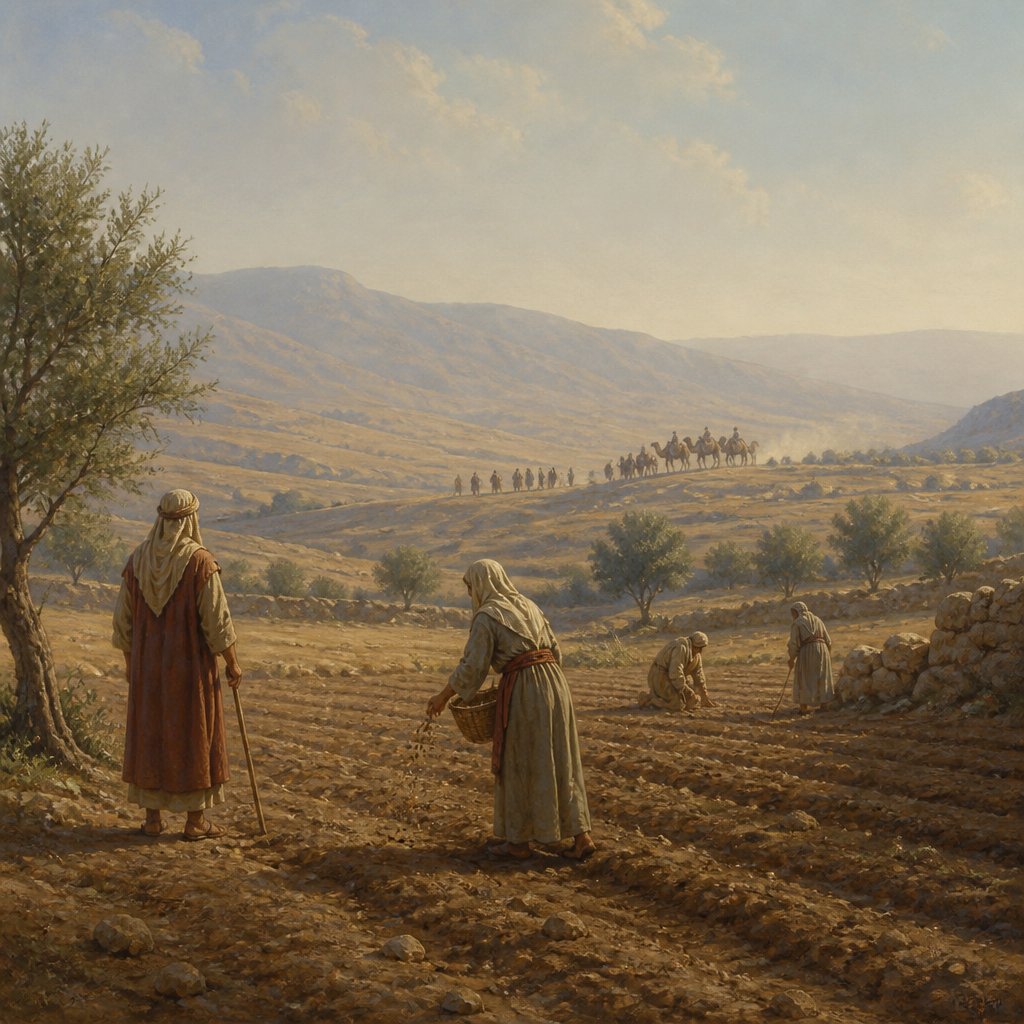
In Judges 6:3 of the King James Version, it states, "And so it was, when Israel had sown, that the Midianites came up, and the Amalekites, and the children of the east, even they came up against them." This verse is part of the larger narrative of the Book of Judges, which tells the story of the Israelites' struggle to maintain their faith and independence in the promised land.
The verse depicts a recurring pattern that is characteristic of the book of Judges - the Israelites' disobedience leading to oppression, followed by cries for help, and then the Lord raising up a judge to deliver them. This cycle is a central theme in the book, highlighting the Israelites' constant wavering between faithfulness to God and falling into idolatry and sin.
One of the key themes in Judges 6:3 is the idea of spiritual warfare and the consequences of disobedience. The passage indicates that the Israelites were being attacked by the Midianites, the Amalekites, and the children of the east. These were neighboring peoples who had been traditionally hostile to the Israelites. The attack was a result of Israel's disobedience and turning away from God, which had left them vulnerable to the enemies that God had previously promised to drive out.
The mentioning of the "Midianites, the Amalekites, and the children of the east" also carries symbolic significance. These tribal enemies represent the spiritual forces of darkness and opposition to God's people. The mention of these specific groups emphasizes the pervasive and encompassing nature of the opposition facing the Israelites, serving as a reminder to readers that their spiritual battles are multifaceted and relentless.
Another theme found in this verse is the concept of divine discipline. The oppression of the Midianites and the Amalekites was a result of the Israelites' rebellion and disobedience. This reflects a consistent pattern throughout the Hebrew Bible in which God uses various means to discipline His people and bring them back to Himself. The narrative in Judges underscores the consequences of forsaking God's commands and highlights the need for repentance and turning back to Him.
The context of Judges 6:3 is crucial to understanding its significance. The passage comes at a time when the Israelites had forsaken God and turned to idolatry, which ultimately led to their oppression by their enemies. The Book of Judges serves as a reminder of the consequences of turning away from God, while also highlighting His faithfulness in delivering His people when they cry out to Him in repentance and humility.
In addition, the verse sets the stage for the introduction of Gideon, who is raised up by God to be a deliverer and judge for the Israelites. This narrative sets the backdrop for the miraculous deliverance that God would bring about through Gideon, emphasizing God's sovereignty and His ability to work through unlikely individuals to accomplish His purposes.
The symbolism in Judges 6:3 is also significant. The enemies' attack on Israel serves as a symbol of the spiritual warfare that believers face in their own lives. The oppression and attacks by the Midianites and Amalekites can be seen as representative of the trials and struggles that Christians may encounter as they seek to live faithfully for God in a fallen world.
In conclusion, Judges 6:3 encapsulates several important themes and symbols that are prominent throughout the Book of Judges and the broader biblical narrative. The verse serves as a sobering reminder of the consequences of disobedience and the significance of spiritual warfare, while also pointing to God's faithfulness in raising up deliverers to rescue His people. The narrative of Gideon's call and God's deliverance further emphasizes God's sovereignty and His ability to work through flawed individuals to accomplish His purposes. This passage serves as a poignant and timeless reminder of the human struggle between faith and disobedience and the ultimately redemptive power of God's deliverance.
Get our apps


Artwork for Judges 6:3

Judges 6:3 - "And so it was, when Israel had sown, that the Midianites came up, and the Amalekites, and the children of the east, even they came up against them;"
"And so it was, when Israel had sown, that the Midianites came up, and the Amalekites, and the children of the east, even they came up against them;" - Judges 6:3

Judges 3:6 - "And they took their daughters to be their wives, and gave their daughters to their sons, and served their gods."

Romans 3:6 - "God forbid: for then how shall God judge the world?"
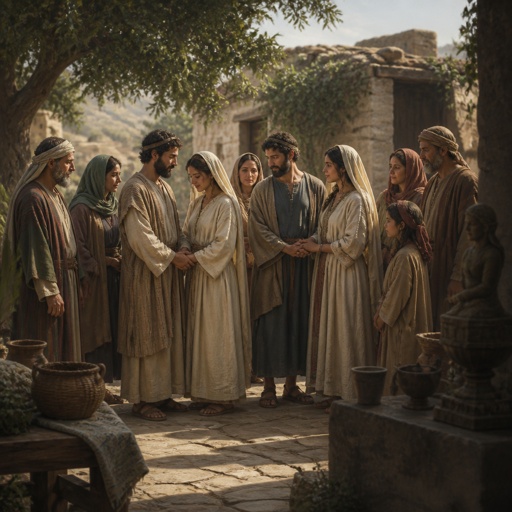
"And they took their daughters to be their wives, and gave their daughters to their sons, and served their gods." - Judges 3:6

1 Corinthians 6:3 - "Know ye not that we shall judge angels? how much more things that pertain to this life?"

"God forbid: for then how shall God judge the world?" - Romans 3:6

Judges 3:31

Judges 6:6 - "And Israel was greatly impoverished because of the Midianites; and the children of Israel cried unto the LORD."

1 Corinthians 6:2 - "Do ye not know that the saints shall judge the world? and if the world shall be judged by you, are ye unworthy to judge the smallest matters?"

Luke 6:37 - "Judge not, and ye shall not be judged: condemn not, and ye shall not be condemned: forgive, and ye shall be forgiven:"

Zephaniah 3:3 - "Her princes within her are roaring lions; her judges are evening wolves; they gnaw not the bones till the morrow."

Judges 10:3 - "¶ And after him arose Jair, a Gileadite, and judged Israel twenty and two years."
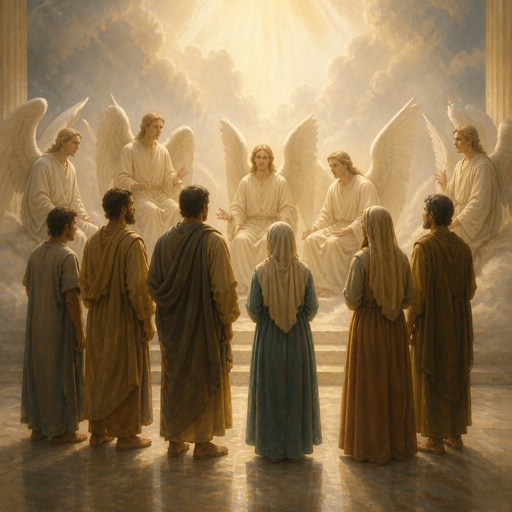
"Know ye not that we shall judge angels? how much more things that pertain to this life?" - 1 Corinthians 6:3

Judges 6:36-40 – Gideon’s fleece test for dew.

Judges 6:7 - "¶ And it came to pass, when the children of Israel cried unto the LORD because of the Midianites,"

Psalms 141:6 - "When their judges are overthrown in stony places, they shall hear my words; for they are sweet."

2 Chronicles 19:6 - "And said to the judges, Take heed what ye do: for ye judge not for man, but for the LORD, who is with you in the judgment."

Judges 3:11 - "And the land had rest forty years. And Othniel the son of Kenaz died."

Judges 3:14 - "So the children of Israel served Eglon the king of Moab eighteen years."

Judges 6:23 - "And the LORD said unto him, Peace be unto thee; fear not: thou shalt not die."

Judges 6:40 - "And God did so that night: for it was dry upon the fleece only, and there was dew on all the ground."

Judges 11:6 - "And they said unto Jephthah, Come, and be our captain, that we may fight with the children of Ammon."

Judges 13:3 make the Angel of the Lord male

Judges 3:3 - "Namely, five lords of the Philistines, and all the Canaanites, and the Sidonians, and the Hivites that dwelt in mount Lebanon, from mount Baal-hermon unto the entering in of Hamath."

Judges 3:5 - "¶ And the children of Israel dwelt among the Canaanites, Hittites, and Amorites, and Perizzites, and Hivites, and Jebusites:"

Judges 3:26 - "And Ehud escaped while they tarried, and passed beyond the quarries, and escaped unto Seirath."

Judges 17:6 - "In those days there was no king in Israel, but every man did that which was right in his own eyes."

Judges 6:34 - "But the Spirit of the LORD came upon Gideon, and he blew a trumpet; and Abiezer was gathered after him."

Judges 3:17 - "And he brought the present unto Eglon king of Moab: and Eglon was a very fat man."