What does Lamentations 5:10 mean?
“Our skin was black like an oven because of the terrible famine.” — Lamentations 5:10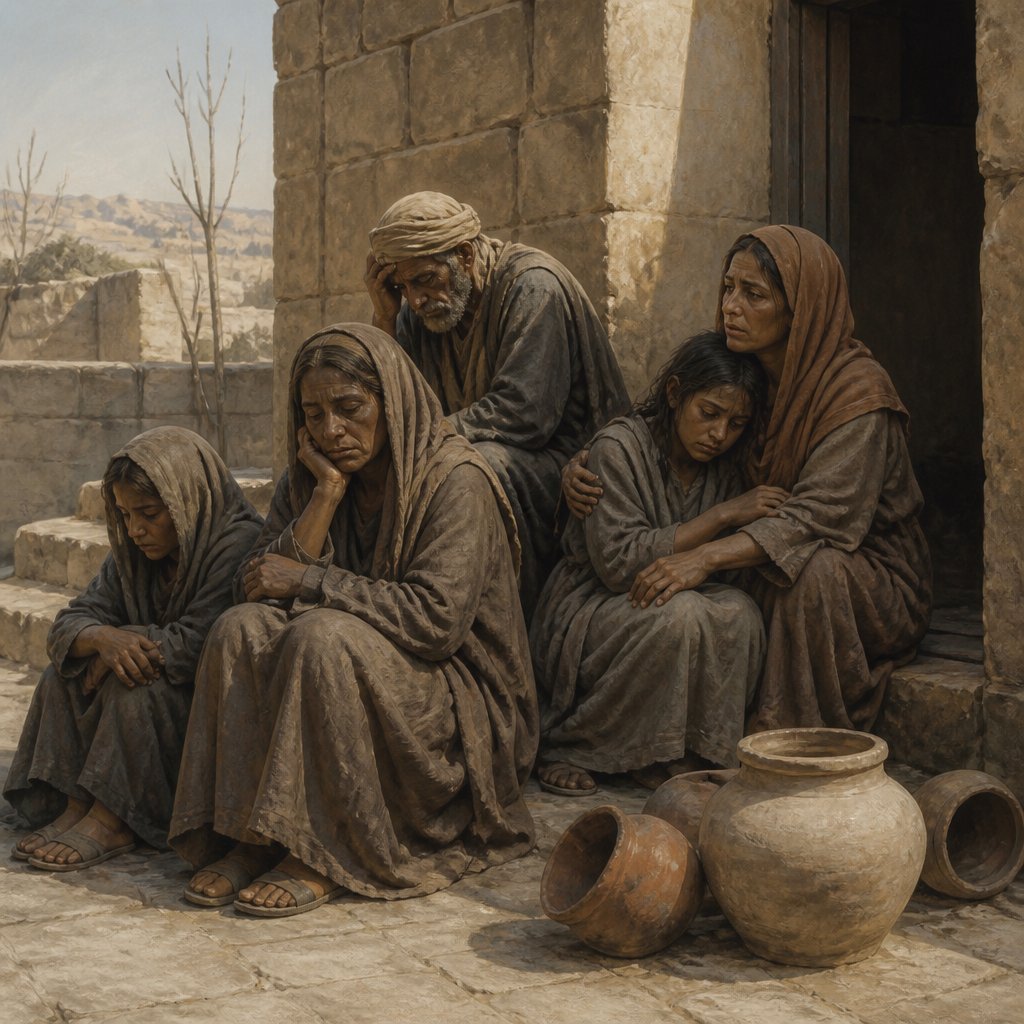
Lamentations 5:10 (KJV) reads, "Our skin was black like an oven because of the terrible famine."
The book of Lamentations is a collection of five poetic laments or dirges over the destruction of Jerusalem. It was traditionally ascribed to the prophet Jeremiah, who was said to have composed it after the destruction of Jerusalem by the Babylonians in 586 BC. The book is a powerful representation of grief and despair, reflecting the intense suffering of the people of Judah in the aftermath of the city's fall.
The verse in question, Lamentations 5:10, paints a bleak and vivid picture of the physical toll of the famine that accompanied the siege of Jerusalem. The imagery of "our skin was black like an oven" is a graphic depiction of the effects of starvation and malnutrition. The phrase "black like an oven" suggests a deep and intense darkness, emphasizing the dire and desperate nature of the situation. It is a chilling portrayal of the degradation and suffering experienced by the people as a result of the famine, conveying a sense of desolation and hopelessness.
The theme of suffering and affliction is central to the book of Lamentations, as it grapples with the devastation caused by the Babylonian conquest and the subsequent exile of the Jewish people. The verse serves as a poignant reminder of the consequences of sin and disobedience, as the people of Judah were experiencing the full weight of God's judgment. The famine, symbolizing the devastating effects of the siege, was a direct result of the people's rebellion and unfaithfulness to God.
In a broader context, the verse also speaks to the broader themes of human suffering and the consequences of human actions. It serves as a warning about the destructive nature of sin and the repercussions that follow. The imagery of the famine and its impact on the people's physical appearance underscores the profound and far-reaching consequences of their disobedience.
Symbolically, the verse can also be interpreted as a representation of the spiritual and moral decay that accompanies sin. The physical deterioration of the people's skin reflects the deeper spiritual decay that had taken hold within the nation. The famine and its effects were not just physical, but also spiritual, highlighting the moral decay and spiritual destitution of the people.
Furthermore, the verse can be seen as a reflection of the broader human experience of suffering. It serves as a poignant reminder of the universal nature of suffering and the inherent fragility of human existence. The vivid imagery of the verse evokes a sense of empathy and compassion for those who are enduring hardship and adversity.
In conclusion, Lamentations 5:10 is a powerful and evocative depiction of the suffering and despair experienced by the people of Judah in the aftermath of the Babylonian conquest. It serves as a poignant reminder of the consequences of sin and disobedience, as well as a reflection on the universal nature of human suffering. The verse underscores the profound implications of the people's actions, while also evoking a sense of empathy and compassion for those who experience hardship and adversity. Ultimately, it is a poignant and haunting reflection on the fragility of human existence and the enduring consequences of sin.
Get our apps


Artwork for Lamentations 5:10

Lamentations 5:10 - "Our skin was black like an oven because of the terrible famine."
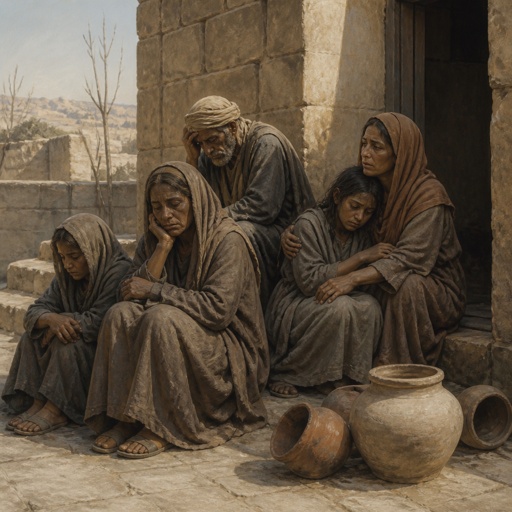
"Our skin was black like an oven because of the terrible famine." - Lamentations 5:10

Lamentations 5:5 - "Our necks are under persecution: we labour, and have no rest."

Lamentations 5:11 - "They ravished the women in Zion, and the maids in the cities of Judah."

Lamentations 5:3 - "We are orphans and fatherless, our mothers are as widows."

Lamentations 5:2 - "Our inheritance is turned to strangers, our houses to aliens."

Lamentations 5:17 - "For this our heart is faint; for these things our eyes are dim."

Lamentations 5:7 - "Our fathers have sinned, and are not; and we have borne their iniquities."

Lamentations 5:15 - "The joy of our heart is ceased; our dance is turned into mourning."

Lamentations 5:18 - "Because of the mountain of Zion, which is desolate, the foxes walk upon it."

Lamentations 5:6 - "We have given the hand to the Egyptians, and to the Assyrians, to be satisfied with bread."

Lamentations 5:13 - "They took the young men to grind, and the children fell under the wood."

Lamentations 5:12 - "Princes are hanged up by their hand: the faces of elders were not honoured."

Lamentations 3:10 - "He was unto me as a bear lying in wait, and as a lion in secret places."

Lamentations 3:5 - "He hath builded against me, and compassed me with gall and travail."

Lamentations 5:14 - "The elders have ceased from the gate, the young men from their musick."

Lamentations 5:9 - "We gat our bread with the peril of our lives because of the sword of the wilderness."

Lamentations 5:19 – "You, Lord, reign forever; your throne endures from generation to generation."

Lamentations 5:19 - "Thou, O LORD, remainest for ever; thy throne from generation to generation."
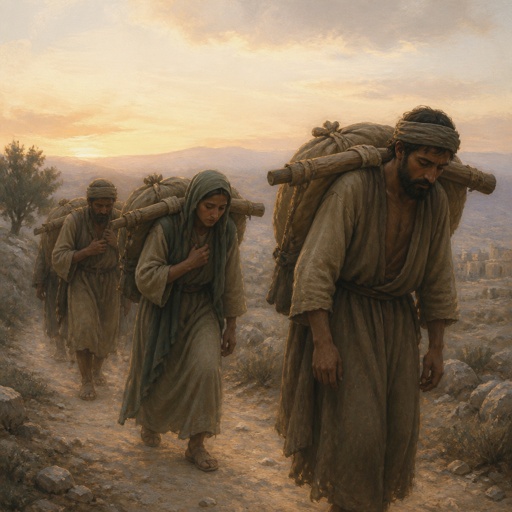
"Our necks are under persecution: we labour, and have no rest." - Lamentations 5:5

Lamentations 5:8 - "Servants have ruled over us: there is none that doth deliver us out of their hand."

Lamentations 5:1 - "Remember, O LORD, what is come upon us: consider, and behold our reproach."

Lamentations 5:22 - "But thou hast utterly rejected us; thou art very wroth against us."

Lamentations 4:5 - "They that did feed delicately are desolate in the streets: they that were brought up in scarlet embrace dunghills."

Lamentations 5:4 - "We have drunken our water for money; our wood is sold unto us."

Lamentations 5:20 - "Wherefore dost thou forget us for ever, and forsake us so long time?"

Lamentations 5:16 - "The crown is fallen from our head: woe unto us, that we have sinned!"

Ezekiel 2:10 - "And he spread it before me; and it was written within and without: and there was written therein lamentations, and mourning, and woe."

Lamentations 4:10 - "The hands of the pitiful women have sodden their own children: they were their meat in the destruction of the daughter of my people."
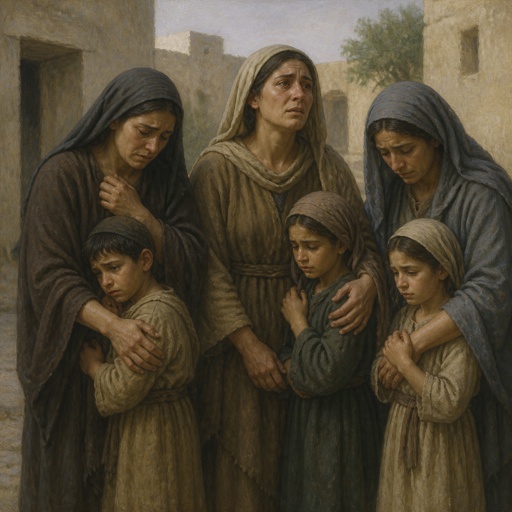
"We are orphans and fatherless, our mothers are as widows." - Lamentations 5:3