What does Lamentations 5:3 mean?
“We are orphans and fatherless, our mothers are as widows.” — Lamentations 5:3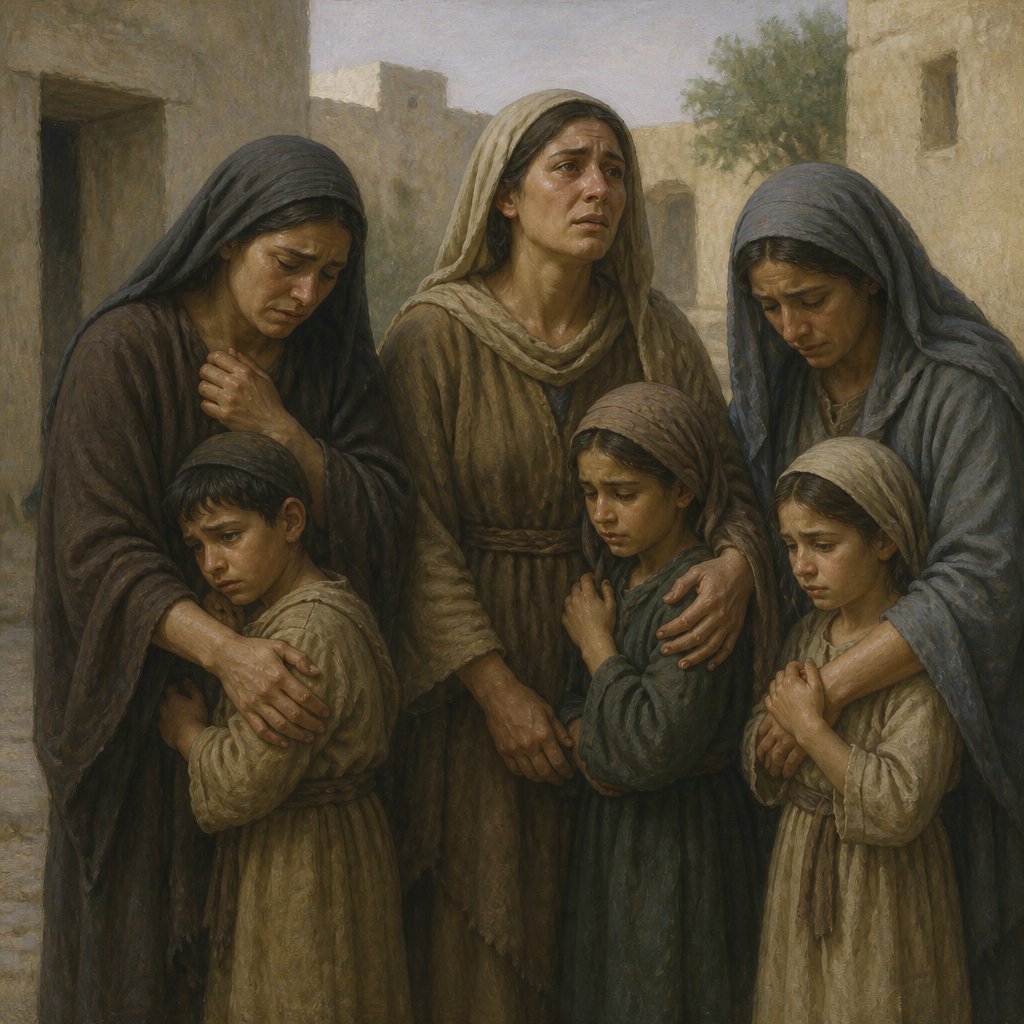
Lamentations 5:3 in the King James Version of the Bible reads, "We are orphans and fatherless, our mothers are as widows." This verse is found in the book of Lamentations, which is traditionally attributed to the prophet Jeremiah. The book is a collection of laments over the destruction of Jerusalem and the exile of its people. Chapter 5 is a prayer for mercy and restoration, expressing the deep sorrow and despair of the people of Judah in the aftermath of the Babylonian conquest.
In Lamentations 5:3, the people of Judah describe themselves as orphans and fatherless, and their mothers as widows. This imagery serves to emphasize the devastating impact of the Babylonian invasion on the people of Judah. The loss of their fathers and husbands has left them vulnerable and without the protection and provision that these figures traditionally provided. The language of orphanhood and widowhood conveys a profound sense of abandonment, loneliness, and helplessness.
The theme of orphanhood and widowhood in this verse reflects the broader theme of loss and desolation that pervades the book of Lamentations. The people of Judah have been stripped of their homeland, their security, and their sense of identity. They are left to lament their suffering and plead for God's mercy in the face of overwhelming adversity. The imagery of orphans and widows also carries a sense of social and economic disruption, as these vulnerable groups were often marginalized and disadvantaged in ancient societies.
Furthermore, the language of orphanhood and widowhood in Lamentations 5:3 serves as a powerful symbol of the broken covenant between God and his people. In the biblical tradition, the relationship between God and Israel is often depicted in terms of a covenant, a sacred agreement that entails mutual loyalty and faithfulness. The image of orphans and widows highlights the people's sense of abandonment and their perception that God has failed to uphold his end of the covenant. Their suffering is a stark reminder of the consequences of disobedience and the spiritual and moral decay that has led to their current plight.
The context of Lamentations 5:3 within the larger narrative of the book underscores the depth of the people's sorrow and the urgency of their plea for restoration. The verse is part of a collective supplication for God's intervention and compassion in the midst of unimaginable suffering. It reflects the profound grief and bewilderment of a community that has been devastated by the consequences of their own sin and the ruthless actions of their enemies.
The language of orphanhood and widowhood in Lamentations 5:3 is a poignant reminder of the human cost of war, violence, and social injustice. It resonates with the experiences of countless individuals throughout history who have been left without protection and support in the wake of conflict and upheaval. The verse challenges us to confront the consequences of oppression and to show empathy and solidarity with those who are most vulnerable in society.
In conclusion, Lamentations 5:3 is a powerful and evocative verse that captures the profound suffering and desperation of the people of Judah in the aftermath of the Babylonian conquest. The imagery of orphanhood and widowhood serves as a poignant symbol of loss, abandonment, and the broken covenant between God and his people. It challenges us to reflect on the human cost of violence and injustice and to respond with compassion and solidarity.
Get our apps


Artwork for Lamentations 5:3

Lamentations 5:3 - "We are orphans and fatherless, our mothers are as widows."
"We are orphans and fatherless, our mothers are as widows." - Lamentations 5:3

Lamentations 3:5 - "He hath builded against me, and compassed me with gall and travail."
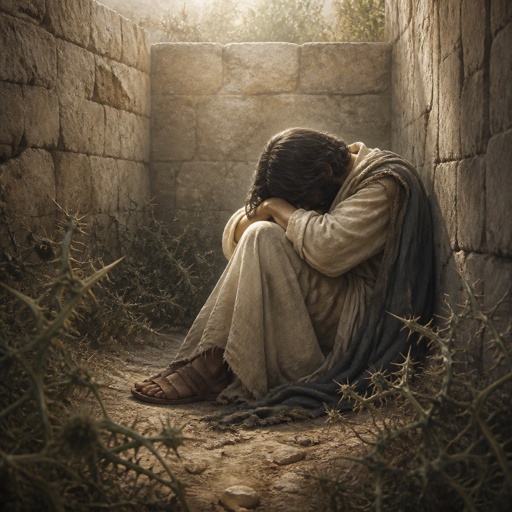
"He hath builded against me, and compassed me with gall and travail." - Lamentations 3:5

Lamentations 5:5 - "Our necks are under persecution: we labour, and have no rest."

Lamentations 3:13

Lamentations 3:1-18

Lamentations 3:31 - "For the Lord will not cast off for ever:"

Lamentations 5:11 - "They ravished the women in Zion, and the maids in the cities of Judah."

Lamentations 5:2 - "Our inheritance is turned to strangers, our houses to aliens."

Lamentations 5:17 - "For this our heart is faint; for these things our eyes are dim."

Lamentations 3:23 - "They are new every morning: great is thy faithfulness."

Lamentations 3:36 - "To subvert a man in his cause, the Lord approveth not."

Lamentations 5:7 - "Our fathers have sinned, and are not; and we have borne their iniquities."

Lamentations 3:3 - "Surely against me is he turned; he turneth his hand against me all the day."

Lamentations 5:15 - "The joy of our heart is ceased; our dance is turned into mourning."

Lamentations 5:18 - "Because of the mountain of Zion, which is desolate, the foxes walk upon it."

Lamentations 5:6 - "We have given the hand to the Egyptians, and to the Assyrians, to be satisfied with bread."

Lamentations 5:10 - "Our skin was black like an oven because of the terrible famine."

Lamentations 5:13 - "They took the young men to grind, and the children fell under the wood."

Lamentations 5:12 - "Princes are hanged up by their hand: the faces of elders were not honoured."

Lamentations 3:27 - "It is good for a man that he bear the yoke in his youth."

Lamentations 3:38 - "Out of the mouth of the most High proceedeth not evil and good?"

Lamentations 3:47 - "Fear and a snare is come upon us, desolation and destruction."

Lamentations 3:19 - "Remembering mine affliction and my misery, the wormwood and the gall."

Lamentations 3:34 - "To crush under his feet all the prisoners of the earth,"

Lamentations 3:50 - "Till the LORD look down, and behold from heaven."

Lamentations 5:14 - "The elders have ceased from the gate, the young men from their musick."

Lamentations 3:37 - "¶ Who is he that saith, and it cometh to pass, when the Lord commandeth it not?"

Lamentations 3:29 - "He putteth his mouth in the dust; if so be there may be hope."