What does Leviticus 1:6 mean?
“And he shall flay the burnt offering, and cut it into his pieces.” — Leviticus 1:6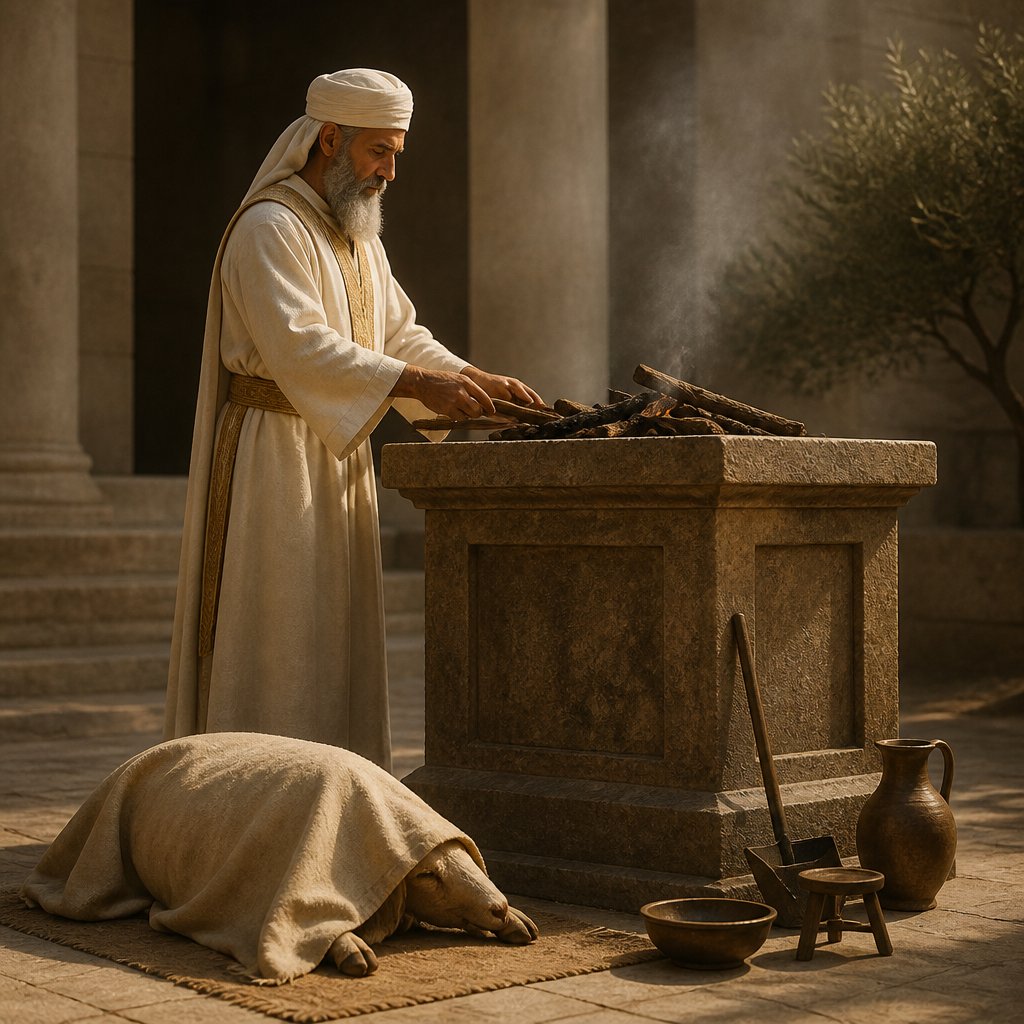
Leviticus 1:6 (KJV) says, "And he shall flay the burnt offering, and cut it into his pieces." This verse is part of the instructions given to the Israelites regarding the preparation of burnt offerings to be presented to the Lord. In order to fully understand the meaning and significance of this verse, it is important to examine it in the context of the surrounding passages as well as the broader themes of the book of Leviticus.
The book of Leviticus is the third book of the Old Testament and mainly deals with the laws and regulations that governed the Israelites' religious and moral conduct. In particular, it focuses on the sacrificial system that was central to the worship of God in the tabernacle. The burnt offering was one of the most common and important sacrifices, representing a complete surrender and dedication to God.
In Leviticus 1:6, the act of flaying and cutting the burnt offering into pieces is described as part of the preparation process. This physical act of preparing the sacrifice carried deep spiritual significance for the Israelites. It symbolized the need for repentance, purification, and the laying down of one's life before God. The flaying and cutting of the animal into pieces also demonstrated the seriousness of the Israelites' commitment to offer the best of what they had to the Lord.
The imagery of flaying and cutting also points to the pain and suffering involved in the act of sacrifice. In ancient times, these were not easy tasks, and they required strength, skill, and dedication. This physical process mirrored the spiritual reality of sacrifice, as it required the Israelites to give up something of value to them and present it to the Lord as an act of worship.
This verse also holds significant symbolism in the context of Christ's sacrificial death on the cross. The burnt offerings and other sacrifices in the Old Testament were a foreshadowing of the ultimate sacrifice that Jesus would make for the redemption of humanity. In the New Testament, Jesus is often referred to as the perfect and spotless lamb, whose sacrifice once and for all atoned for the sins of the world. The imagery of flaying and cutting the burnt offering into pieces can be seen as a precursor to the brutal crucifixion of Jesus, where he was "flayed" and "cut" in a metaphorical sense for the sake of our redemption.
The theme of total surrender and dedication to God is central to Leviticus 1:6. In presenting the burnt offering, the Israelites were called to give their best, and to offer it completely to the Lord. This serves as a reminder to all believers of the importance of giving our all to God in worship and in our everyday lives. We are called to give ourselves as living sacrifices, holy and pleasing to God, as Paul writes in Romans 12:1.
Furthermore, the act of cutting the burnt offering into pieces also points to the need for spiritual discernment and understanding. Each part of the offering had a specific purpose and significance, symbolizing different aspects of the Israelites' relationship with God. This speaks to the importance of understanding the depth and meaning behind our worship and sacrificial acts, rather than going through the motions without truly engaging our hearts and minds.
In conclusion, Leviticus 1:6 holds deep meaning and significance within the broader context of the sacrificial system and the spiritual life of the Israelites. Its imagery and symbolism carry through to the New Testament, emphasizing the themes of surrender, dedication, sacrifice, and the need for spiritual discernment. As believers, we can learn from this verse by examining our own hearts and attitudes towards worship and sacrifice, striving to offer ourselves fully and wholeheartedly to God as an act of love and devotion.
Get our apps


Artwork for Leviticus 1:6

Leviticus 1:6 - "And he shall flay the burnt offering, and cut it into his pieces."
"And he shall flay the burnt offering, and cut it into his pieces." - Leviticus 1:6

Leviticus 6:1 - "And the LORD spake unto Moses, saying,"
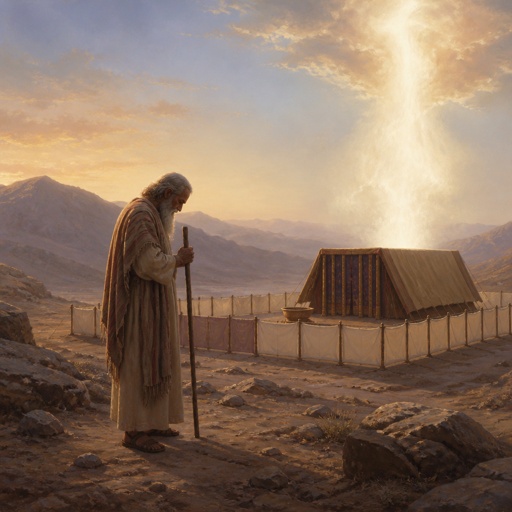
"And the LORD spake unto Moses, saying," - Leviticus 6:1

Leviticus 26: 4-6
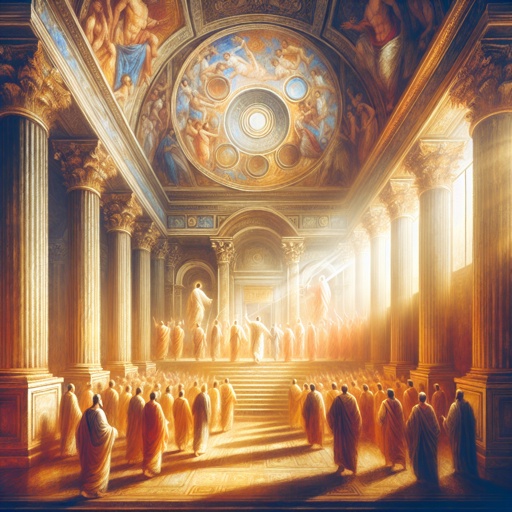
Leviticus 26: 4-6

Leviticus 26: 4-6

Leviticus 6:24 - "¶ And the LORD spake unto Moses, saying,"

Leviticus 6:8 - "¶ And the LORD spake unto Moses, saying,"

Leviticus 6:19 - "¶ And the LORD spake unto Moses, saying,"

Leviticus 8:6 - "And Moses brought Aaron and his sons, and washed them with water."

Leviticus 2:6 - "Thou shalt part it in pieces, and pour oil thereon: it is a meat offering."

Leviticus 6:23 - "For every meat offering for the priest shall be wholly burnt: it shall not be eaten."

Leviticus 6:29 - "All the males among the priests shall eat thereof: it is most holy."

Leviticus 6:13 - "The fire shall ever be burning upon the altar; it shall never go out."

Leviticus 6:6 - "And he shall bring his trespass offering unto the LORD, a ram without blemish out of the flock, with thy estimation, for a trespass offering, unto the priest:"

Leviticus 11:6 - "And the hare, because he cheweth the cud, but divideth not the hoof; he is unclean unto you."

Leviticus 6:14 - "¶ And this is the law of the meat offering: the sons of Aaron shall offer it before the LORD, before the altar."

"¶ And the LORD spake unto Moses, saying," - Leviticus 6:24
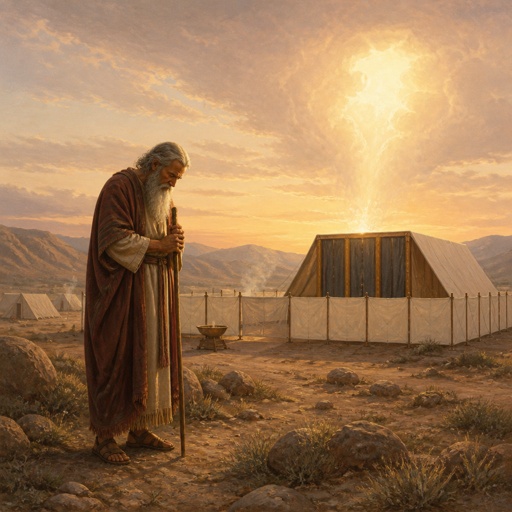
"¶ And the LORD spake unto Moses, saying," - Leviticus 6:8

"¶ And the LORD spake unto Moses, saying," - Leviticus 6:19

Leviticus 6:26 - "The priest that offereth it for sin shall eat it: in the holy place shall it be eaten, in the court of the tabernacle of the congregation."

Leviticus 18:6 - "¶ None of you shall approach to any that is near of kin to him, to uncover their nakedness: I am the LORD."

Leviticus 23:21

Leviticus 23:21

Leviticus 14:51

Leviticus 23:20

Leviticus 23:21

Leviticus 23:21

Leviticus 24:6 - "And thou shalt set them in two rows, six on a row, upon the pure table before the LORD."