What does Leviticus 1:7 mean?
“And the sons of Aaron the priest shall put fire upon the altar, and lay the wood in order upon the fire:” — Leviticus 1:7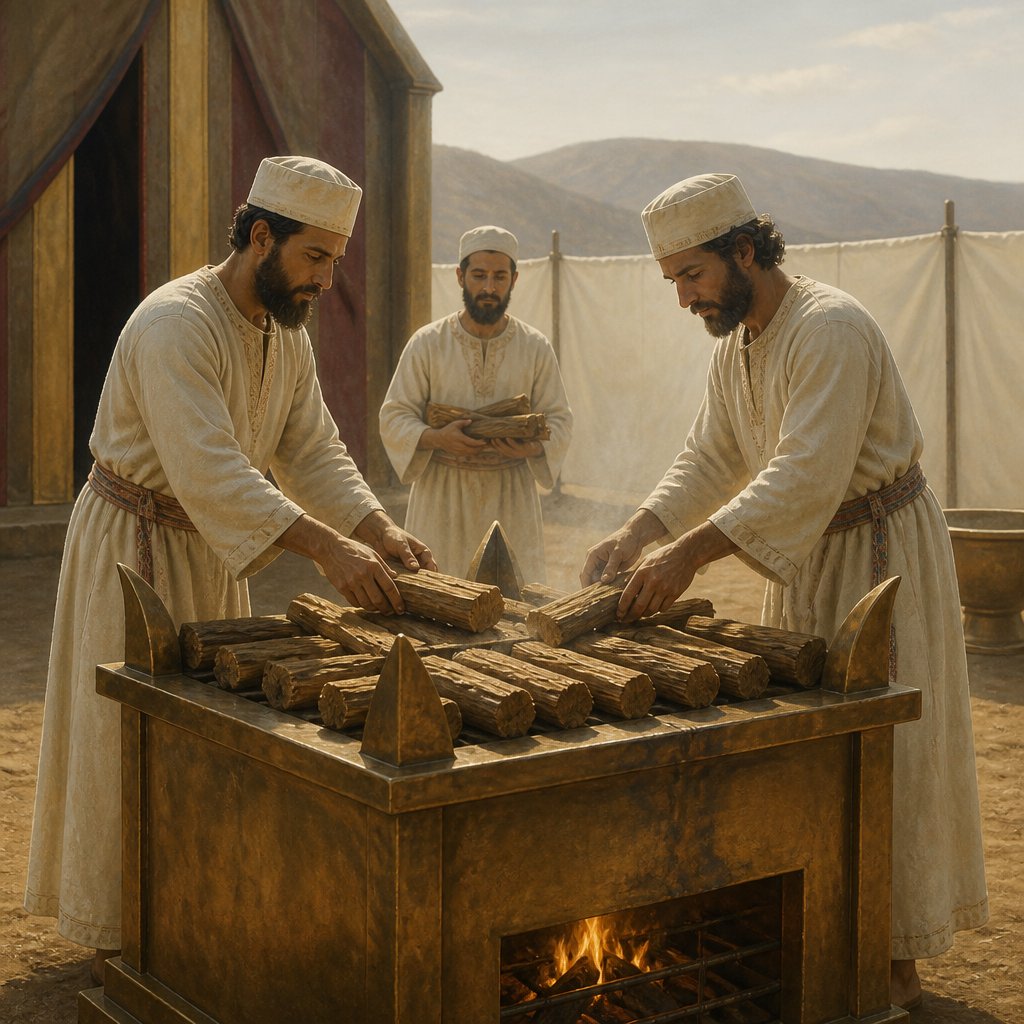
Leviticus 1:7 (KJV) states: "And the sons of Aaron the priest shall put fire upon the altar, and lay the wood in order upon the fire."
The book of Leviticus is the third book of the Bible and is a part of the Pentateuch, the first five books of the Old Testament, which are also known as the Torah in Jewish tradition. The book of Leviticus contains a series of laws and regulations given by God to the Israelites, and it focuses mainly on religious rituals and ceremonies. This verse specifically addresses the instructions for the burnt offering, a significant ritual in the religious practices of the Israelites during that time.
The burnt offering was a central act of worship in the Israelite community. It signified the total surrender and consecration of the person making the offering to God. The burnt offering was seen as an act of atonement and thanksgiving, offering a sweet aroma to the Lord. This verse in Leviticus 1:7 describes the procedure for preparing the burnt offering – the sons of Aaron, who were the priests, were instructed to put fire upon the altar and lay the wood in order upon the fire. The meticulousness and precision of this process emphasized the reverence and respect the Israelites were to show in their worship of God.
The symbolism and significance of this verse can be interpreted on several levels. On a literal level, the act of placing fire on the altar and arranging the wood in order represents the practical aspect of preparing the burnt offering. However, on a deeper level, it symbolizes the holiness and purity of the offering and the complete dedication of the worshipper to God. The fire represents the presence of God and the wood represents the sacrifice that is to be consumed by the fire, signifying the surrender of the worshipper to God's will.
Furthermore, the sons of Aaron, as the priests, hold a significant role in carrying out these rituals. Their role as mediators between the people and God is emphasized in this verse, highlighting the importance of the priesthood in facilitating the connection between the Israelites and God. This also signifies the importance of divine order and authority within the religious community, with specific roles and responsibilities delegated to maintain the holiness and sanctity of the offerings.
The context of this verse is important in understanding its significance. The book of Leviticus was written during a time when the Israelites were transitioning from a nomadic existence to settling in the Promised Land. This transition brought changes in their religious practices, and the rituals described in Leviticus served as a way for the Israelites to maintain a connection with God amidst these changes. The instructions for the burnt offering and other rituals in Leviticus provided a structure for the Israelites to follow in their worship and served as a means for them to express their devotion to God.
The themes of holiness, obedience, and reverence are prominent in this verse. The meticulous instructions for the burnt offering emphasize the importance of following God's commands with precision and care. The act of preparing the burnt offering was a way for the Israelites to demonstrate their obedience to God and their desire for holiness. It also served as a reminder of the Israelites' dependence on God’s grace and forgiveness for their sins.
In conclusion, Leviticus 1:7 from the King James Version of the Bible holds rich symbolism and significance within the context of the book of Leviticus and the broader religious practices of the Israelites. This verse conveys the importance of obedience, reverence, and devotion to God in the act of worship, and it highlights the role of the priesthood in facilitating the connection between the people and God. The burnt offerings described in this verse served as a means for the Israelites to express their gratitude and surrender to God, as well as seek atonement for their sins. This verse continues to serve as a reminder for Christians today to approach God with reverence and devotion, and to seek holiness in their worship and daily lives.
Get our apps


Artwork for Leviticus 1:7

Leviticus 1:7 - "And the sons of Aaron the priest shall put fire upon the altar, and lay the wood in order upon the fire:"
"And the sons of Aaron the priest shall put fire upon the altar, and lay the wood in order upon the fire:" - Leviticus 1:7

Leviticus 7:1 - "Likewise this is the law of the trespass offering: it is most holy."

Cycle of sabbath rest year. Leviticus 25:1-7
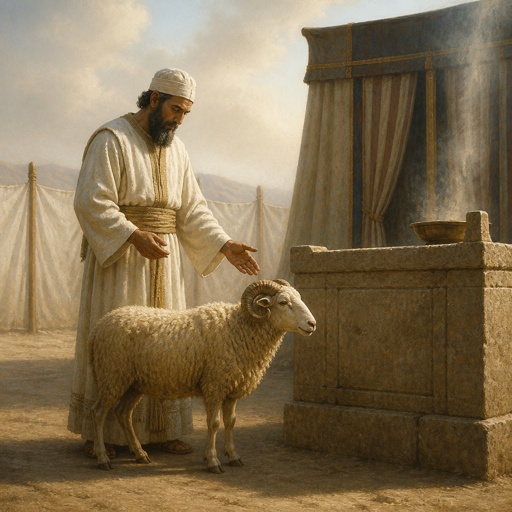
"Likewise this is the law of the trespass offering: it is most holy." - Leviticus 7:1

Leviticus 17:7

leviticus 16:7-10

Leviticus 7:22 - "¶ And the LORD spake unto Moses, saying,"

Leviticus 7:28 - "¶ And the LORD spake unto Moses, saying,"

Leviticus 7:7 - "As the sin offering is, so is the trespass offering: there is one law for them: the priest that maketh atonement therewith shall have it."

Leviticus 19:7 - "And if it be eaten at all on the third day, it is abominable; it shall not be accepted."

Leviticus 7:17 - "But the remainder of the flesh of the sacrifice on the third day shall be burnt with fire."

Leviticus 3:7 - "If he offer a lamb for his offering, then shall he offer it before the LORD."

Leviticus 7:3 - "And he shall offer of it all the fat thereof; the rump, and the fat that covereth the inwards,"

Leviticus 26:7 - "And ye shall chase your enemies, and they shall fall before you by the sword."

Leviticus 7:11 - "And this is the law of the sacrifice of peace offerings, which he shall offer unto the LORD."
Leviticus 25:7 - "And for thy cattle, and for the beast that are in thy land, shall all the increase thereof be meat."

Leviticus 20:7 - "¶ Sanctify yourselves therefore, and be ye holy: for I am the LORD your God."

Leviticus 2:7 - "¶ And if thy oblation be a meat offering baken in the fryingpan, it shall be made of fine flour with oil."

Leviticus 7:31 - "And the priest shall burn the fat upon the altar: but the breast shall be Aaron's and his sons'."

Leviticus 7:9 - "And all the meat offering that is baken in the oven, and all that is dressed in the fryingpan, and in the pan, shall be the priest's that offereth it."

"¶ And the LORD spake unto Moses, saying," - Leviticus 7:22

"¶ And the LORD spake unto Moses, saying," - Leviticus 7:28

Leviticus 7:26 - "Moreover ye shall eat no manner of blood, whether it be of fowl or of beast, in any of your dwellings."

Leviticus 16:7 - "And he shall take the two goats, and present them before the LORD at the door of the tabernacle of the congregation."

Leviticus 23:7 - "In the first day ye shall have an holy convocation: ye shall do no servile work therein."

Leviticus 11:7 - "And the swine, though he divide the hoof, and be clovenfooted, yet he cheweth not the cud; he is unclean to you."

Leviticus 7:23 - "Speak unto the children of Israel, saying, Ye shall eat no manner of fat, of ox, or of sheep, or of goat."

Leviticus 7:5 - "And the priest shall burn them upon the altar for an offering made by fire unto the LORD: it is a trespass offering."

Leviticus 23:21