What does Leviticus 10:10 mean?
“And that ye may put difference between holy and unholy, and between unclean and clean;” — Leviticus 10:10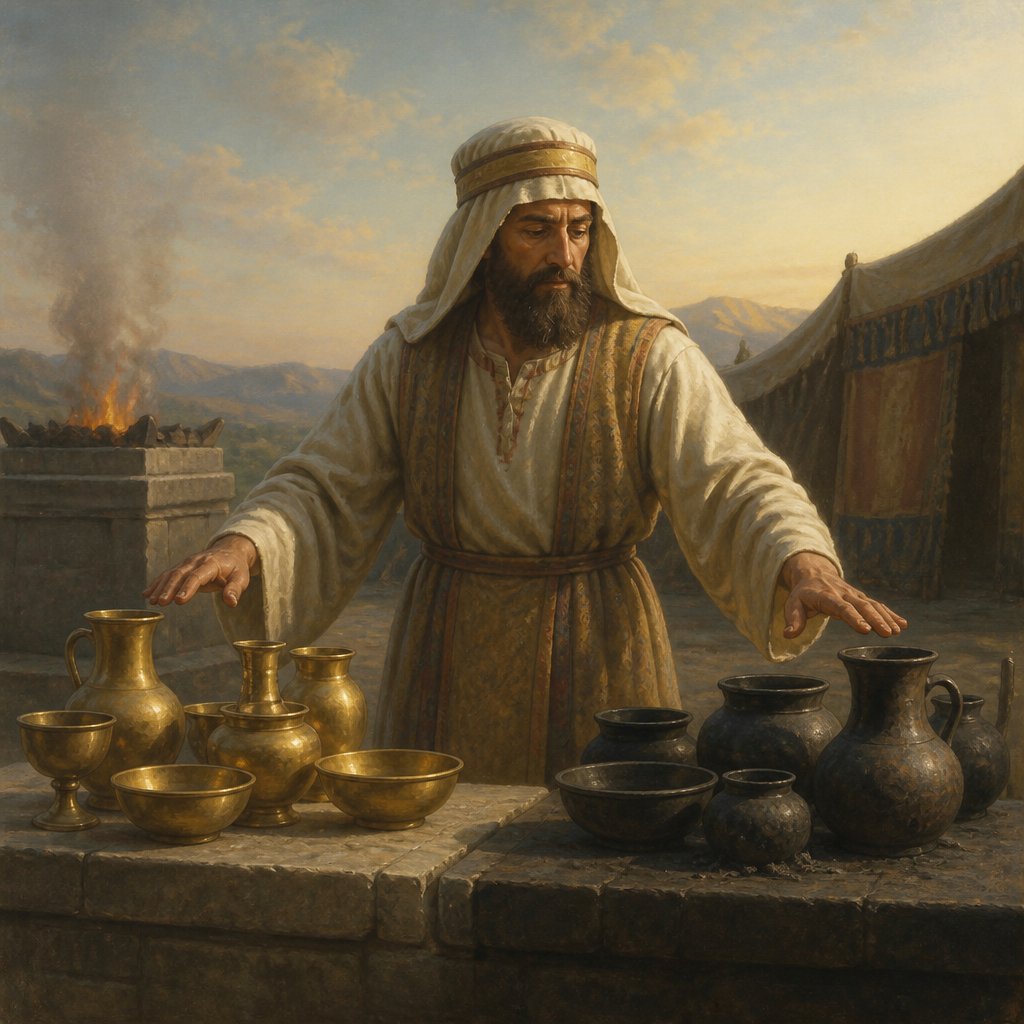
Leviticus 10:10 from the King James Version (KJV) reads, "And that ye may put difference between holy and unholy, and between unclean and clean."
This verse comes from a passage in the Book of Leviticus, which is the third book in the Hebrew Bible and the Old Testament of the Christian Bible. The Book of Leviticus is named after the Levites, the ancient Israelite tribe whose responsibilities included leading religious rituals and maintaining the Tabernacle. It is primarily concerned with ritual laws and regulations, particularly those related to priests and sacrifices.
In Leviticus 10:10, God is speaking to Aaron, the high priest of Israel, and his sons, who were also functioning as priests. The verse is part of instructions that God gives to Aaron about the proper conduct for priests performing their duties. These instructions were intended to maintain holiness and order within the religious community.
The verse highlights the importance of maintaining a clear distinction between that which is holy and that which is unholy, as well as between what is unclean and what is clean. This distinction served to emphasize the sacredness of God's presence and the need for purity in approaching Him. It also reinforced the idea of maintaining a separation from anything that could defile or compromise the sanctity of the priesthood and the worship of God.
One of the key themes in this verse is the concept of holiness. The idea of holiness is central to the religious worldview presented in Leviticus. It conveys the idea of being set apart, dedicated to God, and living in accordance with His will. For the priests, maintaining this holiness was crucial, as they were the mediators between the people and God. Their role required them to uphold the highest ethical and moral standards in order to properly represent the divine.
The verse also addresses the notion of purity and impurity. Throughout Leviticus, the idea of cleanliness and uncleanliness is a recurring motif, often tied to ritual practices and dietary laws. These regulations served to symbolize the need for spiritual cleanliness and moral integrity in the presence of God. They also reinforced the idea that one's conduct and state of being could impact their relationship with the divine.
In a broader context, Leviticus 10:10 reflects the overall concern for maintaining order and structure within the religious community. The verse illustrates the importance of adhering to divine laws and regulations in order to preserve the integrity of the priesthood and the sanctity of religious rituals. It emphasizes the need for discernment and clarity in distinguishing between right and wrong, pure and impure, in order to faithfully fulfill one's religious duties.
Symbolically, the verse can be seen as a reflection of the broader moral and ethical principles that underpin religious life. It serves as a reminder of the importance of cultivating a sense of sacredness and reverence in one's spiritual practices, as well as the need to uphold moral purity and integrity in all aspects of life.
In conclusion, Leviticus 10:10 is a verse that carries significant ethical, moral, and religious significance within the context of the Book of Leviticus. It speaks to the themes of holiness, purity, and discernment, and underscores the importance of maintaining a clear distinction between that which is sacred and that which is profane. As part of the larger framework of religious law and practice, this verse serves as a guide for understanding the principles of ethical conduct and spiritual discipline in the ancient Israelite religious tradition.
Get our apps


Artwork for Leviticus 10:10

Leviticus 10:10 - "And that ye may put difference between holy and unholy, and between unclean and clean;"
"And that ye may put difference between holy and unholy, and between unclean and clean;" - Leviticus 10:10

leviticus 16:7-10

Leviticus 10:20 - "And when Moses heard that, he was content."
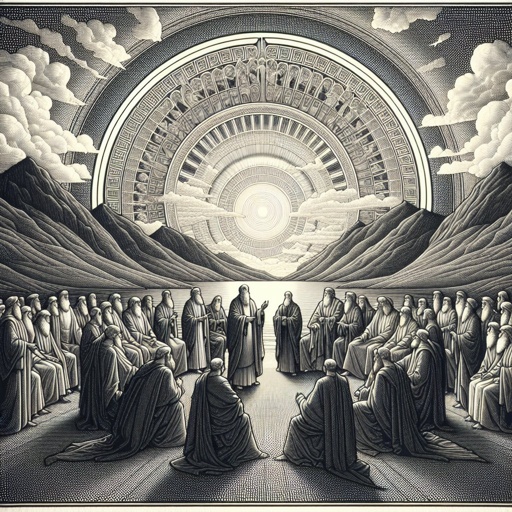
Leviticus 10:8 - "¶ And the LORD spake unto Aaron, saying,"

Leviticus 10:2 - "And there went out fire from the LORD, and devoured them, and they died before the LORD."

Leviticus 26:10 - "And ye shall eat old store, and bring forth the old because of the new."

Leviticus 8:10 - "And Moses took the anointing oil, and anointed the tabernacle and all that was therein, and sanctified them."

Leviticus 10:5 - "So they went near, and carried them in their coats out of the camp; as Moses had said."
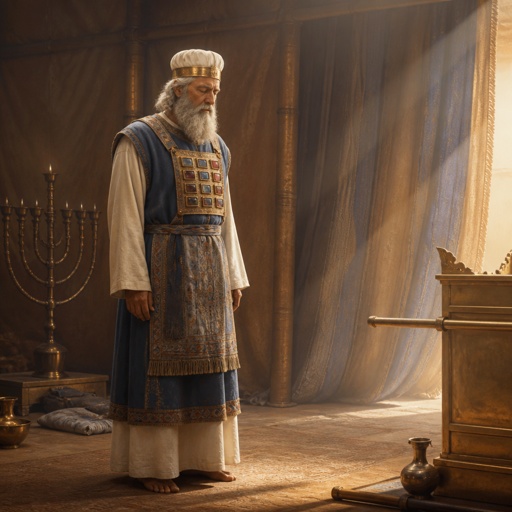
"¶ And the LORD spake unto Aaron, saying," - Leviticus 10:8
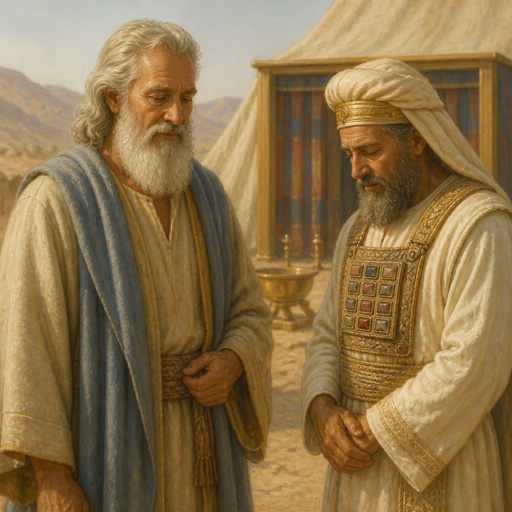
"And when Moses heard that, he was content." - Leviticus 10:20

Leviticus 22:10 - "There shall no stranger eat of the holy thing: a sojourner of the priest, or an hired servant, shall not eat of the holy thing."

Leviticus 7:10 - "And every meat offering, mingled with oil, and dry, shall all the sons of Aaron have, one as much as another."

Leviticus 1:10 - "¶ And if his offering be of the flocks, namely, of the sheep, or of the goats, for a burnt sacrifice; he shall bring it a male without blemish."

Leviticus 9:10 - "But the fat, and the kidneys, and the caul above the liver of the sin offering, he burnt upon the altar; as the LORD commanded Moses."

Leviticus 10:11 - "And that ye may teach the children of Israel all the statutes which the LORD hath spoken unto them by the hand of Moses."
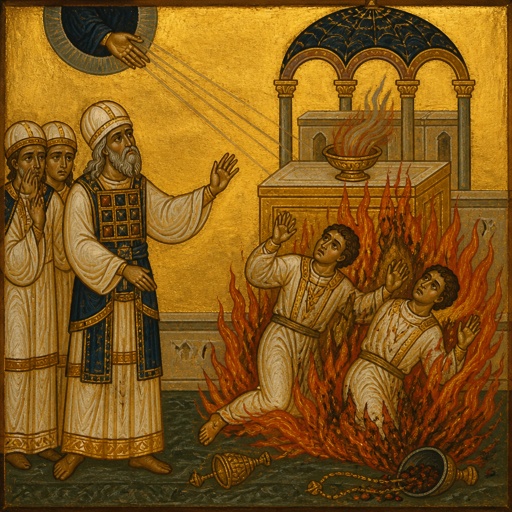
Leviticus 10 Aaron’s son burned alive for offering strange fire and incense.

Leviticus 3:10 - "And the two kidneys, and the fat that is upon them, which is by the flanks, and the caul above the liver, with the kidneys, it shall he take away."

Leviticus 10:18 - "Behold, the blood of it was not brought in within the holy place: ye should indeed have eaten it in the holy place, as I commanded."

Leviticus 4:10 - "As it was taken off from the bullock of the sacrifice of peace offerings: and the priest shall burn them upon the altar of the burnt offering."

Leviticus 2:10 - "And that which is left of the meat offering shall be Aaron's and his sons': it is a thing most holy of the offerings of the LORD made by fire."

Leviticus 13:10 - "And the priest shall see him: and, behold, if the rising be white in the skin, and it have turned the hair white, and there be quick raw flesh in the rising;"
Leviticus 18:10 - "The nakedness of thy son's daughter, or of thy daughter's daughter, even their nakedness thou shalt not uncover: for their's is thine own nakedness."

Leviticus 20:10-12 - "Leviticus 20:10-12 If a man commits adultery with another man's wife—with the wife of his neighbor—both the adulterer and the adulteress are to be put to death. If a man has sexual relations with his father’s wife, he has dishonored his father. Both the man and the woman are to be put to death; their blood will be on their own heads. If a man has sexual relations with his daughter-in-law, both of them are to be put to death. What they have done is a perversion; their blood will be on their own heads."

Leviticus 16:10 - "But the goat, on which the lot fell to be the scapegoat, shall be presented alive before the LORD, to make an atonement with him, and to let him go for a scapegoat into the wilderness."

Leviticus 11:10 - "And all that have not fins and scales in the seas, and in the rivers, of all that move in the waters, and of any living thing which is in the waters, they shall be an abomination unto you:"

Leviticus 24:10 - "¶ And the son of an Israelitish woman, whose father was an Egyptian, went out among the children of Israel: and this son of the Israelitish woman and a man of Israel strove together in the camp;"
Leviticus 10:13 - "And ye shall eat it in the holy place, because it is thy due, and thy sons' due, of the sacrifices of the LORD made by fire: for so I am commanded."

Leviticus 10:16 - "¶ And Moses diligently sought the goat of the sin offering, and, behold, it was burnt: and he was angry with Eleazar and Ithamar, the sons of Aaron which were left alive, saying,"

Leviticus 27:10 - "He shall not alter it, nor change it, a good for a bad, or a bad for a good: and if he shall at all change beast for beast, then it and the exchange thereof shall be holy."