What does Leviticus 13:18 mean?
“The flesh also, in which, even in the skin thereof, was a boil, and is healed,” — Leviticus 13:18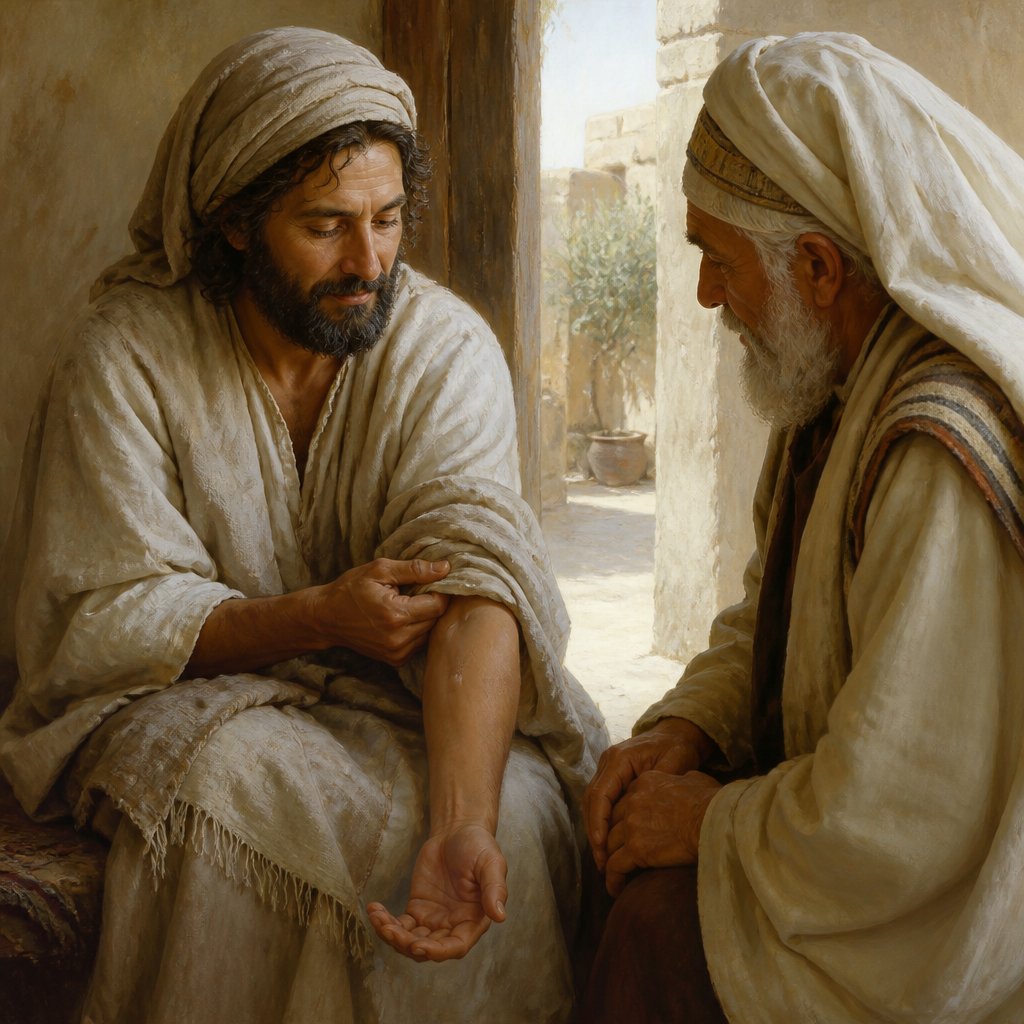
Leviticus 13:18 (KJV) states, "The flesh also, in which, even in the skin thereof, was a boil, and is healed,". This verse is part of the Book of Leviticus, which is the third book of the Hebrew Bible and the Old Testament. It is a book of law and ritual, dealing with the duties of the priests and the regulations governing the Israelites' religious and moral conduct. The verse is part of a larger passage about the diagnosis and treatment of various skin diseases by the priests.
In this verse, the focus is on a boil in the flesh of a person. The boil could be a sign of a skin disease, and the healing of the boil is significant. The Book of Leviticus provides detailed instructions for the priests to diagnose and quarantine those with skin diseases, and to determine whether they are healed and can return to the community.
One of the key themes in this verse is the idea of purity and impurity. In the religious and cultural context of ancient Israel, physical health was closely linked to spiritual purity. Skin diseases were seen as a sign of impurity, and those who were afflicted were often isolated from the community to prevent the spread of impurity. The healing of the boil is therefore not just a physical cure, but also a restoration of the person's purity and their ability to rejoin the community and participate in religious rituals.
The verse also reflects the importance of the role of the priests in the religious life of the Israelites. The priests were responsible for diagnosing and treating skin diseases, as well as for making judgments about whether someone was healed and could return to the community. This highlights the priestly role as mediators between the people and God, as well as their authority in matters of religious law and purity.
Symbolically, the boil can represent the presence of sin or impurity in a person's life. The healing of the boil can then be understood as a metaphor for spiritual healing and restoration. It signifies not only the physical healing of the person but also the restoration of their relationship with God and the community.
In a broader sense, this verse can be seen as a reflection of the importance of physical health and well-being in the religious and moral life of the Israelites. It emphasizes the connection between the body and the spirit, and the need for both physical and spiritual purity. It also underscores the idea of compassion and care for those who are suffering from illness, as well as the importance of ritual and discipline in maintaining the spiritual health of the community.
Overall, Leviticus 13:18 offers a rich and multi-layered reflection on the themes of purity, healing, and the role of the priests in the religious life of the Israelites. It provides not only practical instructions for dealing with skin diseases but also profound insights into the spiritual and moral values of the ancient Israelite community. The verse continues to be a source of inspiration and reflection for readers seeking to understand the complex interplay of physical and spiritual health in religious traditions.
Get our apps


Artwork for Leviticus 13:18

Leviticus 13:18 - "¶ The flesh also, in which, even in the skin thereof, was a boil, and is healed,"

"¶ The flesh also, in which, even in the skin thereof, was a boil, and is healed," - Leviticus 13:18

Leviticus 18:13 - "Thou shalt not uncover the nakedness of thy mother's sister: for she is thy mother's near kinswoman."
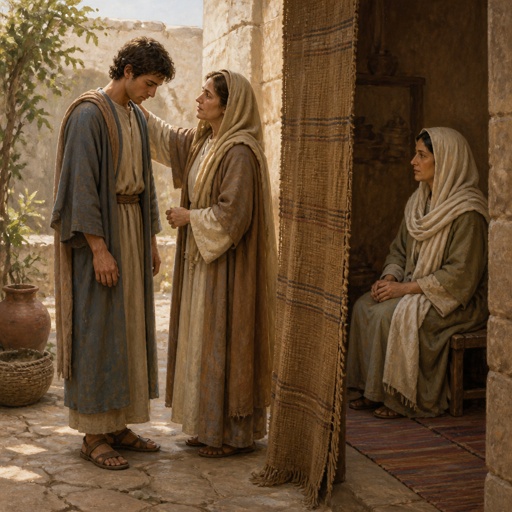
"Thou shalt not uncover the nakedness of thy mother's sister: for she is thy mother's near kinswoman." - Leviticus 18:13

Leviticus 11:18 - "And the swan, and the pelican, and the gier eagle,"

Leviticus 18:1 - "And the LORD spake unto Moses, saying,"

Leviticus 18:22 - "Thou shalt not lie with mankind, as with womankind: it is abomination."

Leviticus 24:13 - "And the LORD spake unto Moses, saying,"

Leviticus 18:18 - "Neither shalt thou take a wife to her sister, to vex her, to uncover her nakedness, beside the other in her life time."

Leviticus 21:13 - "And he shall take a wife in her virginity."

Leviticus 13:1 - "And the LORD spake unto Moses and Aaron, saying,"

Leviticus 24:18 - "And he that killeth a beast shall make it good; beast for beast."

Leviticus 13:35 - "But if the scall spread much in the skin after his cleansing;"

Leviticus 18:16 - "Thou shalt not uncover the nakedness of thy brother's wife: it is thy brother's nakedness."

Leviticus 13:29 - "¶ If a man or woman have a plague upon the head or the beard;"

Leviticus 18:8 - "The nakedness of thy father's wife shalt thou not uncover: it is thy father's nakedness."

"And the swan, and the pelican, and the gier eagle," - Leviticus 11:18

Leviticus 13:14 - "But when raw flesh appeareth in him, he shall be unclean."

Luke 13:18-19

Luke 13:18-19

Leviticus 13:47 - "¶ The garment also that the plague of leprosy is in, whether it be a woollen garment, or a linen garment;"

Leviticus 18:20 - "Moreover thou shalt not lie carnally with thy neighbour's wife, to defile thyself with her."

Leviticus 13:9 - "¶ When the plague of leprosy is in a man, then he shall be brought unto the priest;"

Leviticus 18:2 - "Speak unto the children of Israel, and say unto them, I am the LORD your God."

"And the LORD spake unto Moses, saying," - Leviticus 18:1

Leviticus 13:22 - "And if it spread much abroad in the skin, then the priest shall pronounce him unclean: it is a plague."

Leviticus 25:13 - "In the year of this jubile ye shall return every man unto his possession."

Leviticus 6:13 - "The fire shall ever be burning upon the altar; it shall never go out."

Leviticus 18:12 - "Thou shalt not uncover the nakedness of thy father's sister: she is thy father's near kinswoman."

Leviticus 18:27 - "(For all these abominations have the men of the land done, which were before you, and the land is defiled;)"