What does Leviticus 13:46 mean?
“All the days wherein the plague shall be in him he shall be defiled; he is unclean: he shall dwell alone; without the camp shall his habitation be.” — Leviticus 13:46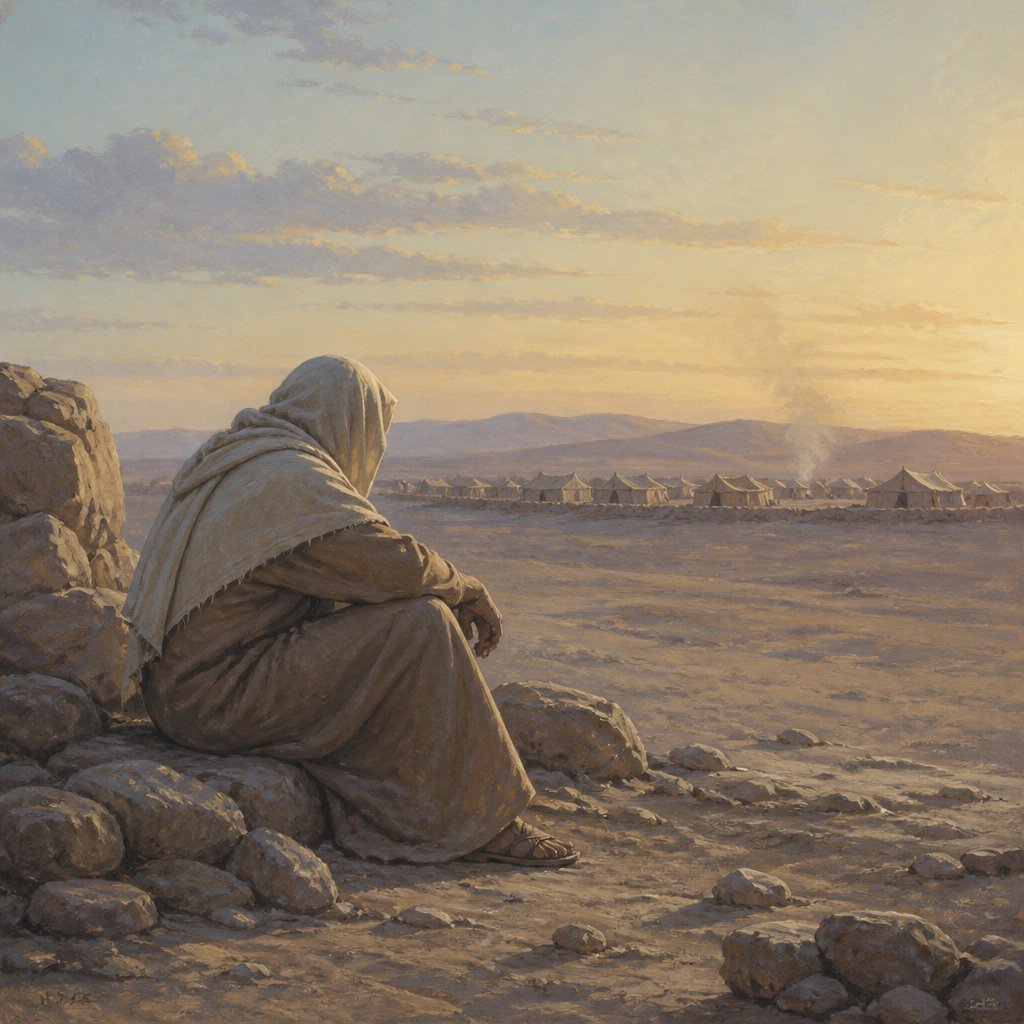
Leviticus 13:46 (KJV) states, "All the days wherein the plague shall be in him he shall be defiled; he is unclean: he shall dwell alone; without the camp shall his habitation be."
This verse is part of the laws regarding skin diseases found in the book of Leviticus. In this particular chapter, the Lord gives detailed instructions to Moses and Aaron regarding how to distinguish between various skin diseases and how to handle those who are infected. It is important to note that these laws were given to the Israelites as God's chosen people during the time when they were living in the wilderness and forming their community and societal structure.
The context of this verse is crucial for understanding its meaning and significance. It is part of a larger section in Leviticus that deals with the ritual cleanliness and purity required for the Israelites to approach and worship God. Skin diseases were considered a source of ritual impurity, and those who were afflicted were to be isolated from the community until they were deemed clean by the priests.
The theme of this verse revolves around the concepts of purity, community, and separation. The presence of a skin disease was seen as a defilement that rendered a person unclean and, therefore, unfit to participate in the communal life of the Israelites. This rule may seem harsh to our modern sensibilities, but it was a part of the religious and cultural norms of the ancient Israelites that helped to maintain the holiness and order of their society.
The symbolism in this verse is important in understanding its deeper spiritual significance. The skin diseases mentioned in Leviticus are often interpreted symbolically to represent sin and moral impurity. Just as an individual with a skin disease was seen as unclean and in need of isolation and purification, so too is the presence of sin in a person's life seen as a defilement that separates them from God and others. The mandate for the afflicted to "dwell alone" and "without the camp" serves as a visual representation of the social and spiritual consequences of sin.
It is essential to approach this verse with sensitivity and mindfulness of its historical and cultural context. While the laws and practices outlined in Leviticus may seem foreign and even discriminatory to us today, they played a significant role in shaping the religious identity and practices of the ancient Israelites. It is also worth noting that these laws were part of a larger system of regulations intended to promote community health and well-being in a time when medical knowledge was limited.
As Christians, we can also interpret this verse in light of the redemptive work of Jesus Christ. In the New Testament, Jesus reached out to those who were considered outcasts and unclean, healing them of their physical ailments and spiritual impurities. His ministry challenged the social and religious norms of his time, teaching the importance of love, compassion, and inclusion. Through his sacrifice on the cross, Jesus offered a way for all people to be cleansed and reconciled with God, regardless of their past sins or societal status.
In conclusion, Leviticus 13:46 serves as a reminder of the ancient laws and practices surrounding ritual purity and impurity. While these regulations may seem harsh or even discriminatory to us today, they were an integral part of the religious and cultural life of the ancient Israelites. As Christians, we can also interpret this verse in light of the redemptive work of Jesus Christ, who offered a way for all people to be cleansed and reconciled with God. It is also an opportunity to reflect on the importance of purity, community, and compassion in our own lives and relationships.
Get our apps


Artwork for Leviticus 13:46

Leviticus 13:46 - "All the days wherein the plague shall be in him he shall be defiled; he is unclean: he shall dwell alone; without the camp shall his habitation be."
"All the days wherein the plague shall be in him he shall be defiled; he is unclean: he shall dwell alone; without the camp shall his habitation be." - Leviticus 13:46

Leviticus 11:46 - "This is the law of the beasts, and of the fowl, and of every living creature that moveth in the waters, and of every creature that creepeth upon the earth:"

Leviticus 26:46 - "These are the statutes and judgments and laws, which the LORD made between him and the children of Israel in mount Sinai by the hand of Moses."

Genesis 46:13 - "¶ And the sons of Issachar; Tola, and Phuvah, and Job, and Shimron."

"¶ And the sons of Issachar; Tola, and Phuvah, and Job, and Shimron." - Genesis 46:13

Jeremiah 46:13 - "¶ The word that the LORD spake to Jeremiah the prophet, how Nebuchadrezzar king of Babylon should come and smite the land of Egypt."
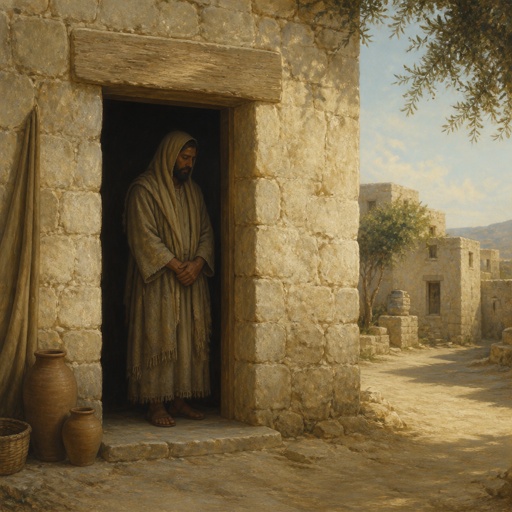
"Moreover he that goeth into the house all the while that it is shut up shall be unclean until the even." - Leviticus 14:46

Matthew 13:46 - "Who, when he had found one pearl of great price, went and sold all that he had, and bought it."

Ezekiel 46:13 - "Thou shalt daily prepare a burnt offering unto the LORD of a lamb of the first year without blemish: thou shalt prepare it every morning."

"This is the law of the beasts, and of the fowl, and of every living creature that moveth in the waters, and of every creature that creepeth upon the earth:" - Leviticus 11:46

Isaiah 46:13 - "I bring near my righteousness; it shall not be far off, and my salvation shall not tarry: and I will place salvation in Zion for Israel my glory."

Leviticus 24:13 - "And the LORD spake unto Moses, saying,"

Leviticus 21:13 - "And he shall take a wife in her virginity."

Leviticus 13:1 - "And the LORD spake unto Moses and Aaron, saying,"
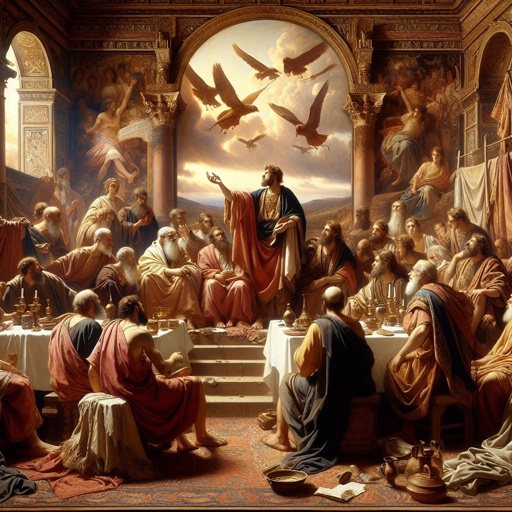
Leviticus 25:46 - "And ye shall take them as an inheritance for your children after you, to inherit them for a possession; they shall be your bondmen for ever: but over your brethren the children of Israel, ye shall not rule one over another with rigour."

Leviticus 13:35 - "But if the scall spread much in the skin after his cleansing;"

Leviticus 13:29 - "¶ If a man or woman have a plague upon the head or the beard;"

Leviticus 13:18 - "¶ The flesh also, in which, even in the skin thereof, was a boil, and is healed,"
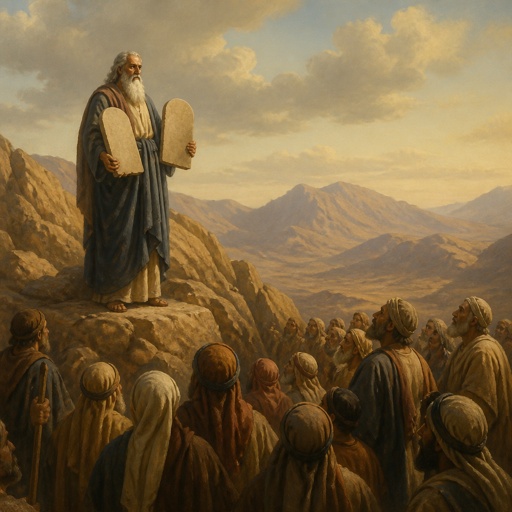
"These are the statutes and judgments and laws, which the LORD made between him and the children of Israel in mount Sinai by the hand of Moses." - Leviticus 26:46

Leviticus 13:14 - "But when raw flesh appeareth in him, he shall be unclean."

Leviticus 13:47 - "¶ The garment also that the plague of leprosy is in, whether it be a woollen garment, or a linen garment;"

Leviticus 13:9 - "¶ When the plague of leprosy is in a man, then he shall be brought unto the priest;"

Leviticus 13:22 - "And if it spread much abroad in the skin, then the priest shall pronounce him unclean: it is a plague."

Leviticus 25:13 - "In the year of this jubile ye shall return every man unto his possession."

Leviticus 6:13 - "The fire shall ever be burning upon the altar; it shall never go out."

Leviticus 13:19 - "And in the place of the boil there be a white rising, or a bright spot, white, and somewhat reddish, and it be shewed to the priest;"

Leviticus 13:48 - "Whether it be in the warp, or woof; of linen, or of woollen; whether in a skin, or in any thing made of skin;"

Leviticus 13:50 - "And the priest shall look upon the plague, and shut up it that hath the plague seven days:"

Leviticus 27:13 - "But if he will at all redeem it, then he shall add a fifth part thereof unto thy estimation."