What does Leviticus 14:8 mean?
“And he that is to be cleansed shall wash his clothes, and shave off all his hair, and wash himself in water, that he may be clean: and after that he shall come into the camp, and shall tarry abroad out of his tent seven days.” — Leviticus 14:8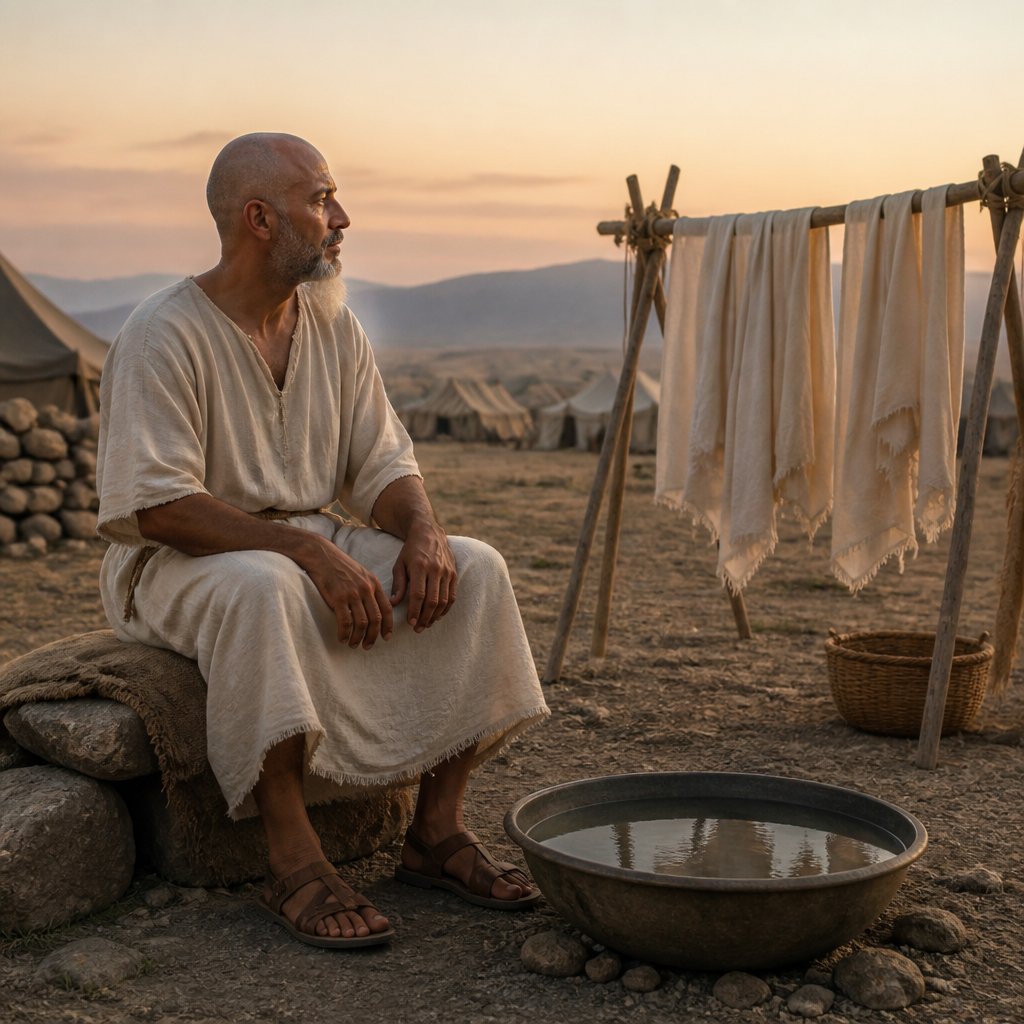
Leviticus 14:8 (KJV) - "And he that is to be cleansed shall wash his clothes, and shave off all his hair, and wash himself in water, that he may be clean: and after that he shall come into the camp, and shall tarry abroad out of his tent seven days."
The book of Leviticus is the third book of the Old Testament and is primarily concerned with the laws and rituals of the Israelites. It is believed to have been written by Moses and it contains guidelines for the priests and the people on how to live a holy life and maintain a close relationship with God. Leviticus 14 specifically deals with the laws regarding cleansing from skin diseases, which were considered unclean and a barrier to participating fully in the religious and social life of the community.
In this verse, the focus is on the process of cleansing for a person afflicted with a skin disease. The rituals described here are part of a larger ceremonial cleansing process for someone who has been pronounced clean by the priest. These rituals were important for restoring the person to the community and to God.
The first action required for the person to be cleansed is to wash their clothes. In the Bible, clothes often symbolize one's spiritual state. The act of washing clothes can be seen as a symbol of spiritual purification and renewal. It represents a turning away from sin and a desire for holiness and purity.
Next, the person is instructed to shave off all their hair. Hair, in many cultures, is seen as a symbol of power, identity, and sometimes, impurity. In the context of this verse, the shaving of the hair symbolizes the removal of impurity and defilement. It is an outward sign of the inward change that has taken place within the individual.
The person is then instructed to wash themselves in water. Water is a common symbol of purity and cleansing in the Bible. The act of washing in water represents the cleansing of the soul and the removal of sin. It is a symbol of spiritual rebirth and renewal, as seen in the Christian practice of baptism.
Once these actions are completed, the person is considered clean and is allowed to return to the camp. However, they are to stay outside of their tent for seven days. This period of separation could be seen as a time for reflection, introspection, and preparation before fully re-entering the community. It is also a time to ensure that the person is truly healed and free from the impurity that had previously afflicted them.
The themes present in this verse are centered around purification, restoration, and community. The process of cleansing described here is not only physical but also spiritual in nature. It represents the desire for wholeness and the restoration of a person to God and the community. The emphasis on ritual and purification highlights the importance of holiness and spiritual cleanliness in the lives of the Israelites.
The context of this verse is within the larger framework of the book of Leviticus, which addresses various laws and rituals for the Israelites. It is important to understand the cultural and religious context of the time, as these practices may seem foreign or unnecessary to modern readers. However, at the heart of these rituals is the desire for closeness with God and the maintenance of a pure and holy community.
In conclusion, Leviticus 14:8 offers a powerful message about the spiritual cleansing and restoration of an afflicted person. It emphasizes the importance of purity, both physically and spiritually, as well as the desire for wholeness and inclusion within the community. The symbolism of washing clothes, shaving hair, and washing in water all point to the theme of spiritual purification and renewal. Overall, this verse reminds us of the importance of pursuing holiness and seeking restoration in our relationship with God.
Get our apps


Artwork for Leviticus 14:8
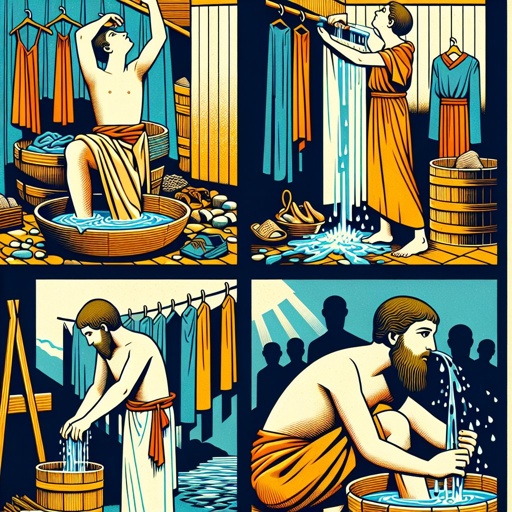
Leviticus 14:8 - "And he that is to be cleansed shall wash his clothes, and shave off all his hair, and wash himself in water, that he may be clean: and after that he shall come into the camp, and shall tarry abroad out of his tent seven days."
"And he that is to be cleansed shall wash his clothes, and shave off all his hair, and wash himself in water, that he may be clean: and after that he shall come into the camp, and shall tarry abroad out of his tent seven days." - Leviticus 14:8

Leviticus 8:14 - "And he brought the bullock for the sin offering: and Aaron and his sons laid their hands upon the head of the bullock for the sin offering."

Leviticus 14:51

Leviticus 16:8

Leviticus 14:55 - "And for the leprosy of a garment, and of a house,"

Leviticus 8:30

Leviticus 14:56 - "And for a rising, and for a scab, and for a bright spot:"

Leviticus 14:1 - "And the LORD spake unto Moses, saying,"

Leviticus 11:14 - "And the vulture, and the kite after his kind;"
Leviticus 5:14 - "¶ And the LORD spake unto Moses, saying,"
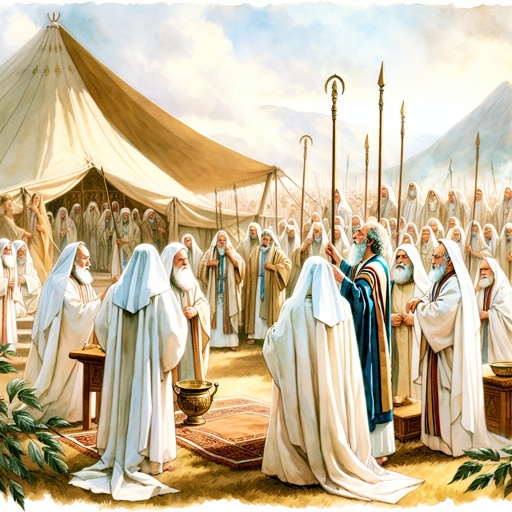
Leviticus 8:1-12

Leviticus 8:8 - "And he put the breastplate upon him: also he put in the breastplate the Urim and the Thummim."
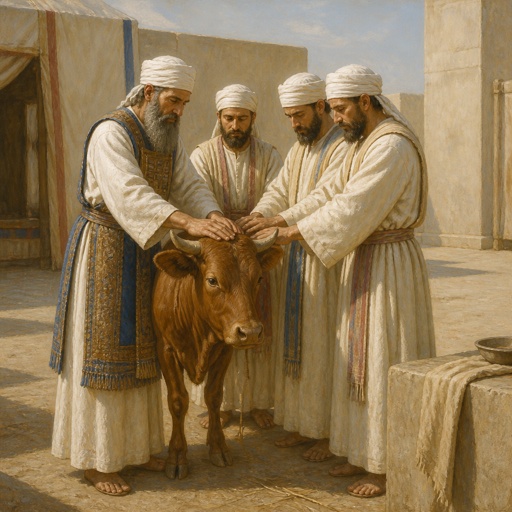
"And he brought the bullock for the sin offering: and Aaron and his sons laid their hands upon the head of the bullock for the sin offering." - Leviticus 8:14

Leviticus 14:54 - "This is the law for all manner of plague of leprosy, and scall,"

Leviticus 6:8 - "¶ And the LORD spake unto Moses, saying,"
Leviticus 10:8 - "¶ And the LORD spake unto Aaron, saying,"

Leviticus 26:14 - "¶ But if ye will not hearken unto me, and will not do all these commandments;"

Leviticus 14:33 - "¶ And the LORD spake unto Moses and unto Aaron, saying,"

Leviticus 8:1 - "And the LORD spake unto Moses, saying,"

Leviticus 14:57 - "To teach when it is unclean, and when it is clean: this is the law of leprosy."

"And for the leprosy of a garment, and of a house," - Leviticus 14:55

Leviticus 13:14 - "But when raw flesh appeareth in him, he shall be unclean."

Leviticus 14:26 - "And the priest shall pour of the oil into the palm of his own left hand:"

Leviticus 8:32 - "And that which remaineth of the flesh and of the bread shall ye burn with fire."

Leviticus 14:30 - "And he shall offer the one of the turtledoves, or of the young pigeons, such as he can get;"

"And for a rising, and for a scab, and for a bright spot:" - Leviticus 14:56

Leviticus 8:6 - "And Moses brought Aaron and his sons, and washed them with water."

Leviticus 8:19 - "And he killed it; and Moses sprinkled the blood upon the altar round about."

Leviticus 8:3 - "And gather thou all the congregation together unto the door of the tabernacle of the congregation."