What does Leviticus 14:20 mean?
“And the priest shall offer the burnt offering and the meat offering upon the altar: and the priest shall make an atonement for him, and he shall be clean.” — Leviticus 14:20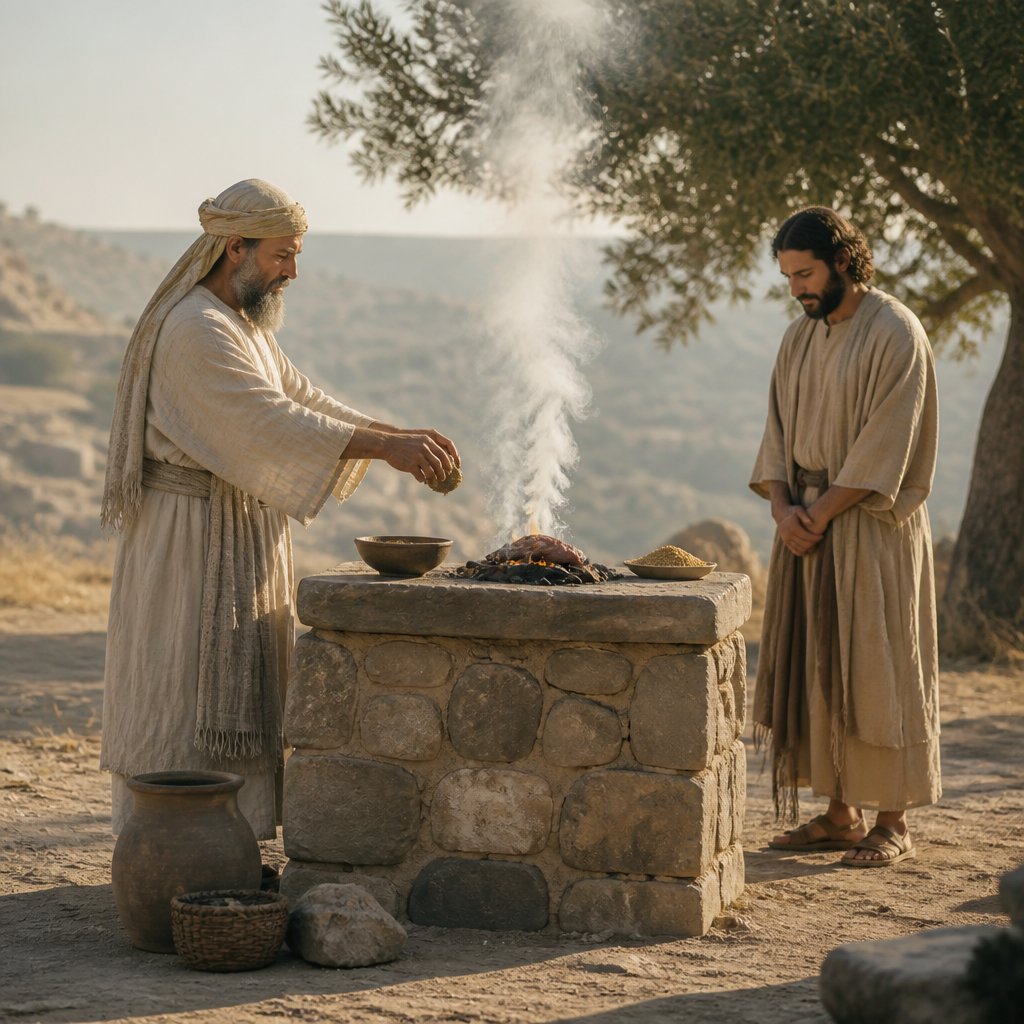
Leviticus 14:20 in the King James Version (KJV) states, "And the priest shall offer the burnt offering and the meat offering upon the altar: and the priest shall make an atonement for him, and he shall be clean."
This verse is part of the elaborate instructions for the cleansing of a person with a skin disease, often interpreted as leprosy. In the book of Leviticus, detailed instructions are given for how to diagnose, treat, and ultimately restore someone who has been afflicted with a skin disease. This particular verse is part of the ritual for purifying the person and reintegrating them into the community.
The burnt offering and the meat offering mentioned in this verse are significant components of the purification ritual. The burnt offering was a ritual sacrifice made to atone for sin and express devotion to God. The meat offering, also known as the grain offering, was a voluntary offering made as a gesture of thanksgiving.
The act of the priest offering these sacrifices on the altar signifies the intermediary role of the priest between the individual and God. The priest acts as a mediator, facilitating the process of atonement and reconciliation between the individual and God. This highlights the importance of the priestly role in the religious and spiritual life of the community.
The concept of atonement is central to this verse. Atonement refers to the reconciliation of God and humanity through the sacrificial offering, thereby restoring the individual to a state of purity and wholeness. The ritual described in this verse serves as a means of achieving atonement and seeking forgiveness for the individual's sins or impurities.
The theme of purification and cleansing is also prominent in this verse. The individual who has been afflicted with a skin disease undergoes a process of purification in order to be declared clean and allowed to re-enter the community. This theme of cleansing extends beyond the physical level to a spiritual and moral level, symbolizing the need for inner purity and moral integrity.
Symbolism plays a significant role in understanding the deeper meaning of this verse. The burnt offering symbolizes the individual's commitment to God and the act of surrendering oneself completely. It represents a desire to atone for one's sins and seek reconciliation with God. The meat offering symbolizes thanksgiving and gratitude, acknowledging God's provision and faithfulness.
The altar, where the offerings are made, is a symbol of divine presence and communion with God. It represents the sacred space where the individual can come into direct contact with the divine and offer their sacrifices. The act of offering the sacrifices on the altar signifies the individual's willingness to submit to God's will and seek forgiveness and restoration.
The overall context of the book of Leviticus is important for understanding the significance of this verse. Leviticus is a book of laws and rituals that govern the religious and moral life of the Israelites. It outlines the various forms of worship, ethical guidelines, and purification rituals that were central to the Israelite religious practices. The detailed instructions for purification and atonement reflect the Israelites' deep concern for holiness and purity in their relationship with God.
In conclusion, Leviticus 14:20 embodies the themes of atonement, purification, and reconciliation with God. It underscores the importance of the priestly mediation, the symbolism of the offerings, and the significance of the altar as a place of divine encounter. The verse conveys the profound spiritual and moral significance of seeking forgiveness, cleansing, and restoration in one's relationship with God.
Get our apps


Artwork for Leviticus 14:20

Leviticus 14:20 - "And the priest shall offer the burnt offering and the meat offering upon the altar: and the priest shall make an atonement for him, and he shall be clean."
"And the priest shall offer the burnt offering and the meat offering upon the altar: and the priest shall make an atonement for him, and he shall be clean." - Leviticus 14:20
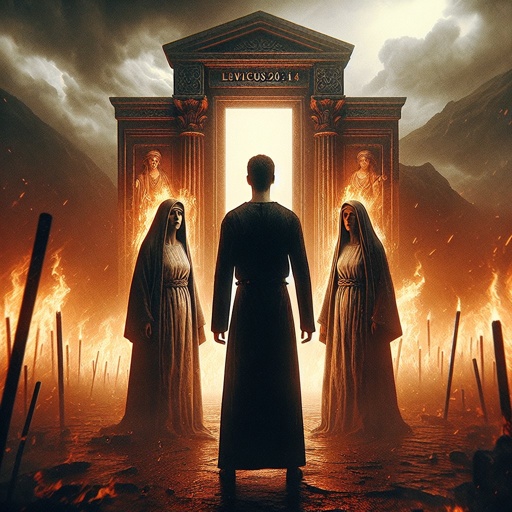
Leviticus 20:14 - "And if a man take a wife and her mother, it is wickedness: they shall be burnt with fire, both he and they; that there be no wickedness among you."

Leviticus 23:20
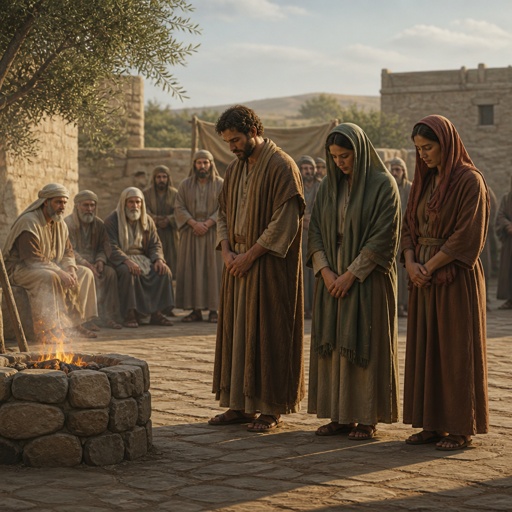
"And if a man take a wife and her mother, it is wickedness: they shall be burnt with fire, both he and they; that there be no wickedness among you." - Leviticus 20:14

Leviticus 24:20-23

Leviticus 14:51

Leviticus 20:1 - "And the LORD spake unto Moses, saying,"

Leviticus 10:20 - "And when Moses heard that, he was content."

Leviticus 14:55 - "And for the leprosy of a garment, and of a house,"

Leviticus 14:56 - "And for a rising, and for a scab, and for a bright spot:"

Leviticus 20:22-26 simple picture

Picture to summarize Leviticus 20:22-26

Leviticus 14:1 - "And the LORD spake unto Moses, saying,"

Leviticus 11:14 - "And the vulture, and the kite after his kind;"
Leviticus 5:14 - "¶ And the LORD spake unto Moses, saying,"

Leviticus 14:54 - "This is the law for all manner of plague of leprosy, and scall,"

Leviticus 20:20 - "And if a man shall lie with his uncle's wife, he hath uncovered his uncle's nakedness: they shall bear their sin; they shall die childless."

Leviticus 26:14 - "¶ But if ye will not hearken unto me, and will not do all these commandments;"

Leviticus 14:33 - "¶ And the LORD spake unto Moses and unto Aaron, saying,"

Leviticus 9:20 - "And they put the fat upon the breasts, and he burnt the fat upon the altar:"

Leviticus 8:20 - "And he cut the ram into pieces; and Moses burnt the head, and the pieces, and the fat."

Leviticus 22:20 - "But whatsoever hath a blemish, that shall ye not offer: for it shall not be acceptable for you."

Leviticus 14:57 - "To teach when it is unclean, and when it is clean: this is the law of leprosy."

"And for the leprosy of a garment, and of a house," - Leviticus 14:55

Leviticus 20:7 - "¶ Sanctify yourselves therefore, and be ye holy: for I am the LORD your God."

Leviticus 13:14 - "But when raw flesh appeareth in him, he shall be unclean."

Leviticus 14:26 - "And the priest shall pour of the oil into the palm of his own left hand:"

Leviticus 18:20 - "Moreover thou shalt not lie carnally with thy neighbour's wife, to defile thyself with her."

Leviticus 11:20 - "All fowls that creep, going upon all four, shall be an abomination unto you."