What does Leviticus 15:13 mean?
“And when he that hath an issue is cleansed of his issue; then he shall number to himself seven days for his cleansing, and wash his clothes, and bathe his flesh in running water, and shall be clean.” — Leviticus 15:13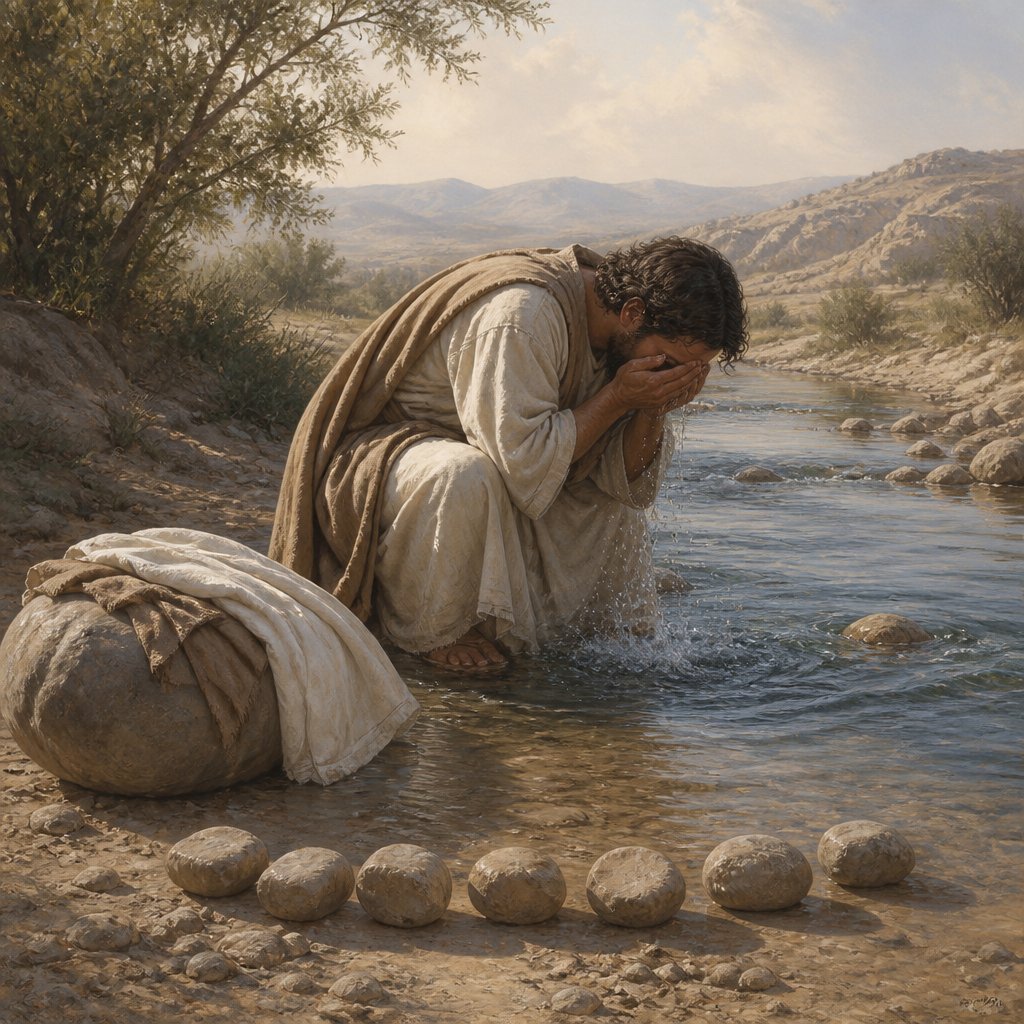
Leviticus 15:13 (KJV) states, "And when he that hath an issue is cleansed of his issue; then he shall number to himself seven days for his cleansing, and wash his clothes, and bathe his flesh in running water, and shall be clean."
To understand the significance of this verse, it is important to consider the context of the book of Leviticus. This particular verse is part of the laws given to the Israelites regarding bodily discharges. Throughout Leviticus, there are instructions on how to handle various bodily discharges, including those related to childbirth, menstruation, and abnormal discharges. These rules were designed to promote cleanliness and holiness among the people of Israel. In this verse, the focus is on the process of cleansing after a discharge has ceased.
The verse begins by stating, "And when he that hath an issue is cleansed of his issue." This indicates that the individual has been healed or has otherwise come to the end of the discharge. This could have been a relief for the person, as they were considered unclean during the time of their issue, and would have been required to isolate themselves from the community.
Following the cessation of the issue, the individual is instructed to "number to himself seven days for his cleansing." The number seven is significant in the Bible and often represents completion or perfection. In this case, the seven days may symbolize a complete period of purification and transition back into the community. During these seven days, the individual is to wash their clothes and bathe their flesh in running water. This process of washing and bathing was a physical act that symbolized the cleansing of impurity and the restoration of holiness.
The use of running water in the cleansing process is also noteworthy. In the Bible, water is often used as a symbol of purification and renewal. The running or "living" water was considered to be the purest form of water, free from stagnation and impurities. By bathing in running water, the individual was not only physically cleansing themselves but also participating in a symbolic purification that extended to the spiritual realm.
At the end of this seven-day period of cleansing and purification, the individual is declared to be clean. This declaration would have allowed them to reintegrate into the community and participate fully in religious rituals and gatherings. This process of cleansing after a bodily discharge served as a physical embodiment of the spiritual restoration of holiness and purity.
The themes present in this verse include holiness, cleanliness, and the symbolism of water. The laws outlined in Leviticus regarding bodily discharges may seem foreign or even outdated to modern readers, but they served a crucial purpose in the context of ancient Israelite society. These laws were designed to set the Israelites apart as a holy and distinct people, and to guide them in living lives that were pleasing to God.
In a broader sense, this verse can also be seen as a metaphor for spiritual cleansing and renewal. The process of washing and bathing in running water can be compared to the spiritual cleansing that takes place when a person seeks forgiveness and restoration. In this light, the verse can be a reminder of the transformative power of God's grace and the opportunity for spiritual rebirth.
In conclusion, Leviticus 15:13 offers a glimpse into the ancient laws and rituals of the Israelites, while also carrying symbolic and spiritual significance. The process of cleansing after a bodily discharge is a tangible representation of the restoration of holiness and purity, and serves as a reminder of the transformative power of God's grace.
Get our apps


Artwork for Leviticus 15:13

Leviticus 15:13 - "And when he that hath an issue is cleansed of his issue; then he shall number to himself seven days for his cleansing, and wash his clothes, and bathe his flesh in running water, and shall be clean."
"And when he that hath an issue is cleansed of his issue; then he shall number to himself seven days for his cleansing, and wash his clothes, and bathe his flesh in running water, and shall be clean." - Leviticus 15:13

Leviticus 13:15 - "And the priest shall see the raw flesh, and pronounce him to be unclean: for the raw flesh is unclean: it is a leprosy."
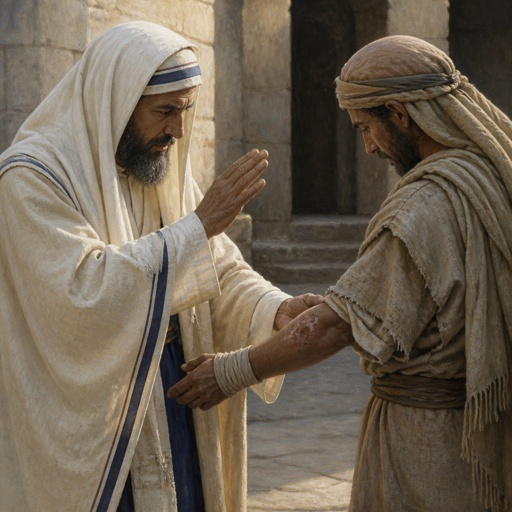
"And the priest shall see the raw flesh, and pronounce him to be unclean: for the raw flesh is unclean: it is a leprosy." - Leviticus 13:15

Leviticus 23:15-22

Leviticus 11:15 - "Every raven after his kind;"

Leviticus 15:1 - "And the LORD spake unto Moses and to Aaron, saying,"

Leviticus 24:13 - "And the LORD spake unto Moses, saying,"

Leviticus 21:13 - "And he shall take a wife in her virginity."

Leviticus 13:1 - "And the LORD spake unto Moses and Aaron, saying,"

Leviticus 13:35 - "But if the scall spread much in the skin after his cleansing;"

Leviticus 13:29 - "¶ If a man or woman have a plague upon the head or the beard;"

Leviticus 15:15 - "And the priest shall offer them, the one for a sin offering, and the other for a burnt offering; and the priest shall make an atonement for him before the LORD for his issue."

Leviticus 13:18 - "¶ The flesh also, in which, even in the skin thereof, was a boil, and is healed,"

Leviticus 13:14 - "But when raw flesh appeareth in him, he shall be unclean."

Leviticus 13:47 - "¶ The garment also that the plague of leprosy is in, whether it be a woollen garment, or a linen garment;"

Leviticus 13:9 - "¶ When the plague of leprosy is in a man, then he shall be brought unto the priest;"

Leviticus 15:9 - "And what saddle soever he rideth upon that hath the issue shall be unclean."

Leviticus 2:15 - "And thou shalt put oil upon it, and lay frankincense thereon: it is a meat offering."

Leviticus 22:15 - "And they shall not profane the holy things of the children of Israel, which they offer unto the LORD;"

Leviticus 13:22 - "And if it spread much abroad in the skin, then the priest shall pronounce him unclean: it is a plague."

Leviticus 25:13 - "In the year of this jubile ye shall return every man unto his possession."

Leviticus 6:13 - "The fire shall ever be burning upon the altar; it shall never go out."

Leviticus 13:19 - "And in the place of the boil there be a white rising, or a bright spot, white, and somewhat reddish, and it be shewed to the priest;"

Leviticus 13:48 - "Whether it be in the warp, or woof; of linen, or of woollen; whether in a skin, or in any thing made of skin;"

Leviticus 13:50 - "And the priest shall look upon the plague, and shut up it that hath the plague seven days:"

Leviticus 15:17 - "And every garment, and every skin, whereon is the seed of copulation, shall be washed with water, and be unclean until the even."

Leviticus 14:15 - "And the priest shall take some of the log of oil, and pour it into the palm of his own left hand:"

"Every raven after his kind;" - Leviticus 11:15

Leviticus 27:13 - "But if he will at all redeem it, then he shall add a fifth part thereof unto thy estimation."