What does Leviticus 15:33 mean?
“And of her that is sick of her flowers, and of him that hath an issue, of the man, and of the woman, and of him that lieth with her that is unclean.” — Leviticus 15:33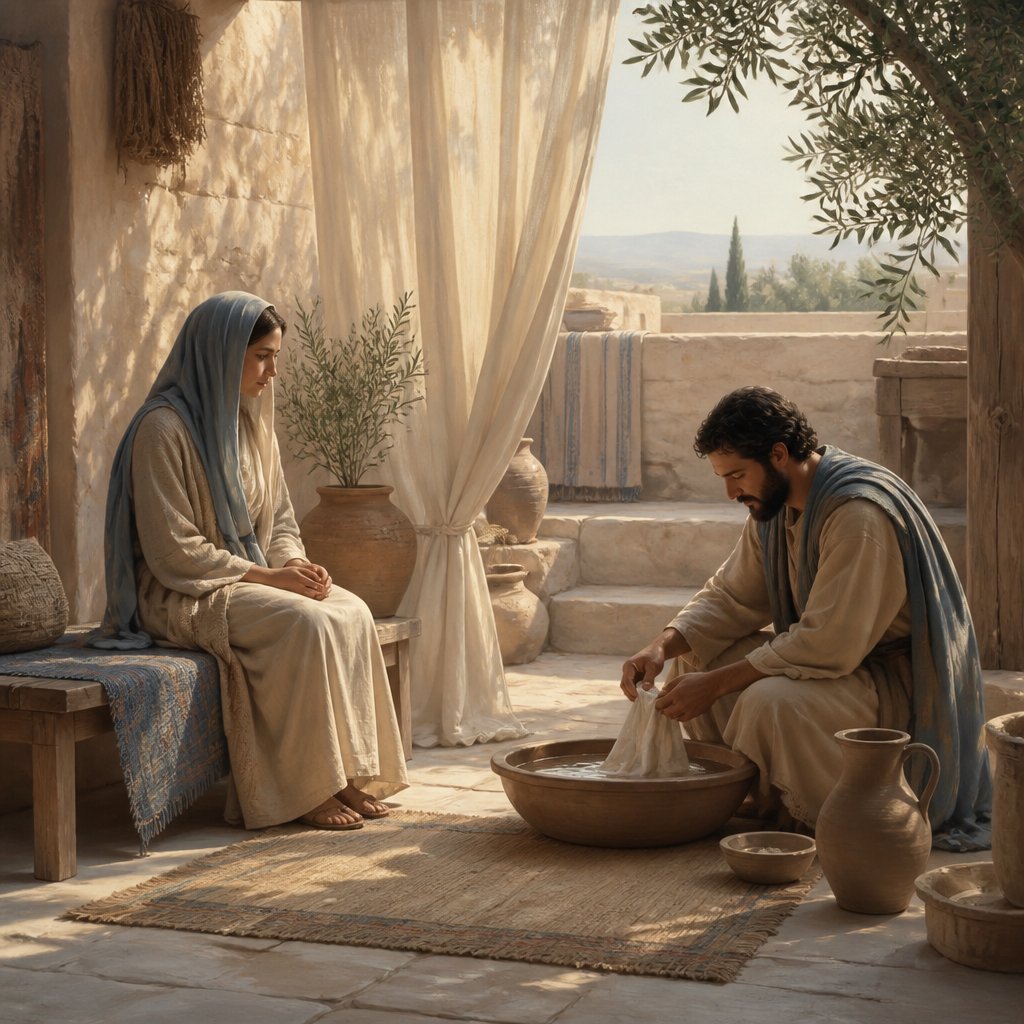
Leviticus 15:33 (KJV) states, "And of her that is sick of her flowers, and of him that hath an issue, of the man, and of the woman, and of him that lieth with her that is unclean."
This verse is part of a larger section in the book of Leviticus which deals with the laws of ritual purity and impurity, particularly as they pertain to bodily discharges. In the context of the entire passage, God instructs the Israelites on how to handle situations of uncleanness caused by bodily discharges and how to maintain purity within the community. The purpose of these regulations was to prevent the spread of disease and to ensure the holiness of the people of Israel.
One of the key themes in this verse is the concept of purity and holiness. In ancient Israelite society, purity was not only a physical state but also a spiritual one. The laws regarding bodily discharges served as a way to maintain cleanliness and prevent the spread of disease, but they also symbolized the importance of maintaining spiritual purity before God. The emphasis on purity was a central aspect of Israelite religious practice, and these laws were intended to help the people remain in a state of holiness before God.
Another important theme in this verse is the concept of community and social responsibility. The regulations regarding bodily discharges were not only concerned with individual purity but also with the impact that uncleanness could have on the broader community. By isolating those who were unclean and preventing them from participating in communal activities, the Israelites were able to protect the health of the community as a whole and maintain the sanctity of the tabernacle and the worship of God.
Symbolism is also present in this verse, particularly in the use of bodily discharges as a metaphor for sin and impurity. Throughout the Bible, bodily discharges are often used as symbols of impurity and sin, and their regulation reflects the need for spiritual cleanliness and the separation from sin. In this sense, the regulations in Leviticus 15 can be seen as a reminder of the need for repentance and purification from sin in order to maintain a close relationship with God.
Finally, the verse raises important questions about gender and equality. The laws regarding bodily discharges apply to both men and women, indicating that both genders are subject to the same standards of purity and cleanliness. While some of the specific details of the laws may seem to differ between men and women, the underlying message is one of equality before God. This was a significant departure from the cultural norms of the time, and it demonstrated the importance of equality and fairness in the eyes of God.
In conclusion, Leviticus 15:33 is a verse that deals with the laws of ritual purity and impurity in the context of bodily discharges. It addresses themes of purity, community, symbolism, and gender equality, providing important insights into the religious and social values of ancient Israelite society. While the specific regulations may seem foreign and outdated to modern readers, the underlying principles of maintaining holiness before God and promoting health and well-being within the community remain relevant today.
Get our apps


Artwork for Leviticus 15:33

Leviticus 15:33 - "And of her that is sick of her flowers, and of him that hath an issue, of the man, and of the woman, and of him that lieth with her that is unclean."
"And of her that is sick of her flowers, and of him that hath an issue, of the man, and of the woman, and of him that lieth with her that is unclean." - Leviticus 15:33

Leviticus 23:33 - "¶ And the LORD spake unto Moses, saying,"

Leviticus 14:33 - "¶ And the LORD spake unto Moses and unto Aaron, saying,"

Leviticus 19:33 - "¶ And if a stranger sojourn with thee in your land, ye shall not vex him."

Leviticus 22:33 - "That brought you out of the land of Egypt, to be your God: I am the LORD."

"¶ And the LORD spake unto Moses, saying," - Leviticus 23:33

Leviticus 11:33 - "And every earthen vessel, whereinto any of them falleth, whatsoever is in it shall be unclean; and ye shall break it."

Joshua 15:33 - "And in the valley, Eshtaol, and Zoreah, and Ashnah,"

Leviticus 7:33 - "He among the sons of Aaron, that offereth the blood of the peace offerings, and the fat, shall have the right shoulder for his part."

Romans 15:33 - "Now the God of peace be with you all. Amen."

Numbers 33:15 - "And they departed from Rephidim, and pitched in the wilderness of Sinai."

Leviticus 23:15-22

Leviticus 26:33 - "And I will scatter you among the heathen, and will draw out a sword after you: and your land shall be desolate, and your cities waste."

"¶ And the LORD spake unto Moses and unto Aaron, saying," - Leviticus 14:33

Leviticus 11:15 - "Every raven after his kind;"

Proverbs 15:33 - "The fear of the LORD is the instruction of wisdom; and before honour is humility."

1 Corinthians 15:33 - "Be not deceived: evil communications corrupt good manners."

Psalms 33:15 - "He fashioneth their hearts alike; he considereth all their works."

Deuteronomy 33:15 - "And for the chief things of the ancient mountains, and for the precious things of the lasting hills,"

Leviticus 4:33 - "And he shall lay his hand upon the head of the sin offering, and slay it for a sin offering in the place where they kill the burnt offering."

Leviticus 13:33 - "He shall be shaven, but the scall shall he not shave; and the priest shall shut up him that hath the scall seven days more:"

Leviticus 15:1 - "And the LORD spake unto Moses and to Aaron, saying,"

"And in the valley, Eshtaol, and Zoreah, and Ashnah," - Joshua 15:33

Leviticus 27:33 - "He shall not search whether it be good or bad, neither shall he change it: and if he change it at all, then both it and the change thereof shall be holy; it shall not be redeemed."

"¶ And if a stranger sojourn with thee in your land, ye shall not vex him." - Leviticus 19:33

Leviticus 16:33 - "And he shall make an atonement for the holy sanctuary, and he shall make an atonement for the tabernacle of the congregation, and for the altar, and he shall make an atonement for the priests, and for all the people of the congregation."

Mark 15:33 - "And when the sixth hour was come, there was darkness over the whole land until the ninth hour."

Leviticus 8:33 - "And ye shall not go out of the door of the tabernacle of the congregation in seven days, until the days of your consecration be at an end: for seven days shall he consecrate you."

Leviticus 25:33 - "And if a man purchase of the Levites, then the house that was sold, and the city of his possession, shall go out in the year of jubile: for the houses of the cities of the Levites are their possession among the children of Israel."