What does Leviticus 15:22 mean?
“And whosoever toucheth any thing that she sat upon shall wash his clothes, and bathe himself in water, and be unclean until the even.” — Leviticus 15:22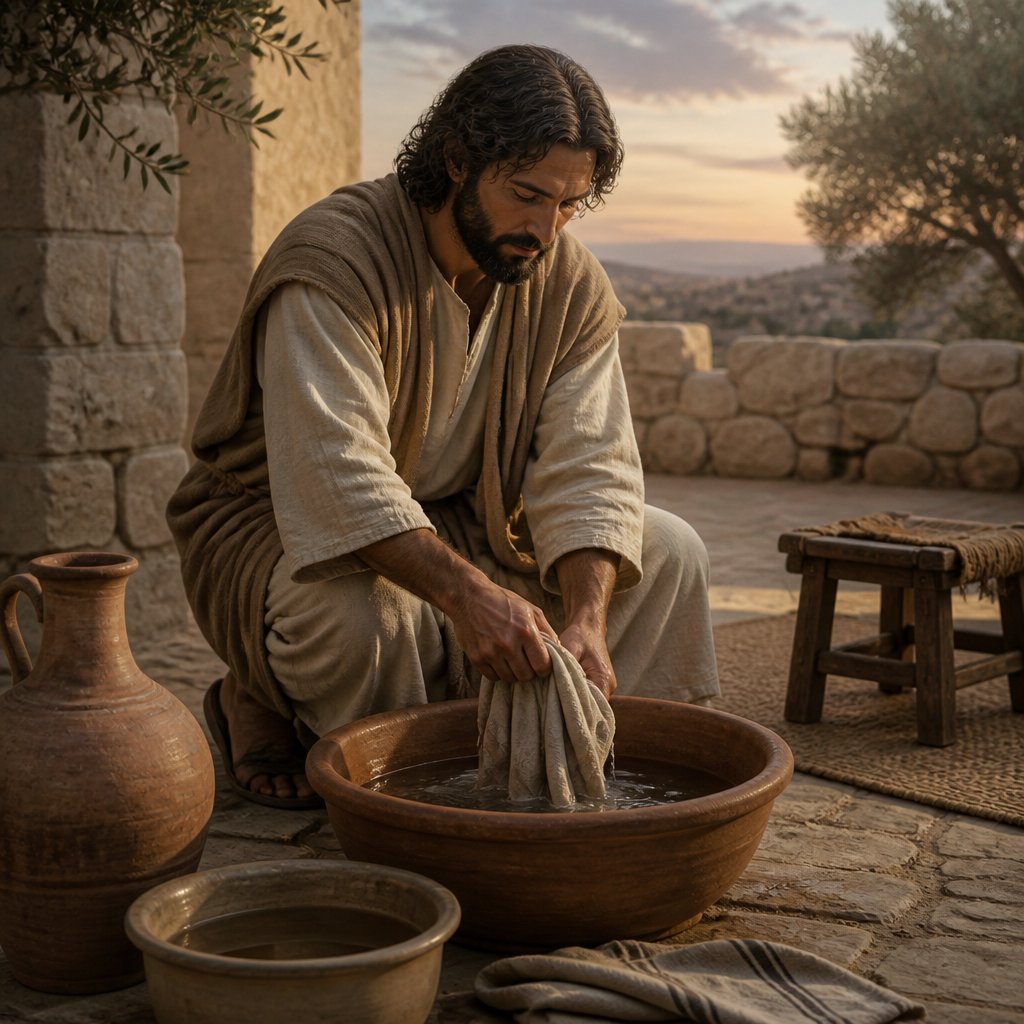
Leviticus 15:22 in the King James Version of the Bible states, "And whosoever toucheth anything that she sat upon shall wash his clothes, and bathe himself in water, and be unclean until the even."
This verse is part of a larger passage in the book of Leviticus that deals with various bodily discharges and their effects on ceremonial purity. In the larger context, this verse specifically addresses the issue of a man coming into contact with something that a woman who is menstruating has sat upon. The theme of the passage is the importance of maintaining ceremonial purity and holiness in the eyes of God.
In the ancient Israelite society, purity and cleanliness were of utmost importance, particularly when it came to religious rituals and practices. The concept of ritual impurity is a recurring theme in the book of Leviticus, as it outlines the various laws and regulations for maintaining purity within the community. This verse, in particular, emphasizes the necessity for individuals to cleanse themselves if they come into contact with something that could potentially make them impure.
The symbolism in this verse lies in the idea of cleanliness and purity being directly linked to one's ability to approach and worship God. Throughout the Old Testament, the Israelites are repeatedly instructed to cleanse themselves and maintain a state of purity in order to be acceptable in the sight of the Lord. This emphasis on cleanliness serves as a metaphor for the spiritual purity that is required in order to have a right relationship with God.
The cultural context of this verse is important to consider as well. In ancient Israelite society, menstruation was often associated with impurity and was considered a natural phenomenon that rendered a woman unclean for a certain period of time. The laws and regulations outlined in Leviticus regarding bodily discharges were meant to maintain order and hygiene within the community, as well as to reinforce the idea of ritual purity before approaching God.
In a broader sense, this verse serves as a reminder of the importance of maintaining purity and holiness in all aspects of life. While the specific regulations outlined in Leviticus may not directly apply to modern-day Christians, the underlying principle of approaching God with a clean heart and a pure conscience remains relevant. The New Testament also emphasizes the importance of spiritual purity, as seen in verses such as James 4:8, which states, "Draw nigh to God, and he will draw nigh to you. Cleanse your hands, ye sinners; and purify your hearts, ye double minded."
Ultimately, Leviticus 15:22 and the larger passage in which it is found serve as a reminder of the importance of purity in the eyes of God. While the specific regulations outlined in the passage may no longer apply in the same way, the underlying principle of approaching God with a pure heart and a clean conscience remains a timeless and universal truth. This verse challenges believers to consider the state of their hearts and to strive for purity in all things, in order to honor and worship God in a manner that is pleasing to Him.
Get our apps


Artwork for Leviticus 15:22

Leviticus 15:22 - "And whosoever toucheth any thing that she sat upon shall wash his clothes, and bathe himself in water, and be unclean until the even."

"And whosoever toucheth any thing that she sat upon shall wash his clothes, and bathe himself in water, and be unclean until the even." - Leviticus 15:22

Leviticus 23:15-22

Leviticus 22:15 - "And they shall not profane the holy things of the children of Israel, which they offer unto the LORD;"

"And they shall not profane the holy things of the children of Israel, which they offer unto the LORD;" - Leviticus 22:15
Leviticus 11:22

Leviticus 23:17-22

Leviticus 22:17 - "¶ And the LORD spake unto Moses, saying,"

Leviticus 7:22 - "¶ And the LORD spake unto Moses, saying,"

Leviticus 22:1 - "And the LORD spake unto Moses, saying,"

Leviticus 22:26 - "¶ And the LORD spake unto Moses, saying,"

Leviticus 18:22 - "Thou shalt not lie with mankind, as with womankind: it is abomination."

Leviticus 11:15 - "Every raven after his kind;"

Leviticus 20:22-26 simple picture

Picture to summarize Leviticus 20:22-26

Leviticus 15:1 - "And the LORD spake unto Moses and to Aaron, saying,"

Leviticus 22:20 - "But whatsoever hath a blemish, that shall ye not offer: for it shall not be acceptable for you."

Leviticus 13:22 - "And if it spread much abroad in the skin, then the priest shall pronounce him unclean: it is a plague."

Leviticus 21:22 - "He shall eat the bread of his God, both of the most holy, and of the holy."

Leviticus 22:33 - "That brought you out of the land of Egypt, to be your God: I am the LORD."

Leviticus 22:29 - "And when ye will offer a sacrifice of thanksgiving unto the LORD, offer it at your own will."

Leviticus 22:22 - "Blind, or broken, or maimed, or having a wen, or scurvy, or scabbed, ye shall not offer these unto the LORD, nor make an offering by fire of them upon the altar unto the LORD."

Leviticus 22:19 - "Ye shall offer at your own will a male without blemish, of the beeves, of the sheep, or of the goats."

Leviticus 22:31 - "Therefore shall ye keep my commandments, and do them: I am the LORD."

Leviticus 22:28 - "And whether it be cow or ewe, ye shall not kill it and her young both in one day."
matt 15:22
matt 15:22

Genesis 22:15

Exodus 15:22

Leviticus 15:15 - "And the priest shall offer them, the one for a sin offering, and the other for a burnt offering; and the priest shall make an atonement for him before the LORD for his issue."