What does Leviticus 16:34 mean?
“And this shall be an everlasting statute unto you, to make an atonement for the children of Israel for all their sins once a year. And he did as the LORD commanded Moses.” — Leviticus 16:34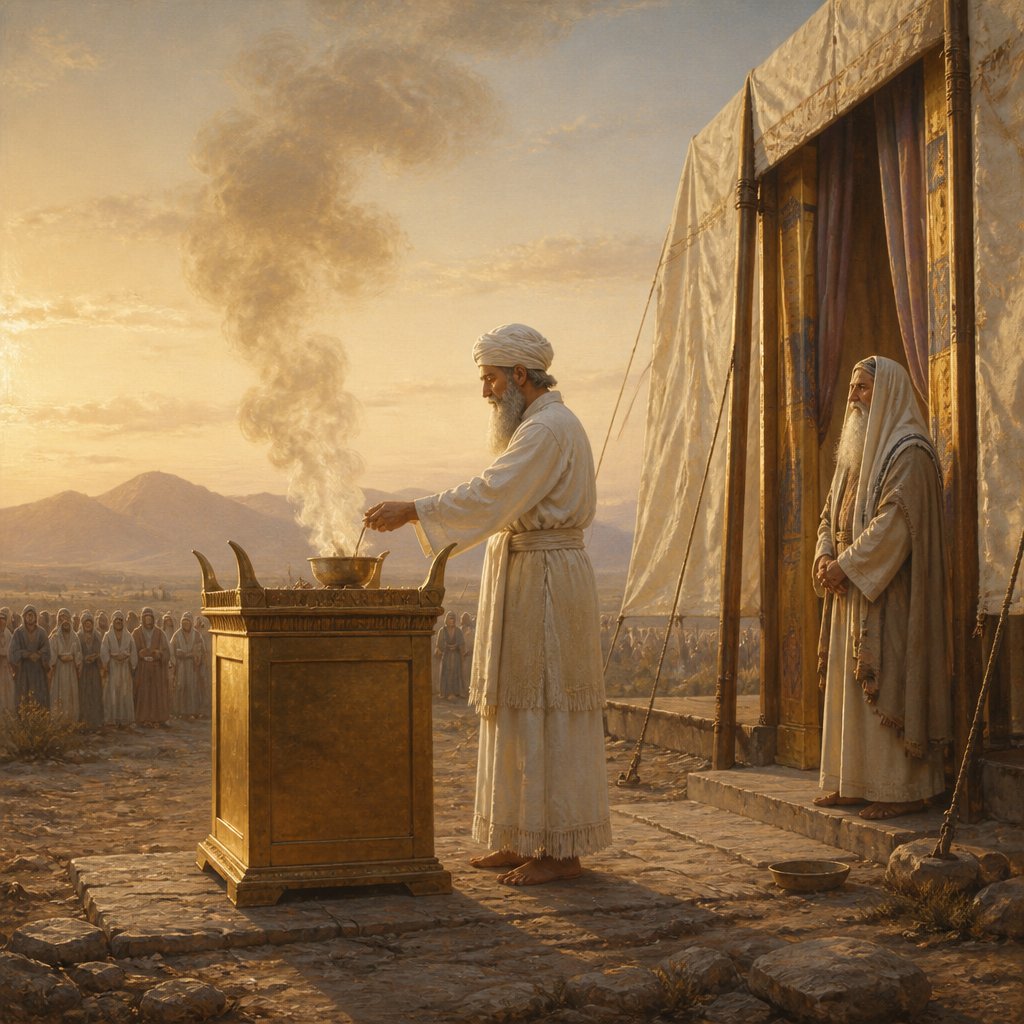
Leviticus 16:34 (KJV) states, "And this shall be an everlasting statute unto you, to make an atonement for the children of Israel for all their sins once a year. And he did as the Lord commanded Moses." This verse comes at the conclusion of a detailed description of the rituals of the Day of Atonement, also known as Yom Kippur. The Day of Atonement was a sacred day in the Jewish calendar, and it was the only day of the year when the high priest could enter the Holy of Holies and make atonement for the sins of the entire nation of Israel.
The verse speaks to the eternal nature of the atonement ritual, emphasizing that it is to be observed as an everlasting statute. The Israelites were commanded to observe this ritual annually, and it was a crucial part of their relationship with God. The ritual of atonement was a solemn and significant event, serving as a means of reconciliation between the Israelites and God. Through the atonement ritual, sins were confessed and forgiven, and the people were cleansed and made pure before God.
The theme of atonement is central to Leviticus 16:34. Atonement means to make amends or reparations for wrongdoing or sin. In the context of this verse, atonement was necessary to restore the relationship between God and His people. It was a reminder of the gravity of sin, the need for forgiveness, and the importance of reconciliation. The ritual of atonement was a symbolic act of purifying the people and renewing their relationship with God.
The Day of Atonement also carries the theme of redemption. The ritual symbolized the redemption of the people from their sins, offering them a fresh start and a restored relationship with God. It served as a reminder of God's mercy and grace, as He provided a way for the people to be reconciled with Him despite their shortcomings. The concept of redemption is a fundamental aspect of the Christian faith, and it finds its roots in the rituals and traditions of the ancient Israelites.
Moreover, Leviticus 16:34 emphasizes the role of obedience in carrying out the atonement ritual. The verse notes that the high priest did as the Lord commanded Moses, underscoring the importance of following God's instructions precisely. Obedience in carrying out the ritual was crucial for its efficacy and significance. It demonstrated the people's commitment to God and their desire for reconciliation and forgiveness.
The symbolism in this verse is profound and multifaceted. The ritual of atonement itself is rich with symbolism, representing the need for forgiveness, purification, and reconciliation. The high priest's entry into the Holy of Holies symbolized the people's access to God and their desire to be in His presence. The scapegoat, which bore the sins of the people and was sent away into the wilderness, symbolized the removal of sin and the clean slate offered by the atonement ritual.
In the broader context of the Bible, Leviticus 16:34 foreshadows the ultimate atonement provided by Jesus Christ. Jesus, as the ultimate high priest, offered Himself as a sacrifice for the sins of the world, providing permanent atonement and reconciliation with God. His sacrifice fulfilled the symbolism and purpose of the atonement rituals of the Old Testament, offering complete forgiveness and redemption for all who believe.
In conclusion, Leviticus 16:34 carries profound meaning and significance in its themes of atonement, redemption, and obedience. It reflects the solemnity and importance of the Day of Atonement in the Jewish tradition and provides a rich foundation for understanding the concept of atonement in the broader context of the Christian faith. The verse serves as a reminder of the need for forgiveness, the significance of redemption, and the centrality of obedience in our relationship with God. Ultimately, it points to the ultimate atonement provided by Jesus Christ, who offers complete and eternal reconciliation with God.
Get our apps


Artwork for Leviticus 16:34

Leviticus 16:34 - "And this shall be an everlasting statute unto you, to make an atonement for the children of Israel for all their sins once a year. And he did as the LORD commanded Moses."
"And this shall be an everlasting statute unto you, to make an atonement for the children of Israel for all their sins once a year. And he did as the LORD commanded Moses." - Leviticus 16:34

Leviticus 25:34 - "But the field of the suburbs of their cities may not be sold; for it is their perpetual possession."

Leviticus 27:34 - "These are the commandments, which the LORD commanded Moses for the children of Israel in mount Sinai."

Leviticus 8:34 - "As he hath done this day, so the LORD hath commanded to do, to make an atonement for you."

Numbers 34:16 - "And the LORD spake unto Moses, saying,"

Leviticus 16:8

leviticus 16:7-10
"But the field of the suburbs of their cities may not be sold; for it is their perpetual possession." - Leviticus 25:34

Leviticus 23:34 - "Speak unto the children of Israel, saying, The fifteenth day of this seventh month shall be the feast of tabernacles for seven days unto the LORD."

Leviticus 21:16 - "¶ And the LORD spake unto Moses, saying,"

Job 34:16 - "If now thou hast understanding, hear this: hearken to the voice of my words."

Leviticus 14:34 - "When ye be come into the land of Canaan, which I give to you for a possession, and I put the plague of leprosy in a house of the land of your possession;"

Leviticus 11:34 - "Of all meat which may be eaten, that on which such water cometh shall be unclean: and all drink that may be drunk in every such vessel shall be unclean."

Leviticus 26:34 - "Then shall the land enjoy her sabbaths, as long as it lieth desolate, and ye be in your enemies' land; even then shall the land rest, and enjoy her sabbaths."

Leviticus 9:16 - "And he brought the burnt offering, and offered it according to the manner."

Exodus 16:34 - "As the LORD commanded Moses, so Aaron laid it up before the Testimony, to be kept."

1 Chronicles 16:34 - "O give thanks unto the LORD; for he is good; for his mercy endureth for ever."

Leviticus 4:16 - "And the priest that is anointed shall bring of the bullock's blood to the tabernacle of the congregation:"

Leviticus 11:16 - "And the owl, and the night hawk, and the cuckow, and the hawk after his kind,"

Leviticus 16:25 - "And the fat of the sin offering shall he burn upon the altar."

"These are the commandments, which the LORD commanded Moses for the children of Israel in mount Sinai." - Leviticus 27:34
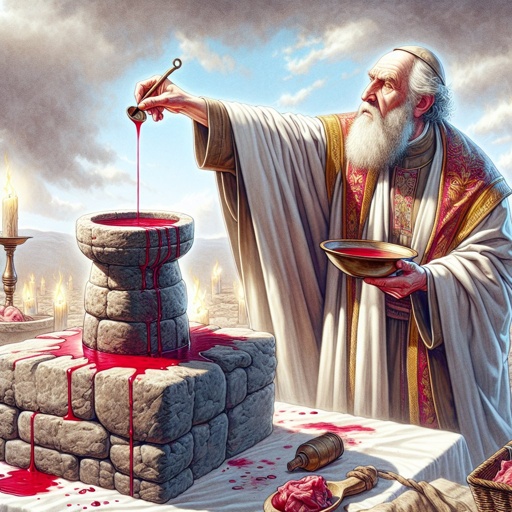
Leviticus 4:34 - "And the priest shall take of the blood of the sin offering with his finger, and put it upon the horns of the altar of burnt offering, and shall pour out all the blood thereof at the bottom of the altar:"

Leviticus 18:16 - "Thou shalt not uncover the nakedness of thy brother's wife: it is thy brother's nakedness."

Psalms 34:16 - "The face of the LORD is against them that do evil, to cut off the remembrance of them from the earth."

"And the LORD spake unto Moses, saying," - Numbers 34:16

Leviticus 19:34 - "But the stranger that dwelleth with you shall be unto you as one born among you, and thou shalt love him as thyself; for ye were strangers in the land of Egypt: I am the LORD your God."

Leviticus 16:31 - "It shall be a sabbath of rest unto you, and ye shall afflict your souls, by a statute for ever."

Leviticus 13:16 - "Or if the raw flesh turn again, and be changed unto white, he shall come unto the priest;"

Leviticus 17:16 - "But if he wash them not, nor bathe his flesh; then he shall bear his iniquity."