What does Leviticus 16:7 mean?
“And he shall take the two goats, and present them before the LORD at the door of the tabernacle of the congregation.” — Leviticus 16:7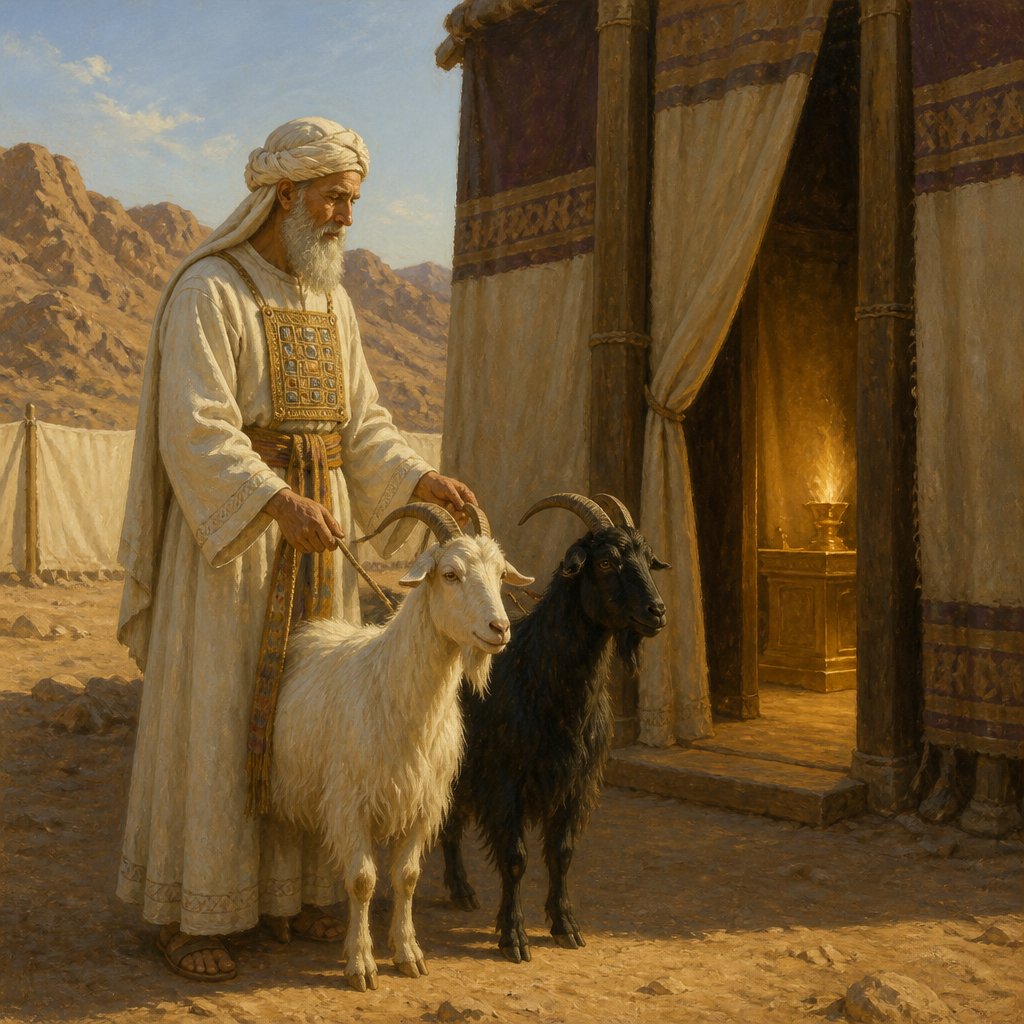
Leviticus 16:7 (KJV): "And he shall take the two goats, and present them before the Lord at the door of the tabernacle of the congregation."
Leviticus 16:7 is a verse from the Old Testament that is part of the description of the Day of Atonement, also known as Yom Kippur, in the Hebrew Bible. This chapter outlines the specific rituals and ceremonies that were to be carried out by the high priest to purify the people of Israel from their sins. The verse describes the high priest taking two goats and presenting them before the Lord at the entrance of the tabernacle.
The Day of Atonement was the most important day in the Hebrew calendar, and it was the day when the sins of the people were confessed and atoned for. The rituals described in Leviticus 16 were designed to cleanse the people of their sins and restore their relationship with God. The use of the two goats in this verse is particularly significant and carries deep symbolism.
One of the goats was chosen by lot to be sacrificed as a sin offering, while the other goat, known as the scapegoat, was presented alive before the Lord. The high priest would lay his hands on the head of the live goat and confess over it all the sins of the people of Israel. The scapegoat would then be sent away into the wilderness, symbolically carrying the sins of the people with it.
The use of the two goats in this ritual carries profound symbolism. The goat that was sacrificed represents the atonement for sin through the shedding of blood, foreshadowing the ultimate sacrifice of Jesus Christ on the cross. The scapegoat, on the other hand, represents the removal and separation of sin from the people, as it was sent away into the wilderness. This imagery of atonement and removal of sin is a powerful foreshadowing of the work of Christ, who not only atoned for sin through his sacrificial death but also removed the burden of sin from humanity.
Furthermore, the act of presenting the two goats before the Lord at the entrance of the tabernacle carries symbolic significance. The tabernacle was the dwelling place of God among the people of Israel, and it was the central place of worship and sacrifice. The act of presenting the goats before the Lord at the entrance of the tabernacle symbolizes the people bringing their sins before God and seeking his forgiveness and cleansing. It also emphasizes the centrality of God in the process of atonement and the need for the people to approach him with humility and repentance.
In a broader context, Leviticus 16:7 is a reminder of the seriousness of sin and the need for atonement and reconciliation with God. It demonstrates the lengths to which God was willing to go to provide a way for the people to be forgiven and restored. Additionally, the rituals described in this chapter served as a foreshadowing of the ultimate atonement and redemption that would be brought about by Jesus Christ.
In conclusion, Leviticus 16:7 is a verse that holds deep symbolism and significance within the context of the Day of Atonement. The use of the two goats, the presentation before the Lord at the tabernacle, and the themes of atonement and removal of sin all point to the profound spiritual truths that are ultimately fulfilled in the person and work of Jesus Christ. This verse serves as a powerful reminder of the need for reconciliation and forgiveness, and the lengths to which God was willing to go to provide a way for sin to be atoned for and removed.
Get our apps


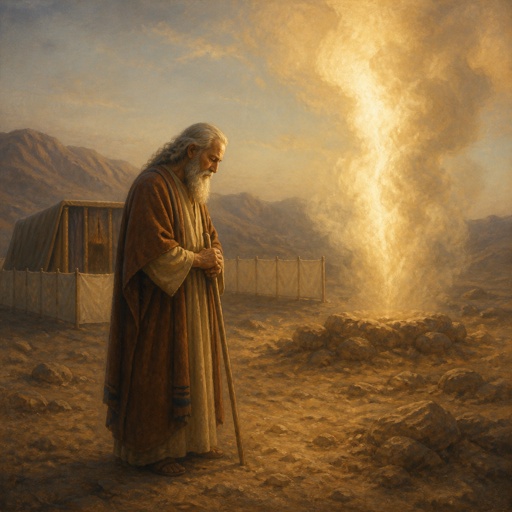
Artwork for Leviticus 16:7

leviticus 16:7-10

Leviticus 16:7 - "And he shall take the two goats, and present them before the LORD at the door of the tabernacle of the congregation."
"And he shall take the two goats, and present them before the LORD at the door of the tabernacle of the congregation." - Leviticus 16:7
Leviticus 7:16 - "But if the sacrifice of his offering be a vow, or a voluntary offering, it shall be eaten the same day that he offereth his sacrifice: and on the morrow also the remainder of it shall be eaten:"

Leviticus 16:8

Leviticus 17:7

Leviticus 21:16 - "¶ And the LORD spake unto Moses, saying,"

Leviticus 9:16 - "And he brought the burnt offering, and offered it according to the manner."

Leviticus 4:16 - "And the priest that is anointed shall bring of the bullock's blood to the tabernacle of the congregation:"

Leviticus 11:16 - "And the owl, and the night hawk, and the cuckow, and the hawk after his kind,"

Leviticus 16:25 - "And the fat of the sin offering shall he burn upon the altar."

Leviticus 7:22 - "¶ And the LORD spake unto Moses, saying,"

Leviticus 7:28 - "¶ And the LORD spake unto Moses, saying,"

Leviticus 18:16 - "Thou shalt not uncover the nakedness of thy brother's wife: it is thy brother's nakedness."

Leviticus 7:1 - "Likewise this is the law of the trespass offering: it is most holy."

Leviticus 7:7 - "As the sin offering is, so is the trespass offering: there is one law for them: the priest that maketh atonement therewith shall have it."

Leviticus 19:7 - "And if it be eaten at all on the third day, it is abominable; it shall not be accepted."

Leviticus 7:17 - "But the remainder of the flesh of the sacrifice on the third day shall be burnt with fire."
"But if the sacrifice of his offering be a vow, or a voluntary offering, it shall be eaten the same day that he offereth his sacrifice: and on the morrow also the remainder of it shall be eaten:" - Leviticus 7:16

Leviticus 16:31 - "It shall be a sabbath of rest unto you, and ye shall afflict your souls, by a statute for ever."

Leviticus 13:16 - "Or if the raw flesh turn again, and be changed unto white, he shall come unto the priest;"

Leviticus 17:16 - "But if he wash them not, nor bathe his flesh; then he shall bear his iniquity."
"¶ And the LORD spake unto Moses, saying," - Leviticus 21:16

Leviticus 16:9 - "And Aaron shall bring the goat upon which the LORD'S lot fell, and offer him for a sin offering."

Leviticus 16:3 - "Thus shall Aaron come into the holy place: with a young bullock for a sin offering, and a ram for a burnt offering."

Leviticus 16:8 - "And Aaron shall cast lots upon the two goats; one lot for the LORD, and the other lot for the scapegoat."

Leviticus 3:7 - "If he offer a lamb for his offering, then shall he offer it before the LORD."

Leviticus 7:3 - "And he shall offer of it all the fat thereof; the rump, and the fat that covereth the inwards,"

Leviticus 26:7 - "And ye shall chase your enemies, and they shall fall before you by the sword."

Leviticus 7:11 - "And this is the law of the sacrifice of peace offerings, which he shall offer unto the LORD."