What does Leviticus 16:21 mean?
“And Aaron shall lay both his hands upon the head of the live goat, and confess over him all the iniquities of the children of Israel, and all their transgressions in all their sins, putting them upon the head of the goat, and shall send him away by the hand of a fit man into the wilderness:” — Leviticus 16:21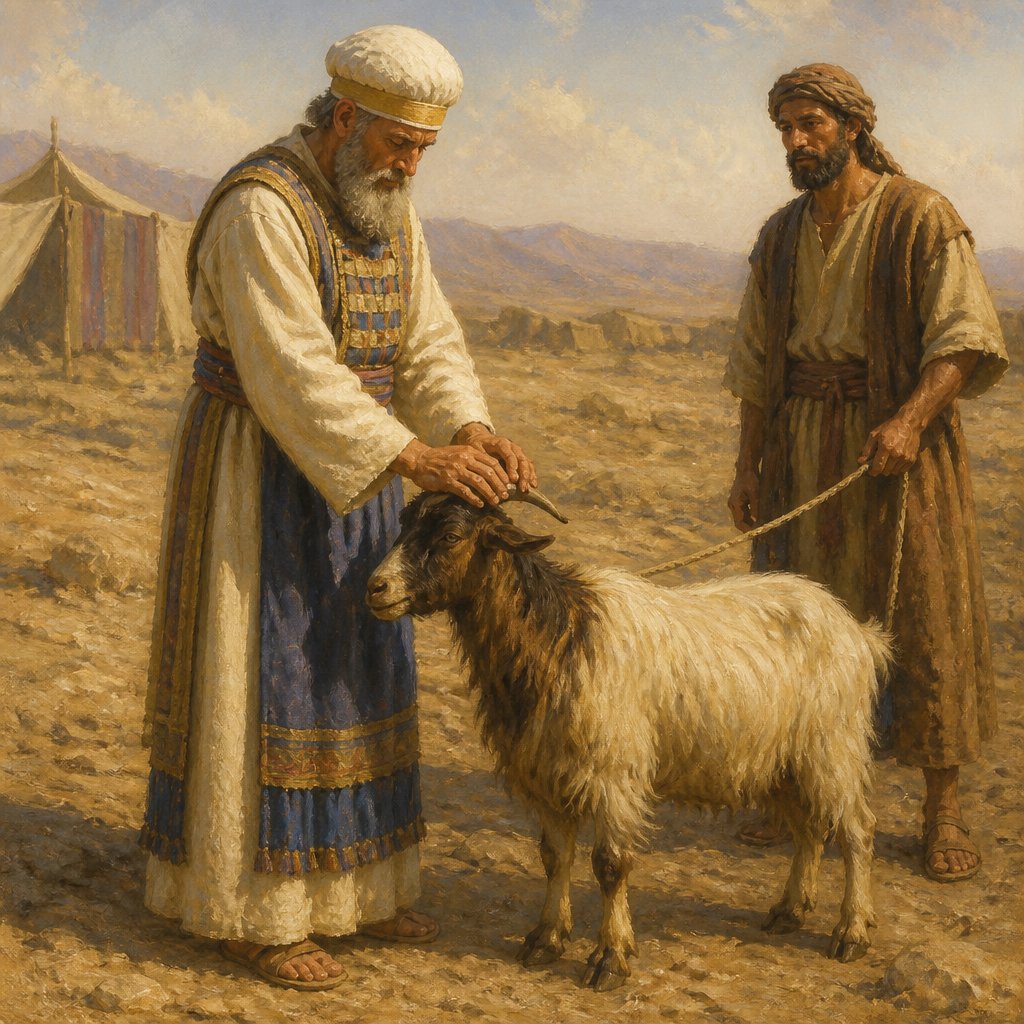
Leviticus 16:21 (KJV): "And Aaron shall lay both his hands upon the head of the live goat, and confess over him all the iniquities of the children of Israel, and all their transgressions in all their sins, putting them upon the head of the goat, and shall send him away by the hand of a fit man into the wilderness."
The book of Leviticus is the third book of the Hebrew Bible and the Old Testament, and it primarily deals with the laws and rituals of the Israelites. Leviticus 16 is known as the Day of Atonement, or Yom Kippur in Hebrew, which is the holiest day of the Jewish calendar. This verse describes a crucial part of the Day of Atonement ritual, where the high priest, Aaron, confesses the sins of the Israelites over a live goat before sending it away into the wilderness.
In this verse, there are several important themes and elements to consider, including atonement, sacrifice, and symbolism. The Day of Atonement was a day of national repentance and reconciliation with God, and the ritual with the two goats symbolized the cleansing of the Israelites' sins.
Firstly, the act of laying hands on the live goat and confessing the sins of the people symbolizes the transfer of the sins from the people to the goat. This act signifies the people's acknowledgement and repentance of their sins, and the high priest acts as a mediator between the people and God. By confessing the sins over the goat, the Israelites seek forgiveness and atonement for their transgressions.
The concept of sacrifice is also significant in this verse. The live goat, also known as the scapegoat, carries the burden of the sins of the people and is sent away into the wilderness. This act of sending the goat away symbolizes the removal of the sins from the community, as the goat bears the consequences of the people's wrongdoing. The sacrifice of the goat demonstrates the seriousness of sin and the need for atonement to restore the relationship between the people and God.
Furthermore, the ritual with the goats reflects the mercy and grace of God. Despite the sins of the people, God provides a way for their sins to be forgiven and removed. The scapegoat represents the mercy of God in taking away the sins of the people, allowing them to be reconciled with Him. This act demonstrates God's willingness to forgive and cleanse the people, showing His compassion and love for His chosen people.
In the broader context of the Bible, the ritual of the Day of Atonement and the symbolism of the scapegoat foreshadow the ultimate atonement provided by Jesus Christ. The New Testament makes references to this ritual, particularly in the book of Hebrews, where Jesus is depicted as the ultimate High Priest who offers Himself as a sacrifice for the sins of humanity. The imagery of the scapegoat being sent away into the wilderness parallels Jesus taking upon Himself the sins of the world and making atonement for all.
In conclusion, Leviticus 16:21 from the King James Version carries important themes of atonement, sacrifice, and symbolism. The ritual of the Day of Atonement with the two goats serves as a powerful representation of the people's repentance, the removal of their sins, and the mercy and grace of God. This verse also holds significance in the broader context of the Bible, as it points to the ultimate atonement provided by Jesus Christ. It reminds believers of the need for repentance, the seriousness of sin, and the assurance of forgiveness and reconciliation with God through the atoning work of Jesus.
Get our apps


Artwork for Leviticus 16:21

Leviticus 16:21 - "And Aaron shall lay both his hands upon the head of the live goat, and confess over him all the iniquities of the children of Israel, and all their transgressions in all their sins, putting them upon the head of the goat, and shall send him away by the hand of a fit man into the wilderness:"
"And Aaron shall lay both his hands upon the head of the live goat, and confess over him all the iniquities of the children of Israel, and all their transgressions in all their sins, putting them upon the head of the goat, and shall send him away by the hand of a fit man into the wilderness:" - Leviticus 16:21

Leviticus 21:16 - "¶ And the LORD spake unto Moses, saying,"
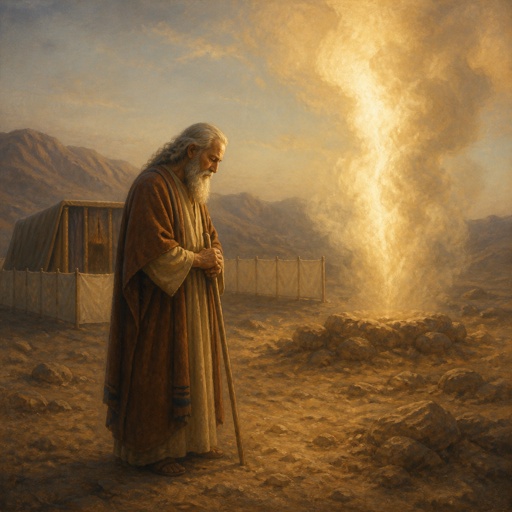
"¶ And the LORD spake unto Moses, saying," - Leviticus 21:16

Leviticus 23:21

Leviticus 23:21

Leviticus 23:21

Leviticus 23:21

Leviticus 23:21

Leviticus 23:21

Leviticus 21:19 - "Or a man that is brokenfooted, or brokenhanded,"

Leviticus 16:8

leviticus 16:7-10

Leviticus 21:13 - "And he shall take a wife in her virginity."

"Or a man that is brokenfooted, or brokenhanded," - Leviticus 21:19

Leviticus 9:16 - "And he brought the burnt offering, and offered it according to the manner."

Leviticus 21:22 - "He shall eat the bread of his God, both of the most holy, and of the holy."

Leviticus 21:24 - "And Moses told it unto Aaron, and to his sons, and unto all the children of Israel."

Leviticus 4:16 - "And the priest that is anointed shall bring of the bullock's blood to the tabernacle of the congregation:"

Leviticus 11:16 - "And the owl, and the night hawk, and the cuckow, and the hawk after his kind,"

Leviticus 16:25 - "And the fat of the sin offering shall he burn upon the altar."

Leviticus 9:21 - "And the breasts and the right shoulder Aaron waved for a wave offering before the LORD; as Moses commanded."

Genesis 21-16

Leviticus 18:16 - "Thou shalt not uncover the nakedness of thy brother's wife: it is thy brother's nakedness."

Leviticus 21:4 - "But he shall not defile himself, being a chief man among his people, to profane himself."

Leviticus 21:20 - "Or crookbackt, or a dwarf, or that hath a blemish in his eye, or be scurvy, or scabbed, or hath his stones broken;"

Leviticus 24:21 - "And he that killeth a beast, he shall restore it: and he that killeth a man, he shall be put to death."

Leviticus 21:21 - "No man that hath a blemish of the seed of Aaron the priest shall come nigh to offer the offerings of the LORD made by fire: he hath a blemish; he shall not come nigh to offer the bread of his God."

Leviticus 25:21 - "Then I will command my blessing upon you in the sixth year, and it shall bring forth fruit for three years."

Leviticus 21:15 - "Neither shall he profane his seed among his people: for I the LORD do sanctify him."