What does Leviticus 20:11 mean?
“And the man that lieth with his father’s wife hath uncovered his father’s nakedness: both of them shall surely be put to death; their blood shall be upon them.” — Leviticus 20:11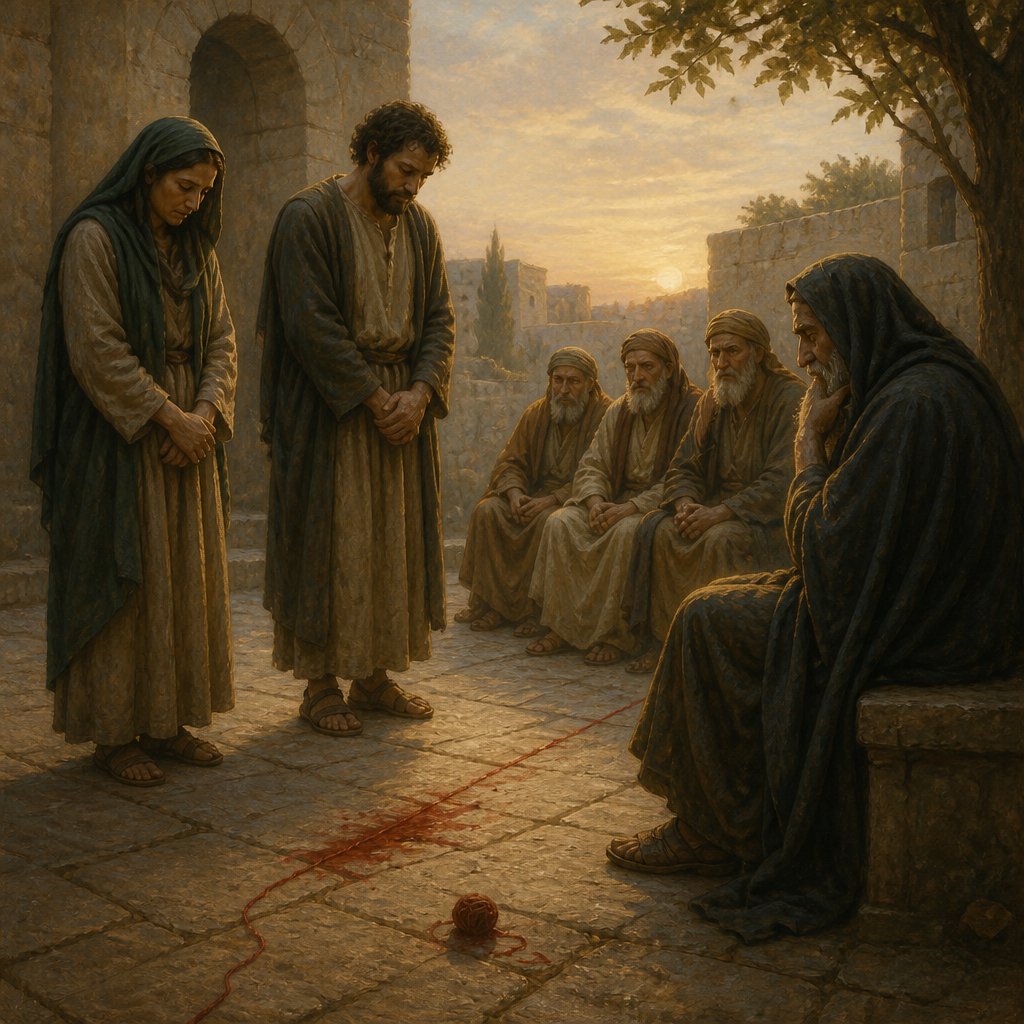
Leviticus 20:11 in the King James Version reads: "And the man that lieth with his father's wife hath uncovered his father's nakedness: both of them shall surely be put to death; their blood shall be upon them."
This verse comes from the book of Leviticus, which is the third book of the Hebrew Bible and the Old Testament. It is a part of the laws and regulations given to the Israelites by God through Moses. The verse deals with the act of incest, specifically a man lying with his father's wife, which is considered a grave sin in the eyes of God.
The theme of this verse is the seriousness of sexual sin within the family structure. In the Hebrew culture, the family unit was of utmost importance, and the violation of its sanctity was seen as a direct affront to God. This verse serves as a strong warning to the Israelites about the consequences of such sinful behavior. The penalty for committing incest, as stated in the verse, is death for both the man and the woman involved.
The context of this verse is important to understand its full implications. In the preceding verses of Leviticus 20, God outlines various sexual sins and their penalties. These include adultery, homosexuality, bestiality, and other forbidden sexual relations. The severity of these laws reflects the emphasis on purity and holiness within the Israelite community.
The symbolism in this verse is powerful and multifaceted. Firstly, it symbolizes the sacredness of the family unit and the need for maintaining its integrity. God designed the family to be a place of love, support, and nurturing, and any form of sexual immorality within it disrupts this design. Additionally, the act of uncovering one's father's nakedness metaphorically signifies a breach of trust and a violation of boundaries within the family.
Furthermore, the punishment of death for the offenders symbolizes God's absolute holiness and intolerance for sin. This reflects the concept of divine justice and the need for atonement for sin. In the New Testament, the apostle Paul writes in Romans 6:23 that "the wages of sin is death," highlighting the seriousness of sin in the eyes of God.
It is important to note that the laws and regulations in the book of Leviticus were specifically given to the Israelites as a part of their covenant with God. While the principles of purity and holiness are universal, the specific penalties outlined in Leviticus were part of the Old Covenant and were fulfilled in the person of Jesus Christ in the New Testament.
In the New Testament, Jesus taught about the importance of righteousness and purity of heart. In Matthew 5:27-28, he says, "Ye have heard that it was said by them of old time, Thou shalt not commit adultery: But I say unto you, That whosoever looketh on a woman to lust after her hath committed adultery with her already in his heart." This shows that God is concerned not only with external actions but also with the intentions of the heart.
In conclusion, Leviticus 20:11 carries a powerful message about the sanctity of the family, the seriousness of sexual sin, and the necessity of living in holiness before God. The verse serves as a reminder of God's standard of purity and the consequences of violating it. Ultimately, it points to the need for repentance, forgiveness, and the redemptive work of Jesus Christ, who came to fulfill the law and provide a way for humanity to be reconciled with God.
Get our apps


Artwork for Leviticus 20:11

Leviticus 20:11 - "And the man that lieth with his father's wife hath uncovered his father's nakedness: both of them shall surely be put to death; their blood shall be upon them."
"And the man that lieth with his father's wife hath uncovered his father's nakedness: both of them shall surely be put to death; their blood shall be upon them." - Leviticus 20:11

Leviticus 11:20 - "All fowls that creep, going upon all four, shall be an abomination unto you."

Acts 20:11
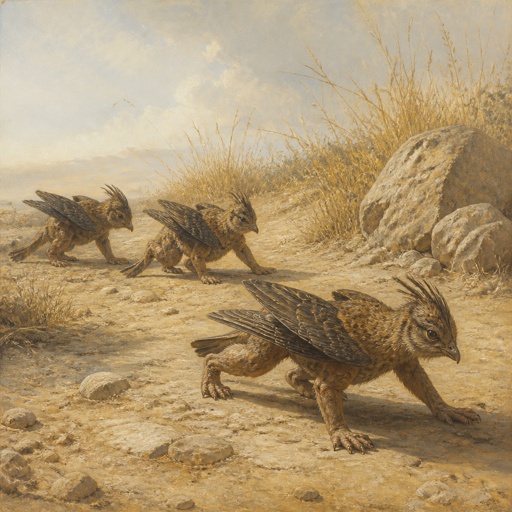
"All fowls that creep, going upon all four, shall be an abomination unto you." - Leviticus 11:20

Leviticus 23:20

Leviticus 24:20-23
Leviticus 11:22

Leviticus 20:1 - "And the LORD spake unto Moses, saying,"

Leviticus 10:20 - "And when Moses heard that, he was content."
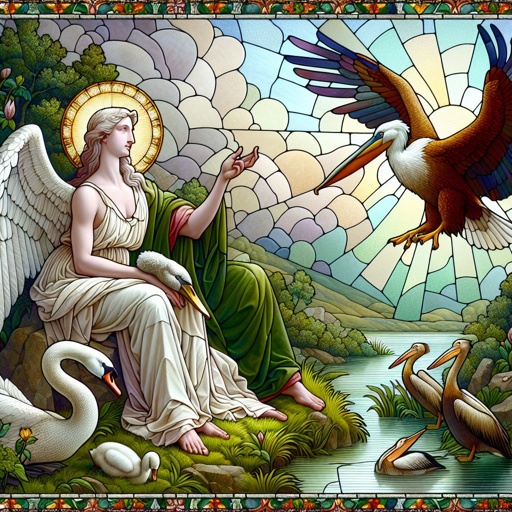
Leviticus 11:18 - "And the swan, and the pelican, and the gier eagle,"

Leviticus 20:22-26 simple picture

Picture to summarize Leviticus 20:22-26
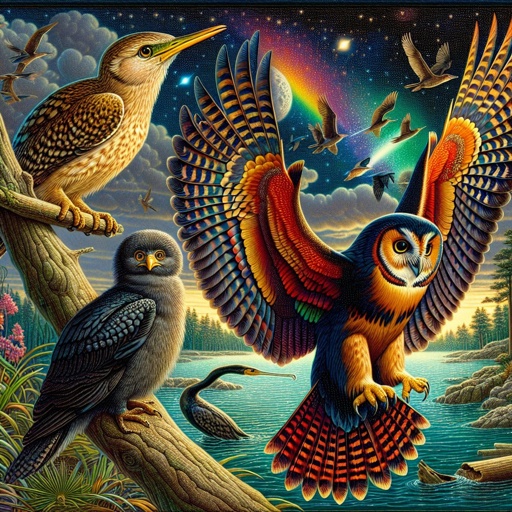
Leviticus 11:17 - "And the little owl, and the cormorant, and the great owl,"

Leviticus 11:14 - "And the vulture, and the kite after his kind;"

Leviticus 11:15 - "Every raven after his kind;"

Leviticus 20:20 - "And if a man shall lie with his uncle's wife, he hath uncovered his uncle's nakedness: they shall bear their sin; they shall die childless."

Leviticus 11:30 - "And the ferret, and the chameleon, and the lizard, and the snail, and the mole."

Leviticus 9:20 - "And they put the fat upon the breasts, and he burnt the fat upon the altar:"

Leviticus 8:20 - "And he cut the ram into pieces; and Moses burnt the head, and the pieces, and the fat."

Leviticus 22:20 - "But whatsoever hath a blemish, that shall ye not offer: for it shall not be acceptable for you."

Leviticus 11:19 - "And the stork, the heron after her kind, and the lapwing, and the bat."

Leviticus 20:7 - "¶ Sanctify yourselves therefore, and be ye holy: for I am the LORD your God."

Leviticus 9:11 - "And the flesh and the hide he burnt with fire without the camp."

Leviticus 18:20 - "Moreover thou shalt not lie carnally with thy neighbour's wife, to defile thyself with her."

Leviticus 21:20 - "Or crookbackt, or a dwarf, or that hath a blemish in his eye, or be scurvy, or scabbed, or hath his stones broken;"

"And the LORD spake unto Moses, saying," - Leviticus 20:1
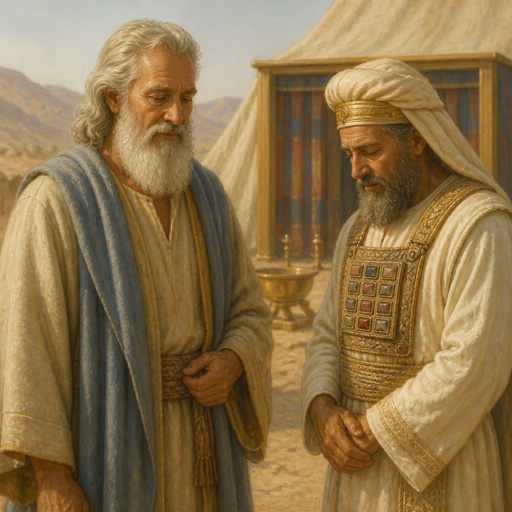
"And when Moses heard that, he was content." - Leviticus 10:20

Leviticus 11:1 - "And the LORD spake unto Moses and to Aaron, saying unto them,"

Leviticus 11:16 - "And the owl, and the night hawk, and the cuckow, and the hawk after his kind,"