What does Leviticus 21:13 mean?
“And he shall take a wife in her virginity.” — Leviticus 21:13
Leviticus 21:13 in the King James Version of the Bible states, "And he shall take a wife in her virginity." This verse is part of a larger passage in Leviticus that sets out the standards of purity and holiness for the priests of Israel. The specific verse emphasizes the importance of the high priest taking a wife who is a virgin.
In order to fully understand the significance of this verse, it is important to consider its context within the larger narrative of Leviticus. The book of Leviticus is the third book of the Hebrew Bible and is primarily concerned with matters of ritual purity and holiness. The first 10 chapters outline the various types of offerings and sacrifices that are to be made in order to atone for sin and appease God. Chapters 11-15 deal with the laws of ritual purity and cleanliness, particularly in regard to dietary restrictions and bodily discharges.
Chapters 17-26 address additional laws and regulations, including the rules for the priesthood. The priests were set apart as mediators between God and the people of Israel, and as such, they were held to a higher standard of holiness and purity. Chapter 21 focuses specifically on the laws governing the eligibility and conduct of the priests.
Within this chapter, the verse in question serves as a directive for the high priest to marry a woman who has never been involved in sexual relations. This requirement is a reflection of the broader themes of purity and holiness that permeate the entire book of Leviticus. By marrying a virgin, the high priest ensures that his household and his descendants will be free from any potential contamination or impurity that could compromise their sacred duties.
The emphasis on the virginity of the high priest's wife also reflects deeper symbolic and theological themes within the Hebrew Bible. In the Old Testament, marriage is often used as a metaphor for the covenant relationship between God and his chosen people. The purity and faithfulness of the high priest's wife serve as a symbol of the faithfulness and devotion that God expects from his people. This verse may also be interpreted as a reflection of the importance of maintaining personal integrity and moral purity in all aspects of life, particularly for those in positions of leadership and authority.
It is important to note that this verse is reflective of the cultural and religious context of the ancient Israelite society in which it was written. The concept of virginity was highly valued in the ancient Near East, and the sexual purity of a woman was often seen as a reflection of her family's honor and reputation. In this cultural milieu, the requirement for the high priest to marry a virgin would have been seen as a natural expression of the desire to maintain purity and honor within the priesthood.
From a contemporary perspective, this verse may present challenges in interpretation and application. The emphasis on a woman's virginity as a prerequisite for marriage may be viewed as antiquated and patriarchal, particularly in light of contemporary understandings of gender equality and sexual ethics. It is important for modern readers to approach this verse with sensitivity and an awareness of the cultural and historical context in which it was written.
In conclusion, Leviticus 21:13 occupies a significant place within the larger framework of the book of Leviticus, reflecting the broader themes of purity, holiness, and moral integrity that are central to the religious and ethical teachings of the Hebrew Bible. While its specific requirements may present challenges in contemporary interpretation, the verse serves as a reminder of the importance of personal and communal purity and faithfulness in the service of God.
Get our apps


Artwork for Leviticus 21:13

Leviticus 21:13 - "And he shall take a wife in her virginity."

"And he shall take a wife in her virginity." - Leviticus 21:13

Habakkuk 2:1-3

Leviticus 13:21 - "But if the priest look on it, and, behold, there be no white hairs therein, and if it be not lower than the skin, but be somewhat dark; then the priest shall shut him up seven days:"

Leviticus 23:21

Leviticus 23:21

Leviticus 23:21

Leviticus 23:21

Leviticus 23:21

Leviticus 23:21

Leviticus 21:19 - "Or a man that is brokenfooted, or brokenhanded,"

Leviticus 21:16 - "¶ And the LORD spake unto Moses, saying,"

"Or a man that is brokenfooted, or brokenhanded," - Leviticus 21:19

Leviticus 24:13 - "And the LORD spake unto Moses, saying,"

"But if the priest look on it, and, behold, there be no white hairs therein, and if it be not lower than the skin, but be somewhat dark; then the priest shall shut him up seven days:" - Leviticus 13:21

Leviticus 13:1 - "And the LORD spake unto Moses and Aaron, saying,"

Leviticus 21:22 - "He shall eat the bread of his God, both of the most holy, and of the holy."

Leviticus 21:24 - "And Moses told it unto Aaron, and to his sons, and unto all the children of Israel."

Leviticus 13:35 - "But if the scall spread much in the skin after his cleansing;"

Luke 13:20-21

Luke 13:20-21
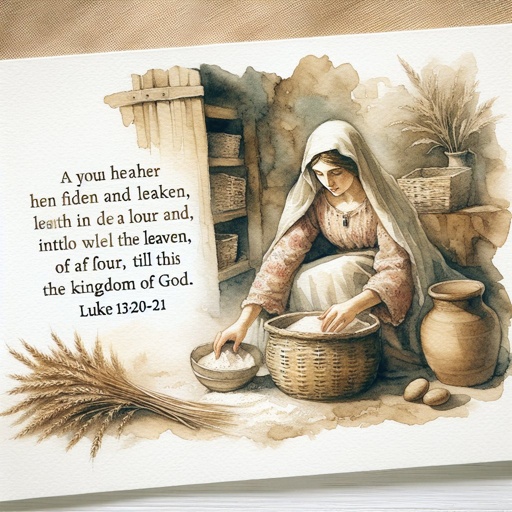
Luke 13:20-21

Leviticus 13:29 - "¶ If a man or woman have a plague upon the head or the beard;"

Leviticus 9:21 - "And the breasts and the right shoulder Aaron waved for a wave offering before the LORD; as Moses commanded."

Leviticus 13:18 - "¶ The flesh also, in which, even in the skin thereof, was a boil, and is healed,"

Luke 13:20-21

Luke 13:20-21

Leviticus 13:14 - "But when raw flesh appeareth in him, he shall be unclean."

Leviticus 21:4 - "But he shall not defile himself, being a chief man among his people, to profane himself."

Leviticus 21:20 - "Or crookbackt, or a dwarf, or that hath a blemish in his eye, or be scurvy, or scabbed, or hath his stones broken;"