What does Leviticus 21:14 mean?
“A widow, or a divorced woman, or profane, or an harlot, these shall he not take: but he shall take a virgin of his own people to wife.” — Leviticus 21:14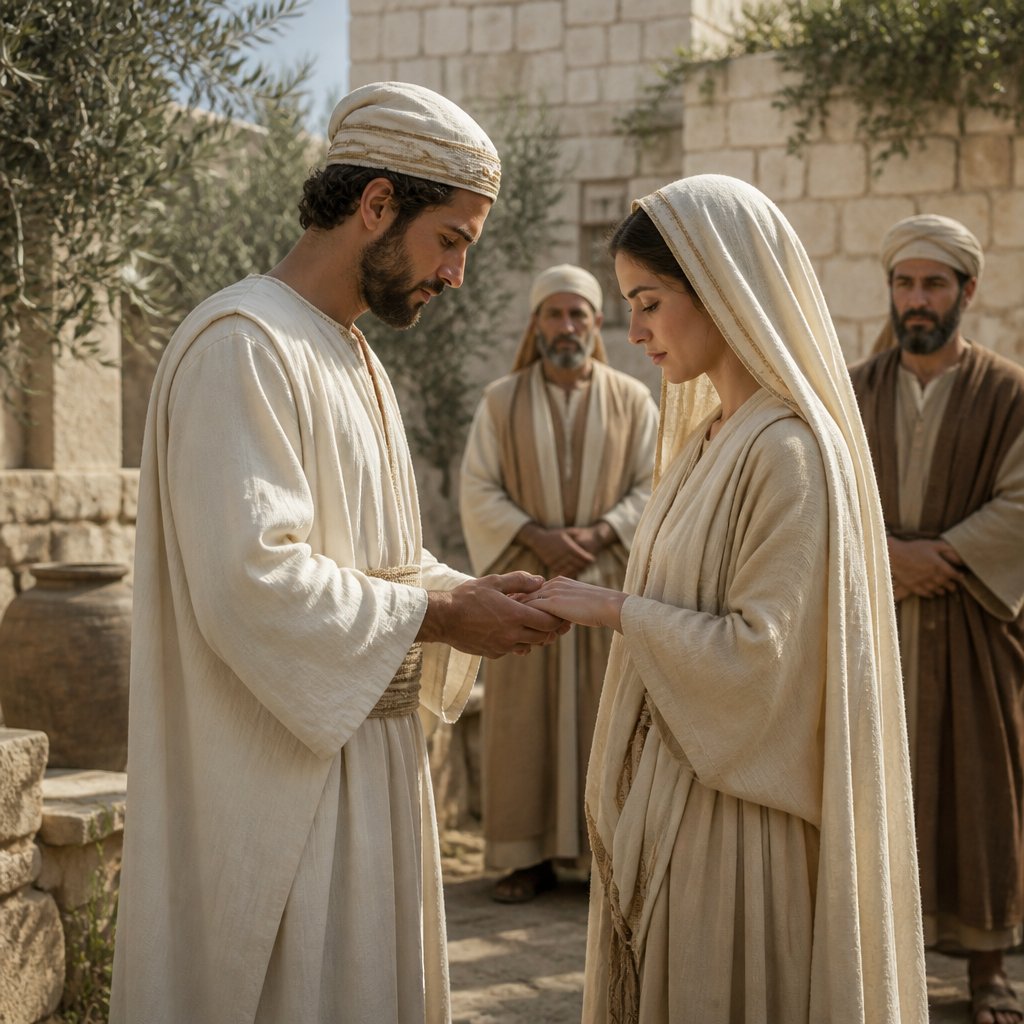
Leviticus 21:14 in the King James Version of the Bible states, "A widow, or a divorced woman, or profane, or an harlot, these shall he not take: but he shall take a virgin of his own people to wife."
This verse is part of the laws outlined in the book of Leviticus, specifically focusing on the priestly regulations and standards for the Levites and the high priest. Leviticus is a book of the Old Testament that deals primarily with the practices and rituals of the Israelites, as well as their moral and ethical conduct. In this particular verse, the focus is on the eligibility of the high priest to marry and the moral implications of his choice of a spouse.
The verse prohibits the high priest from marrying a widow, a divorced woman, a profane woman, or a harlot. Instead, he is instructed to take a virgin from his own people as his wife. This regulation reflects the importance of purity and holiness within the priestly line and the need for the high priest's wife to uphold the same moral and spiritual standards.
One of the key themes in this verse is the concept of purity and holiness. The high priest is held to a high standard of moral conduct and is expected to maintain a level of purity in every aspect of his life, including his choice of a spouse. This mirrors the broader theme in Leviticus of the Israelites being a holy people set apart by God, and the need for them to uphold moral and ethical standards that reflect their status as God's chosen people.
The verse also reflects the value placed on virginity and the sanctity of marriage within the Israelite community. The emphasis on marrying a virgin from his own people underscores the importance of maintaining the purity of the priestly line and ensuring that the lineage of the high priest remains untainted.
Moreover, the verse also highlights the importance of the high priest's leadership and influence within the community. As a prominent figure in the religious and social life of the Israelites, the high priest's actions and choices were meant to set an example for others to follow. By adhering to the regulations outlined in this verse, the high priest was not only upholding his own moral integrity but also demonstrating to the community the importance of purity and holiness in all aspects of life.
The context of this verse is crucial in understanding its significance within the broader framework of the book of Leviticus and the Old Testament as a whole. The regulations outlined in Leviticus were designed to set the Israelites apart as a holy nation and establish a framework for their moral and ethical conduct. The laws regarding the high priest's marriage were meant to ensure that the spiritual leader of the community upheld the highest standards of holiness and purity.
In addition to its cultural and historical context, this verse also carries symbolic significance within the Christian faith. While the specific regulations regarding the high priest's marriage may not directly apply to modern-day Christian practices, the underlying principles of purity, holiness, and moral integrity are still relevant. Christians are called to uphold similar standards of purity and moral conduct, reflecting the holiness of God and the values of the Christian faith.
In conclusion, Leviticus 21:14 carries important moral, ethical, and symbolic significance within the broader context of the Old Testament and the Christian faith. Its emphasis on purity, holiness, and moral integrity serves as a reminder of the importance of upholding these values in both individual and community life, and reflects the timeless principles of the God's holiness and the believers' commitment to living in accordance with His teachings.
Get our apps


Artwork for Leviticus 21:14

Leviticus 21:14 - "A widow, or a divorced woman, or profane, or an harlot, these shall he not take: but he shall take a virgin of his own people to wife."
"A widow, or a divorced woman, or profane, or an harlot, these shall he not take: but he shall take a virgin of his own people to wife." - Leviticus 21:14

Leviticus 14:21 - "And if he be poor, and cannot get so much; then he shall take one lamb for a trespass offering to be waved, to make an atonement for him, and one tenth deal of fine flour mingled with oil for a meat offering, and a log of oil;"

Leviticus 23:21

Leviticus 23:21

Leviticus 23:21

Leviticus 23:21

Leviticus 23:21

Leviticus 23:21

Leviticus 21:19 - "Or a man that is brokenfooted, or brokenhanded,"

Leviticus 14:51

Leviticus 21:16 - "¶ And the LORD spake unto Moses, saying,"

Leviticus 21:13 - "And he shall take a wife in her virginity."

Leviticus 14:55 - "And for the leprosy of a garment, and of a house,"

Leviticus 14:56 - "And for a rising, and for a scab, and for a bright spot:"

Leviticus 14:1 - "And the LORD spake unto Moses, saying,"

Leviticus 11:14 - "And the vulture, and the kite after his kind;"
Leviticus 5:14 - "¶ And the LORD spake unto Moses, saying,"

"Or a man that is brokenfooted, or brokenhanded," - Leviticus 21:19

Leviticus 14:54 - "This is the law for all manner of plague of leprosy, and scall,"

Leviticus 26:14 - "¶ But if ye will not hearken unto me, and will not do all these commandments;"

Leviticus 14:33 - "¶ And the LORD spake unto Moses and unto Aaron, saying,"

Leviticus 21:22 - "He shall eat the bread of his God, both of the most holy, and of the holy."

Leviticus 21:24 - "And Moses told it unto Aaron, and to his sons, and unto all the children of Israel."

Leviticus 14:57 - "To teach when it is unclean, and when it is clean: this is the law of leprosy."

"And for the leprosy of a garment, and of a house," - Leviticus 14:55

Leviticus 9:21 - "And the breasts and the right shoulder Aaron waved for a wave offering before the LORD; as Moses commanded."

Leviticus 13:14 - "But when raw flesh appeareth in him, he shall be unclean."

Leviticus 14:26 - "And the priest shall pour of the oil into the palm of his own left hand:"

Exodus 14: 21